


المعالجة الحرارية وسلسلة التصنيع باستخدام الحاسب الآلي ، المعالجة الحرارية بعد تشوه التصنيع باستخدام الحاسب الآلي كيف نفعل
هل واجهت يومًا السيناريو المحبط حيث تشوه أو تشققات جزء الدقة المصممة بدقة بعد المعالجة الحرارية وتصنيع الآلات CNC ؟ ? لست وحدك. تصيب نقطة الألم الشائعة هذه العديد من المهندسين ومديري المشتريات ، مما يحول مخططًا مثاليًا إلى مكون تم إلغاؤه. دعونا نتعمق في حل هذه التحديات المتشابكة.
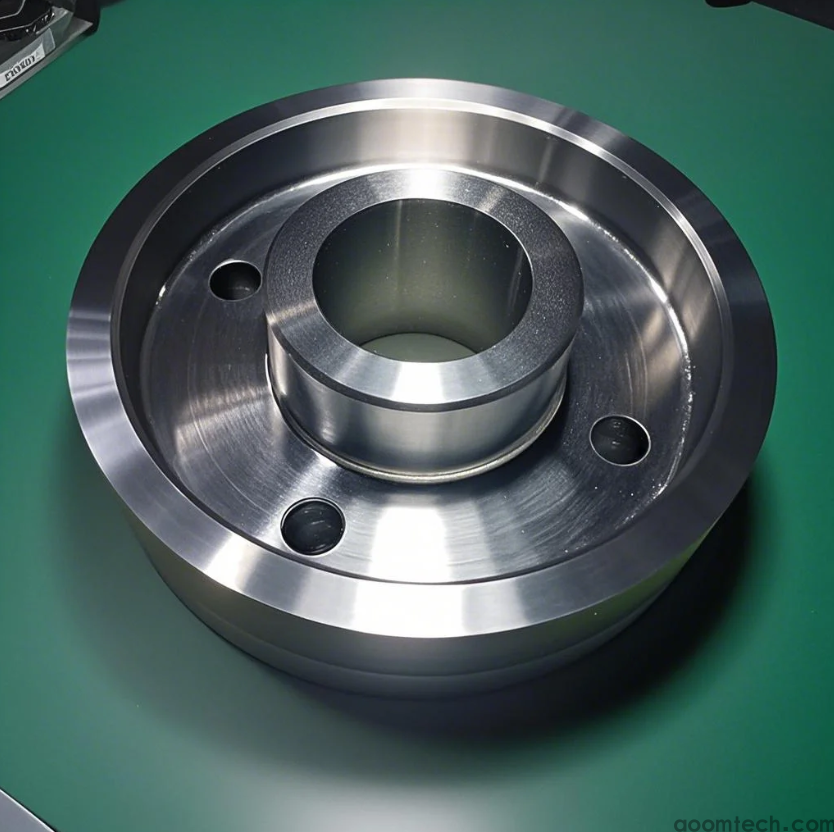
ما هي القضية الأساسية وراء هذا العنوان ؟
في الأساس ، يريد الجميع أن يعرفوا: بأي ترتيب يجب أن نقوم بالمعالجة الحرارية وتصنيع الآلات CNC ، وماذا نفعل عندما تسوء الأمور مع التشوه ؟ إنه مثل السؤال ، هل يجب أن أطبخ شريحة اللحم أولاً ثم أقطعها ، أم العكس ؟ التسلسل مهم ، وكذلك إصلاح الأخطاء.
لماذا يحدث التشوه بعد المعالجة الحرارية وتصنيع الآلات CNC ؟
عندما تقوم بمعالجة المعدن بالحرارة - مثل التبريد أو التقسية - فأنت تقوم بشكل أساسي بالضغط عليه داخليًا. ? بعد ذلك ، عندما تأخذ آلة CNC قطعها ، فقد تطلق هذا الضغط ، مما يتسبب في الالتواء. فكر في الأمر كشخص مرهق ينفجر أخيرًا. نحن نزيل المواد ، مما يغير توازن الجزء. Residual stress is the main culprit here, but the exact way it triggers deformation in every material might need more looking into.
المعالجة الحرارية وتصنيع الآلات CNC: أيهما يأتي أولاً ؟
هذه هي مشكلة الدجاج والبيضة الكلاسيكية في التصنيع. عادة ، تأتي الآلات الخام أولاً ، ثم المعالجة الحرارية ، تليها الانتهاء من التصنيع باستخدام الحاسب الآلي. لماذا ا ؟
• Rough Machining First: Removes bulk material, getting the part close to shape.
• Then Heat Treatment: Enhances hardness or toughness, but might cause slight distortion.
• Finish Machining Last: Cleans up any deformation from heat treatment, ensuring precise dimensions.
But, honestly, sometimes the sequence can flip depending on the material. I've seen cases where heat treatment first works better for some alloys, but that's a whole other debate.
طرق عملية للحد من تشوه الآلات
لذا ، الجزء الخاص بك مشوه. ماذا الآن ؟ لا داعي للذعر! فيما يلي بعض الإصلاحات التي أستخدمها غالبًا:
• Stress Relief Annealing: Heat the part to a lower temperature to relax those internal stresses before final cuts. It's like giving the metal a spa day. ?
• Adjust CNC Parameters: Slow down the cutting speed or use lighter passes. Less aggression means less shock to the stressed material.
• Use Fixtures: Clamp the part securely during machining to resist warping forces.
Although these methods help, the full picture of how every material reacts is still a bit fuzzy in some areas, so trial and error is key.
اختيار عملية المعالجة الحرارية الصحيحة
لا يتم إنشاء جميع المعالجات الحرارية على قدم المساواة. بالنسبة للأجزاء الآلية CNC ، يمكنك اختيار:
• Quenching and Tempering: For high strength and toughness.
• Annealing: To soften the material for easier machining.
• Case Hardening: For a hard surface and tough core.
Match the process to your part's job—like picking the right tool for the job. ? But remember, each choice affects how the CNC machine should handle it later.
المزالق الشائعة وكيفية تفاديها
كثير من الناس يستعجلون العملية ، مما يؤدي إلى أخطاء مكلفة. احترس من:
• Skipping rough machining and going straight to finish cuts after heat treatment.
• Ignoring material-specific guidelines—what works for steel might not for aluminum.
• Overlooking post-machining checks for micro-cracks.
On the flip side, taking it slow and testing samples can save headaches. I always say, measure twice, cut once! ?
من وجهة نظري ، فإن الحصول على المعالجة الحرارية وتصنيع الآلات CNC للعب بشكل جيد هو جزء من الفن ، وجزء من العلم. بينما لدينا قواعد عامة ، فإن كل مشروع يعلم شيئًا جديدًا. نأمل أن يمنحك هذا بداية قوية لمعالجة معضلات التشوه والبلوز المتسلسل!
 كيفية اختيار موثوق التصنيع باستخدام الحاسب الآلي المورد لقطع
الاعتبارات الرئيسية لدقة التصنيع باستخدام الحاسب الآلي الإنت
كيفية منع المواد اللينة من التزييف في التصنيع باستخدام الحاس
كيفية اختيار موثوقة خدمة التصنيع باستخدام الحاسب الآلي: دليل
كيفية اختيار موثوق التصنيع باستخدام الحاسب الآلي المورد لقطع
الاعتبارات الرئيسية لدقة التصنيع باستخدام الحاسب الآلي الإنت
كيفية منع المواد اللينة من التزييف في التصنيع باستخدام الحاس
كيفية اختيار موثوقة خدمة التصنيع باستخدام الحاسب الآلي: دليل