


ما التسامح يمكنك تحقيق مع التصنيع باستخدام الحاسب الآلي بار ؟ دليل عملي
يا هناك ، زميل المهندسين وإيجابيات المشتريات! ? وجدت نفسك من أي وقت مضى يحدق في الرسم الفني ، ويتساءل عما إذا كان لديك شريط نك المورد بالقطع يمكن actually hit those tiny tolerance numbers? You're not alone. I've been in those meetings where everyone nods, but deep down, there's that nagging question: "What's realistically achievable?" Let's cut through the marketing fluff and talk real numbers. ?
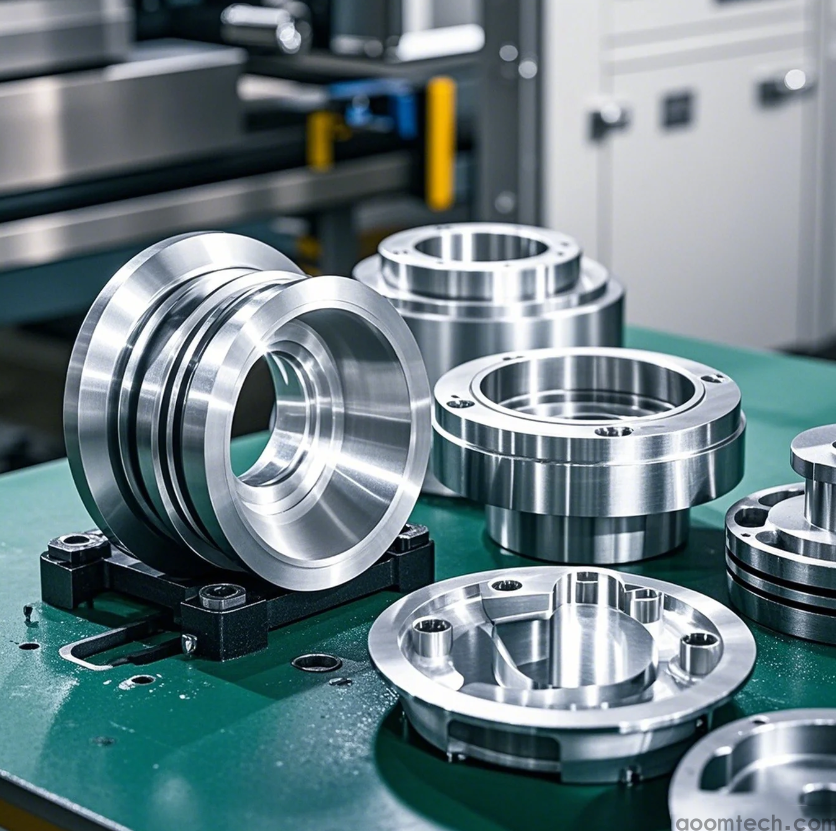
إذن ، ما هي الصفقة الحقيقية مع دقة تصنيع شريط CNC ؟
أول الأشياء أولاً ، دعنا نجيب على السؤال الكبير. بالنسبة لمعظم وظائف تصنيع قضبان CNC القياسية ، يمكنك أن تتوقع عمومًا تحمل التفاوتات حولها ±.025 mm to ±.05 mm (±.001" to ±.002"). That's about the thickness of a human hair! But—and this is a big but—this isn't a guarantee for every single part. It depends on a whole bunch of factors that we'll dig into next. I've seen shops consistently hit these numbers on aluminum and brass, but when it comes to some tricky plastics or super-alloys, the story can change.
ما هي العوامل في الواقع فوضى مع دقة الآلات الخاصة بك ؟
لا يتعلق الأمر بالآلة فقط. فيما يلي المشتبه بهم المعتادون الذين يمكنهم تحقيق أهداف التسامح الخاصة بك أو كسرها:
✅ The Material Itself: Some materials are just easier to work with. Aluminum is pretty forgiving and stable, making it a dream for tight tolerances. But something like stainless steel? It can be a bit of a diva, moving around with heat and stress. The exact way different alloys behave under the cutting tool is something I'm still wrapping my head around.
✅ Machine Condition and Age: A brand-new, high-end Swiss-type lathe is a precision beast. An older, worn-out machine might struggle. It's that simple.
✅ The Length of the Part: This is a big one that often gets overlooked. Trying to hold a tight tolerance on a long, skinny bar? That's much harder than on a short, stubby part. Vibration and deflection become your enemies.
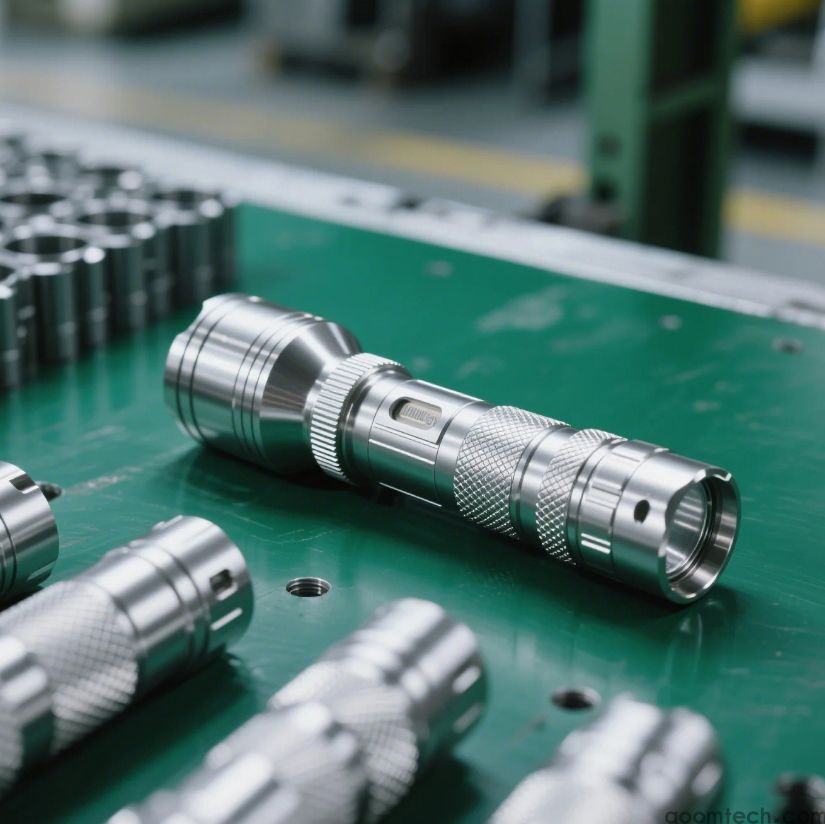
كيف يمكنك مساعدة المورد الخاص بك ضرب تلك التحمل تشديد ؟
صدق أو لا تصدق ، لديك دور تلعبه أيضًا! إليك كيفية إعداد مشروعك للنجاح:
? Be Smart with Your Tolerances: Don't just call out super tight tolerances everywhere on the drawing. I always ask my team, "Does this surface really need to be that precise?" Only apply tight tolerances to critical features. This saves cost and headache.
? Talk to Your Machinist Early: Get their input during the design phase. They might suggest a small change that makes the part much easier and cheaper to machine accurately.
? Choose the Right Material: If high precision is your goal, maybe an aluminum grade is a better bet than that specific stainless steel you had in mind. Discuss the options.
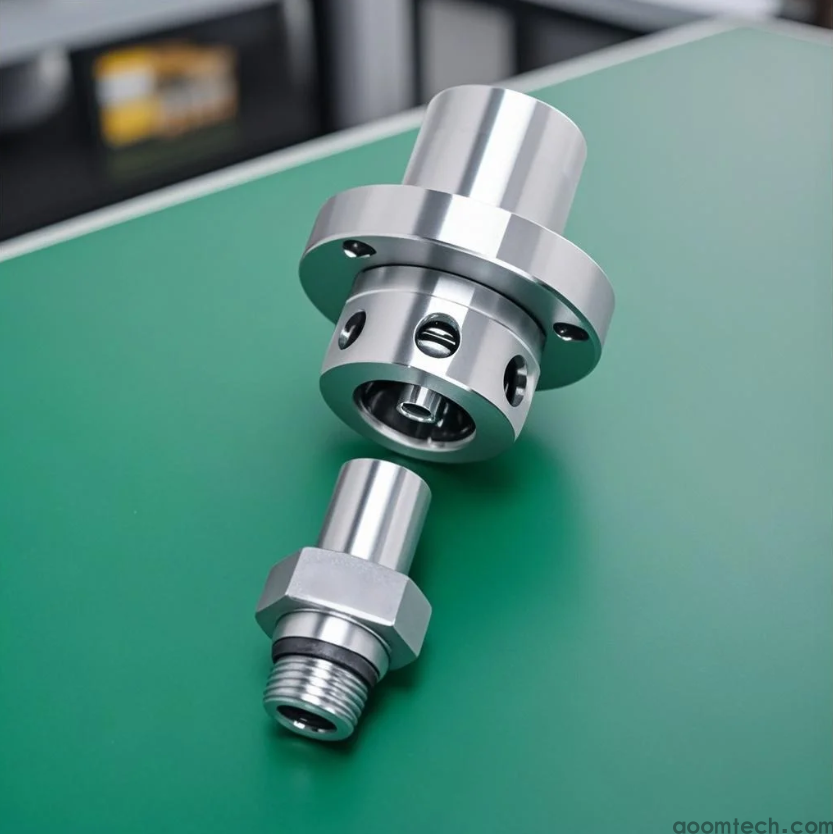
هل "المزيد من الدقة" هو الإجابة الصحيحة دائمًا ؟
إليكم سنتي ، من رؤية مئات المشاريع. غالبًا ما تكون مطاردة أقصى قدر ممكن من التسامح بمثابة فخ. ? التكلفة لا تزيد خطيًا ؛ ترتفع مثل عصا الهوكي. قد تؤدي الدقة الأخيرة 0.01 مم إلى مضاعفة تكلفة الجزء الخاص بك. عليك أن تسأل: What does the function of the part actually require? Sometimes, "good enough" is not just good enough—it's the smartest business decision. Perfection can be the enemy of profitability.
ومع ذلك ، بالنسبة للمكونات الحيوية في الفضاء أو الأجهزة الطبية ، فإن هذه الدقة القصوى غير قابلة للتفاوض. ولكن بالنسبة للكثير من التطبيقات العامة ، ربما يكون الأمر مبالغة. المهارة الحقيقية هي معرفة الفرق.
من تجربتي ، تأتي أفضل النتائج من الشراكة. لا يتعلق الأمر فقط بدفع المورد للحصول على أقل سعر وأعلى دقة. يتعلق الأمر بالتواصل الواضح والتوقعات الواقعية وفهم المفاضلات. لقد اكتشفت أن كونك صريحًا بشأن ميزانيتك واحتياجات الأداء يؤدي إلى عملية أكثر سلاسة ومنتج نهائي أفضل. ? مجرد شيء يجب التفكير فيه لمشروعك التالي.
 كيفية اختيار موثوق التصنيع باستخدام الحاسب الآلي المورد لقطع
الاعتبارات الرئيسية لدقة التصنيع باستخدام الحاسب الآلي الإنت
كيفية منع المواد اللينة من التزييف في التصنيع باستخدام الحاس
كيفية اختيار موثوقة خدمة التصنيع باستخدام الحاسب الآلي: دليل
كيفية اختيار موثوق التصنيع باستخدام الحاسب الآلي المورد لقطع
الاعتبارات الرئيسية لدقة التصنيع باستخدام الحاسب الآلي الإنت
كيفية منع المواد اللينة من التزييف في التصنيع باستخدام الحاس
كيفية اختيار موثوقة خدمة التصنيع باستخدام الحاسب الآلي: دليل