


Jak přesné může být CNC obrábění? Praktický průvodce pro kupující
Už jste někdy obdrželi dávku dílů, které prostě... nesedí? ? Ten pocit potápění, když se váš projekt zdržuje, protože komponenty jsou vlasy off-spec. Pokud jste manažer nákupu nebo inženýr, víte, že přesnost není jen hezké mít; je to základ funkčního produktu. Takže, když jste sourcing CNC high-precision parts, the burning question is: just how accurate can this process really get? Let's cut through the marketing fluff and talk real numbers and practical realities.
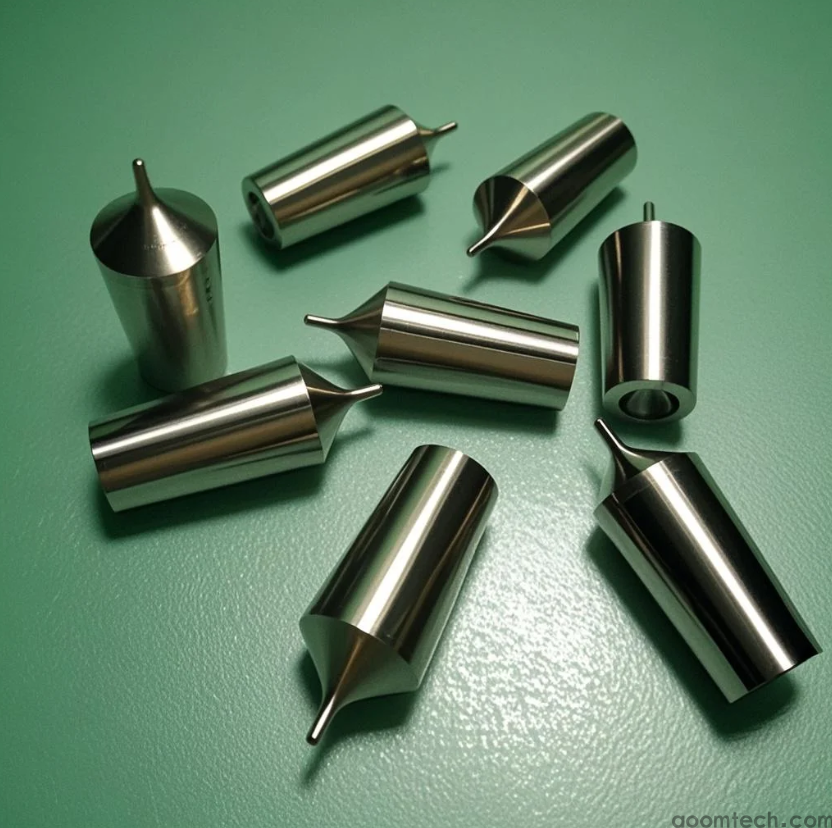
Co znamená "přesnost" v CNC obrábění?
Za prvé, je snadné se zamotat do pojmů. Lidé často používají "přesnost" a "přesnost", jako by to byla stejná věc, ale je tu klíčový rozdíl. Přemýšlejte o tom takto: Accuracy is about hitting the bullseye. If you aim for a dimension of 25.000 mm, an accurate machine will get you very close to that. Precision, on the other hand, is about doing it consistently. If you shoot ten arrows and they all land in the same spot—even if it's not the bullseye—that's precision. For CNC high-precision parts, we need both. We need to hit the target dimension and do it over and over, part after part.
Jaké jsou reálné tolerance, které můžeme očekávat?
Dobře, pojďme k jádru věci. CNC machining services, a common tolerance to expect is around ±.005 inches or ±.125 millimeters. That's pretty good for a vast majority of applications. But when we talk about high-precision CNC work, things get tighter. It's not uncommon to achieve tolerances of ±.0005 inches (±.0127 mm) or even tighter under controlled conditions.
Je však velmi důležité vědět, že to není magické číslo. Skutečná dosažitelná tolerance závisí do značné míry na spoustě faktorů. Typ materiálu, velikost dílu, konkrétní funkce, která je opracovávána, a dokonce i teplota v dílně může hrát roli. Takže zatímco tato ultra-těsná čísla jsou možná, nemusí být možné pro vaši konkrétní geometrii dílu.
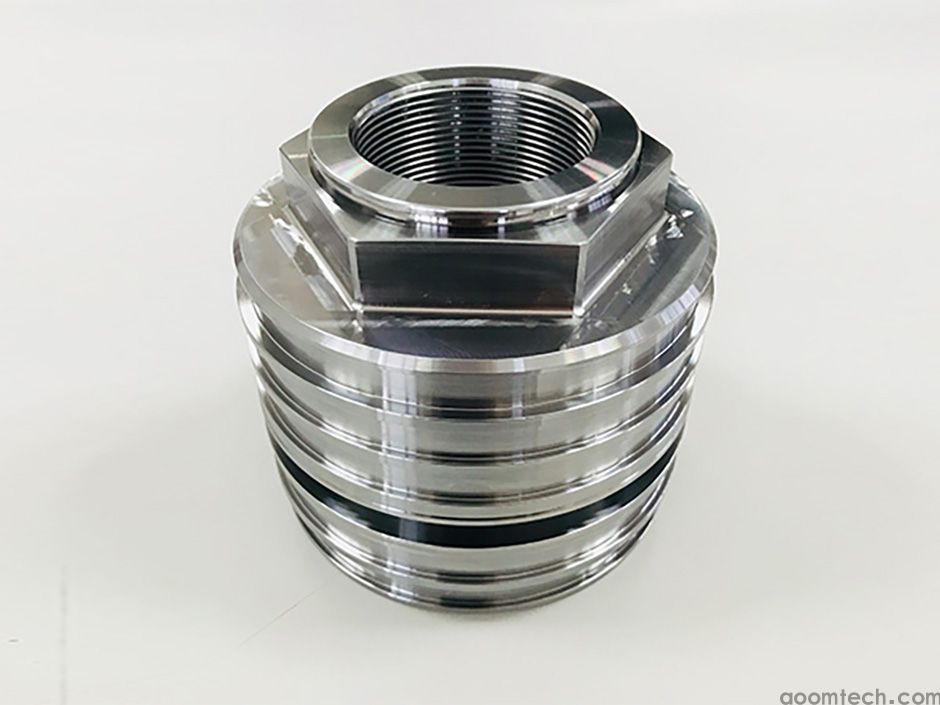
Jaké faktory ovlivňují vaši CNC přesnost?
Nemůžete si jen objednat díl a doufat v to nejlepší. Vědět, co ovlivňuje přesnost, vám pomůže mít chytřejší rozhovor s vaším dodavatelem. Zde jsou ty velké:
- ?️ The Machine Itself: An older, worn-out machine will naturally have more play and vibration than a well-maintained, modern one.
- ?️ Thermal Expansion: This is a huge one that's often overlooked. Metal expands when it gets hot. The heat from the cutting process itself can cause the part to grow, throwing dimensions off. Good shops have climate control and even use coolant to manage this.
- ? Tooling and Fixturing: A dull cutting tool or a part that isn't clamped down securely will definitely hurt your precision. It seems basic, but it's where many errors start.
Ale, a to je velký, specifický mechanismus toho, jak moc každý faktor přispívá k danému materiálu, může být složitou hádankou, kterou diskutují i odborníci. Přesná souhra mezi cestou nástroje, rychlostí vřetena a tvrdostí materiálu se někdy cítí spíše jako umění než věda.
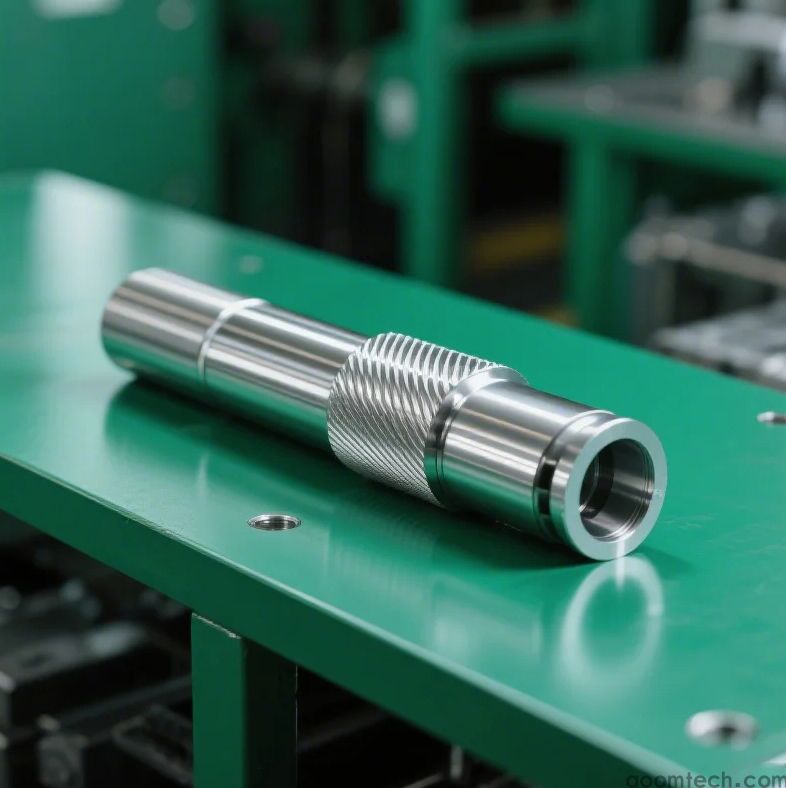
Jak můžete jako kupující zajistit, abyste získali přesné díly?
Tohle je ta část, na které opravdu záleží, že? Nejde jen o to znát čísla; jde o to, abyste získali dobré části na přijímacím doku. Zde je to, co můžete udělat:
- ? Communicate Clearly (and Early!): Don't just put a tolerance on every single dimension on your drawing. That drives cost up. Identify the critical features that must be ultra-precise and call those out specifically. For non-critical areas, let them use a standard tolerance.
- ? Choose the Right Partner: Look for a machine shop that talks to you about these factors. If they ask about the part's function and discuss potential challenges, that's a great sign. If they just say "yes, we can do anything," be cautious.
- ? Ask About Their Process: Inquire about their quality control. Do they use first-article inspection? Do they have CMMs (Coordinate Measuring Machines) to verify complex parts? Their answers will tell you a lot.
Z vlastní zkušenosti jsem zjistil, že obchody, které jsou nejvíce transparentní o challenges of holding a tight tolerance are often the ones most capable of delivering on it. They're the ones thinking about the problem, not just running the machine.
Je pevnější vždy lepší? Závěrečná myšlenka
Je lákavé specifikovat nejpřísnější možnou toleranci a myslet si, že to zaručuje lepší část. unnecessarily tight tolerances can be a trap. They skyrocket your costs, increase production time, and can even lead to more scrap if the process isn't perfectly stable. The real goal is to define the widest acceptable tolerance that still allows your product to function flawlessly. This balance is the key to cost-effective and reliable high-precision part sourcing. Achieving that perfect balance between cost and performance, now that's the real art of manufacturing.
 Jak vypočítat náklady na CNC obrábění
Jak zajistit přesnost v CNC obráběných dílech
Malá dávka Přesné díly CNC obrábění Výrobce
Jaké faktory ovlivňují CNC obrábění?
Jak vypočítat náklady na CNC obrábění
Jak zajistit přesnost v CNC obráběných dílech
Malá dávka Přesné díly CNC obrábění Výrobce
Jaké faktory ovlivňují CNC obrábění?