


Jaké tolerance můžete dosáhnout s CNC obráběním? Praktický průvodce
Ahoj, kolegové inženýři a profesionálové v oblasti nákupu! ? Už jste se někdy přistihli, že zíráte na technický výkres a přemýšlíte, zda váš dodavatel CNC obrábění může actually hit those tiny tolerance numbers? You're not alone. I've been in those meetings where everyone nods, but deep down, there's that nagging question: "What's realistically achievable?" Let's cut through the marketing fluff and talk real numbers. ?
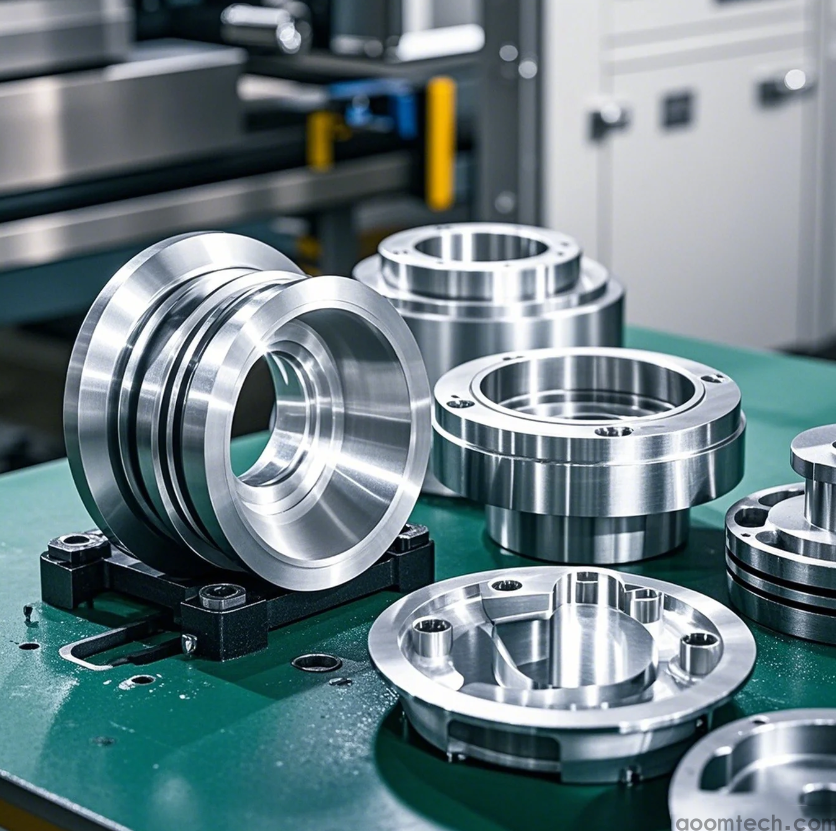
Takže, jaký je skutečný problém s CNC Bar obrábění Přesnost?
První věci nejprve, pojďme odpovědět na velkou otázku. Pro většinu standardních CNC obráběcích prací, můžete obecně očekávat, že držet tolerance kolem ±.025 mm to ±.05 mm (±.001" to ±.002"). That's about the thickness of a human hair! But—and this is a big but—this isn't a guarantee for every single part. It depends on a whole bunch of factors that we'll dig into next. I've seen shops consistently hit these numbers on aluminum and brass, but when it comes to some tricky plastics or super-alloys, the story can change.
Jaké faktory skutečně ovlivňují vaši přesnost obrábění?
Nikdy to není jen o stroji. Zde jsou obvyklé podezřelé, které mohou dělat nebo porušovat vaše cíle tolerance:
✅ The Material Itself: Some materials are just easier to work with. Aluminum is pretty forgiving and stable, making it a dream for tight tolerances. But something like stainless steel? It can be a bit of a diva, moving around with heat and stress. The exact way different alloys behave under the cutting tool is something I'm still wrapping my head around.
✅ Machine Condition and Age: A brand-new, high-end Swiss-type lathe is a precision beast. An older, worn-out machine might struggle. It's that simple.
✅ The Length of the Part: This is a big one that often gets overlooked. Trying to hold a tight tolerance on a long, skinny bar? That's much harder than on a short, stubby part. Vibration and deflection become your enemies.
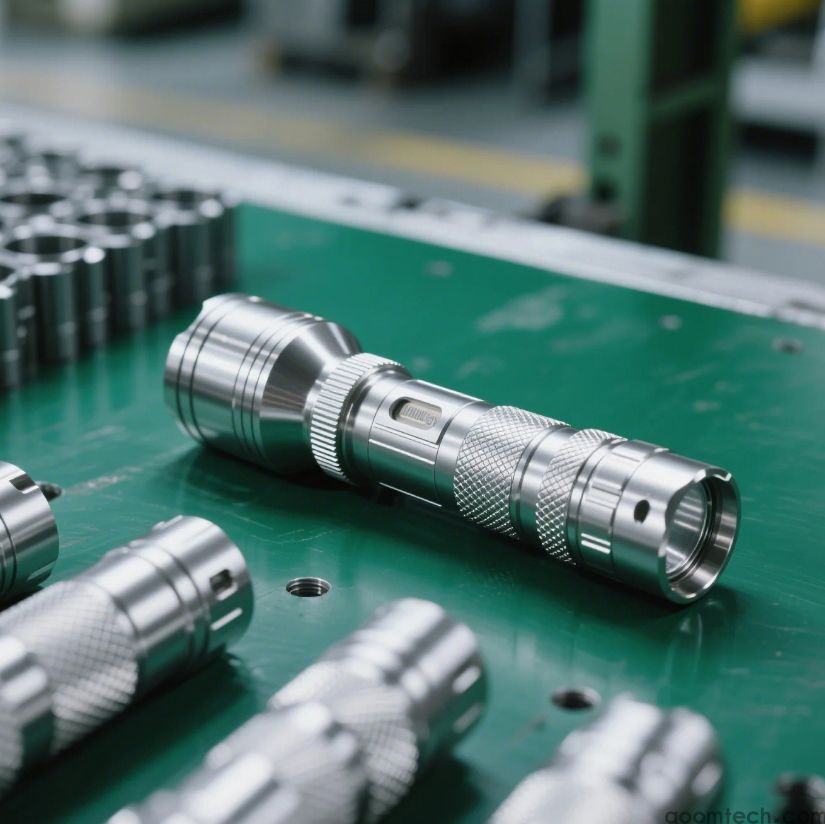
Jak můžete pomoci svému dodavateli dosáhnout těchto přísnějších tolerancí?
Věřte tomu nebo ne, máte také svou roli! Zde je návod, jak můžete nastavit svůj projekt pro úspěch:
? Be Smart with Your Tolerances: Don't just call out super tight tolerances everywhere on the drawing. I always ask my team, "Does this surface really need to be that precise?" Only apply tight tolerances to critical features. This saves cost and headache.
? Talk to Your Machinist Early: Get their input during the design phase. They might suggest a small change that makes the part much easier and cheaper to machine accurately.
? Choose the Right Material: If high precision is your goal, maybe an aluminum grade is a better bet than that specific stainless steel you had in mind. Discuss the options.
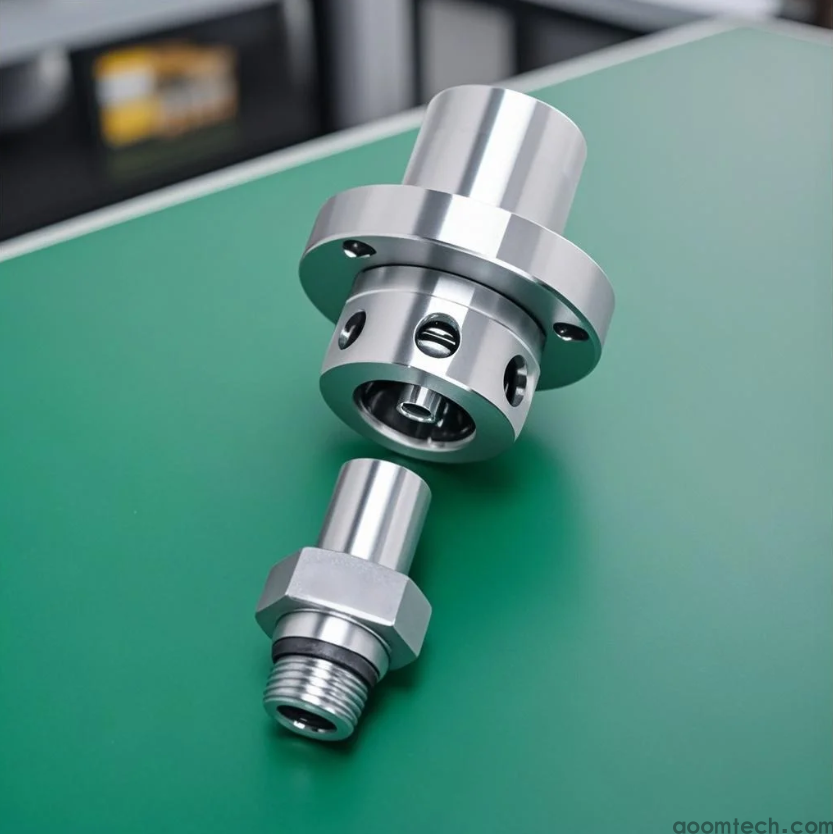
Je "přesnější" vždy správná odpověď?
Zde jsou mé dva centy, z toho, že jsem viděl stovky projektů. Honba za absolutní nejpřísnější možnou tolerancí je často past. ? Náklady se nezvyšují lineárně; jdou nahoru jako hokejka. Ta poslední 0,01 mm přesnost může zdvojnásobit vaše náklady na díl. Musíte se zeptat: What does the function of the part actually require? Sometimes, "good enough" is not just good enough—it's the smartest business decision. Perfection can be the enemy of profitability.
To znamená, že pro kritické komponenty v letectví nebo zdravotnických zařízeních, že extrémní přesnost je nediskutovatelná. Ale pro mnoho obecných aplikací, možná je to přehnané. Skutečná dovednost je v poznání rozdílu.
Z mých zkušeností, nejlepší výsledky pocházejí z partnerství. Není to jen o tlačení dodavatele za nejnižší cenu a nejvyšší přesnost. Je to o jasné komunikaci, realistická očekávání a pochopení kompromisů. Zjistil jsem, že být předem o vašem rozpočtu a výkonnostních potřebách vede k mnohem plynulejšímu procesu a lepšímu finálnímu produktu. ? Jen něco, o čem přemýšlet pro váš další projekt.
 Jak vypočítat náklady na CNC obrábění
Jak zajistit přesnost v CNC obráběných dílech
Malá dávka Přesné díly CNC obrábění Výrobce
Jaké faktory ovlivňují CNC obrábění?
Jak vypočítat náklady na CNC obrábění
Jak zajistit přesnost v CNC obráběných dílech
Malá dávka Přesné díly CNC obrábění Výrobce
Jaké faktory ovlivňují CNC obrábění?