


Beste Materialien für die CNC-Bearbeitung von Antriebswellen: Eine praktische Anleitung
Hallo, liebe Ingenieurkollegen und Beschaffungsprofis! ? Sie schon einmal in einer Besprechung festsitzen und über die best material for a CNC machined drive shaft? You know the drill – one team argues for strength, another for cost, and you're left wondering if there's a perfect answer. The truth is, picking the wrong material can lead to premature failure, costly downtime, and a whole lot of headaches. So, let's cut through the noise and figure this out together. What exactly should you be looking for?
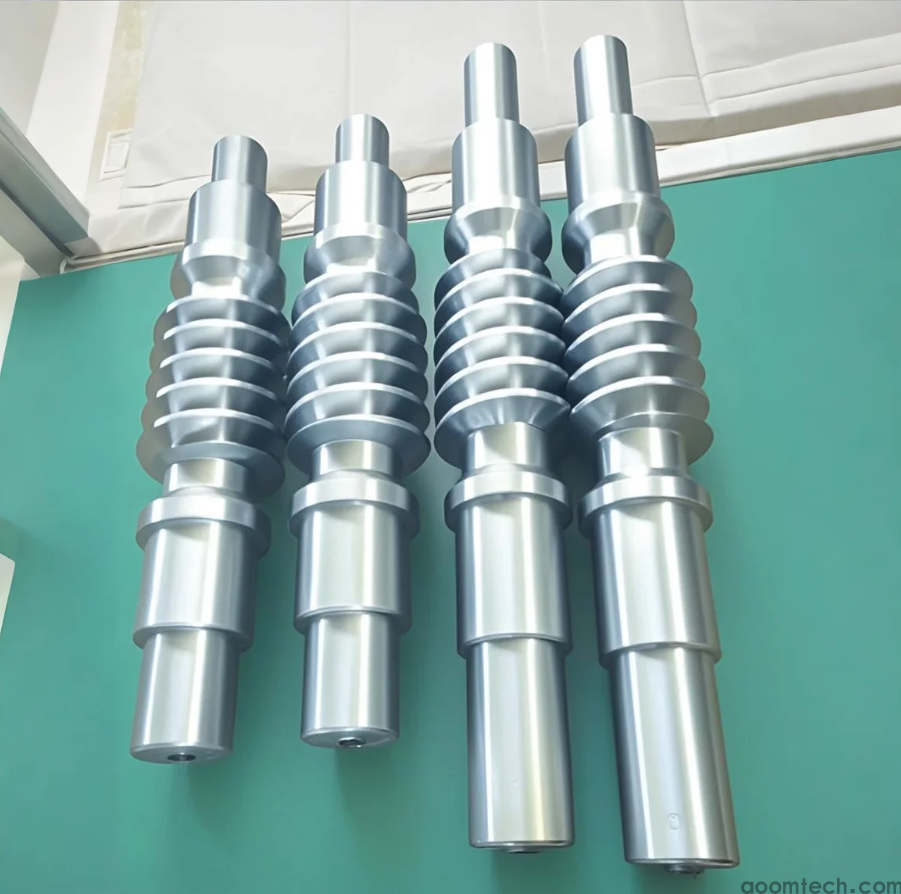
Was ist die große Sache mit den Materialien für Antriebswellen überhaupt?
Betrachten Sie die Antriebswelle als das Rückgrat Ihres Antriebssystems. Sie muss robust, aber nicht spröde sein; verschleißfest, aber oft leicht. Die Kernfrage, die wir uns stellen, ist: CNC加工传动轴用什么材料好? Or in English, what materials are best? The short answer is: it wildly depends on your application. There's no one-size-fits-all, but some materials are superstar performers for most jobs. We'll dive into those now.
Top-Anwärter: Legierter Stahl (wie 414 oder 434)
Wenn wir über ein Arbeitspferd sprechen, dann ist es legierter Stahl. Ich sehe das benutzt all the time.
Warum es großartig ist:
• Super strong and tough: It handles high torque and shock loads like a champion.
• Great wear resistance: It lasts a long time, even in tough conditions.
• Cost-effective: Generally offers a good balance of performance and price.
Achten Sie auf:
• Es ist schwer, daher nicht ideal für Anwendungen, bei denen das Gewicht ein großes Problem darstellt (wie Luft- und Raumfahrt).
• It can rust if not properly coated or treated.
Meine Meinung? Für die meisten Industriemaschinen, Schwermaschinen und Automobilanwendungen, alloy steel is the default starting point. It's a safe, reliable bet. The specific heat treatment process, however, can drastically change its properties, and that's an area where the exact science can get pretty complex.
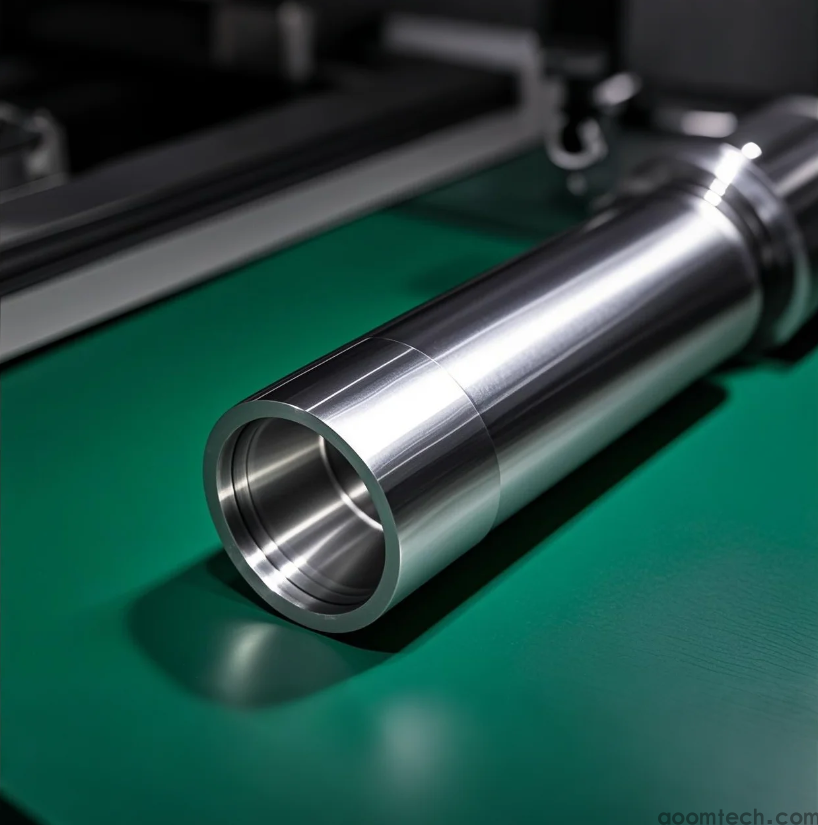
Der Leichtgewichts-Champion: Aluminium (wie 6061 oder 7075)
Sie brauchen etwas Leichtes und Schnelles zum Bearbeiten? Aluminium ist Ihr Freund.
Warum es großartig ist:
• Super lightweight: Crucial for drones, racing vehicles, and high-speed spindles.
• Good strength-to-weight ratio: 7075 aluminum, for instance, has strength close to some steels.
• Corrosion resistant: It forms a protective oxide layer naturally.
Achten Sie auf:
• Nicht so stark wie Stahl, daher nicht für Anwendungen mit hohem Drehmoment und hoher Beanspruchung geeignet.
• It can fatigue over time under repeated stress.
Ich verwende oft Aluminium-Prototypen, weil sie schnell zu bearbeiten und einfach zu testen sind. Aber für ein Endprodukt, das eine Menge einstecken muss, müssen Sie sich vielleicht woanders umsehen.
Der Korrosionsbekämpfer: Edelstahl (wie 304 oder 316)
Arbeiten in einer nassen oder chemischen Umgebung? Rostfreier Stahl steigt auf.
Warum es großartig ist:
• Excellent corrosion resistance: Perfect for food processing, marine, or chemical industries.
• Good strength and hardness: It's certainly no slouch in the performance department.
Achten Sie auf:
• More expensive than alloy steels.
• It can be a bit gummy and tougher on cutting tools during the CNC machining process.
Während Edelstahl fantastisch ist, um Rost zu widerstehen, ist der Mechanismus hinter seiner Passivierungsschicht etwas, das ich nicht vollständig erklären kann. Es funktioniert einfach! ? Apropos Dinge, die funktionieren, es gibt noch eine andere Option, die ziemlich brillant ist.
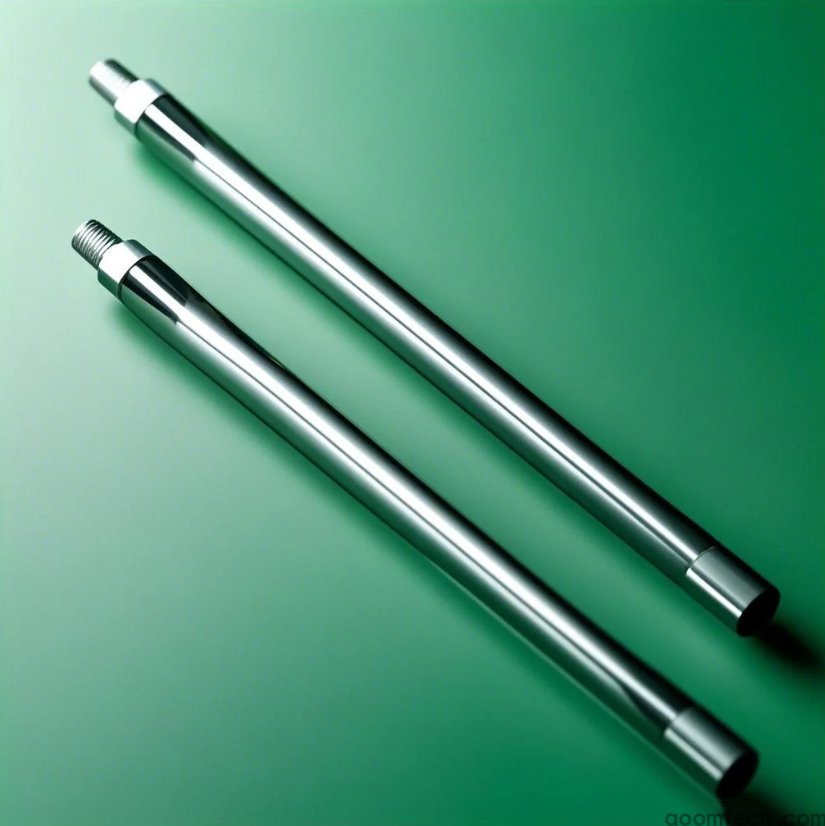
Der Spezialist: Titan (wie Grad 5 oder Ti-6Al-4V)
Wenn Sie das ultimative brauchen combination of strength, lightness, and corrosion resistance, titanium is the answer. But it comes at a price.
Warum es großartig ist:
• Unglaubliches Verhältnis von Festigkeit zu Gewicht.
• Biokompatibel und hoch korrosionsbeständig.
Achten Sie auf:
• Very high cost for both material and machining.
• Challenging to machine, requiring specialized tools and expertise.
Sie finden dies in der Luft- und Raumfahrt der Spitzenklasse, bei medizinischen Implantaten und im Hochleistungssport. Perhaps it's not an overstatement to say that for the most demanding applications, titanium is unbeatable. But for the other 95% of projects, the previous options are more than enough.
Also, wie wählt man eigentlich?
Wählen Sie nicht nur das "beste" Material aus. Wählen Sie die right one. Ask yourself these questions:
• What are the torque and load requirements? (This points you to strength needs)
• Is weight a critical factor? (This decides the strength-to-weight ratio focus)
• What environment will it operate in? (Wet, dry, chemical? This dictates corrosion resistance)
• What's the budget? (This is the reality check!)
Meiner Erfahrung nach ist ein gut ausgewählter alloy steel often provides the best value for general engineering. However, the rise of compact, high-performance robotics is pushing more designers towards advanced aluminum alloys and even composites, though that's a topic for another day. The landscape of available materials is always shifting, and what was ideal a decade ago might be surpassed by something new tomorrow.
 Was Faktoren beeinflussen das Angebot für CNC-Bearbeitung?
Wie garantiert eine hochpräzise CNC-Bearbeitungsfabrik eine
Wie wird der Preis für nicht standardmäßige CNC-Bearbeitungs
So berechnen Sie die Kosten für die CNC-Bearbeitung
Was Faktoren beeinflussen das Angebot für CNC-Bearbeitung?
Wie garantiert eine hochpräzise CNC-Bearbeitungsfabrik eine
Wie wird der Preis für nicht standardmäßige CNC-Bearbeitungs
So berechnen Sie die Kosten für die CNC-Bearbeitung