


Wie genau kann die CNC-Bearbeitung sein? Ein praktischer Leitfaden für Käufer
Haben Sie schon einmal eine Charge von Teilen erhalten, die einfach... nicht gepasst haben? ? Dieses mulmige Gefühl, wenn Ihr Projekt aufgehalten wird, weil die Komponenten ein Haar von der Spezifikation entfernt sind. Wenn Sie ein Beschaffungsleiter oder ein Ingenieur sind, wissen Sie, dass Präzision nicht nur ein Nice-to-have ist, sondern die Grundlage für ein funktionales Produkt. Wenn Sie also ein Produkt beschaffen CNC high-precision parts, the burning question is: just how accurate can this process really get? Let's cut through the marketing fluff and talk real numbers and practical realities.
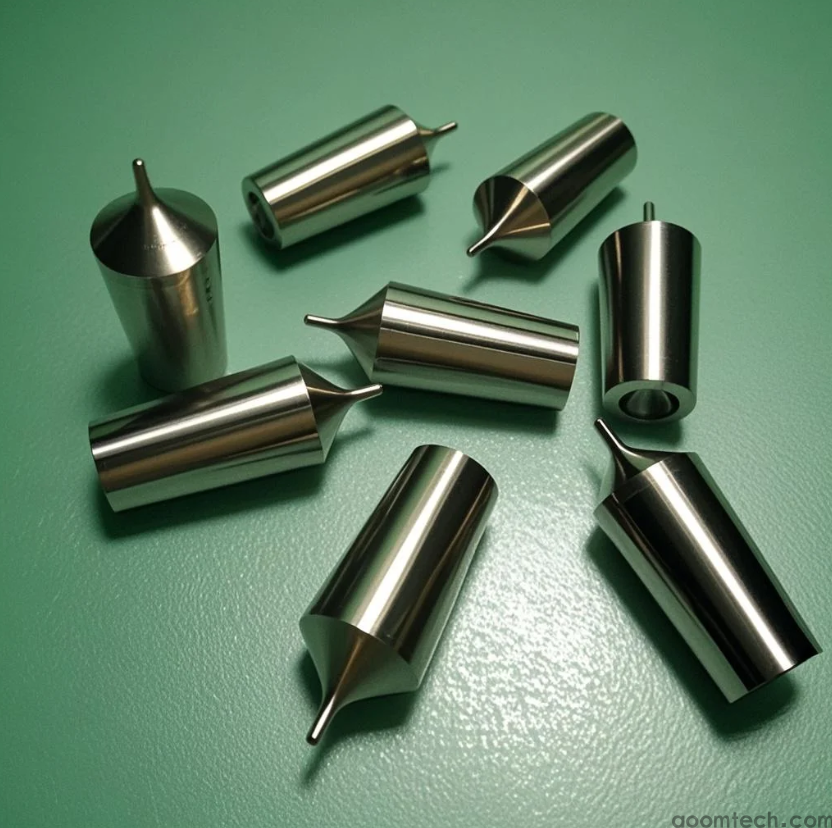
Was bedeutet "Genauigkeit" bei der CNC-Bearbeitung überhaupt?
Zunächst einmal ist es leicht, sich in Begriffen zu verheddern. Die Leute verwenden oft "Genauigkeit" und "Präzision", als wären sie dasselbe, aber es gibt einen entscheidenden Unterschied. Betrachten Sie es so: Accuracy is about hitting the bullseye. If you aim for a dimension of 25.000 mm, an accurate machine will get you very close to that. Precision, on the other hand, is about doing it consistently. If you shoot ten arrows and they all land in the same spot—even if it's not the bullseye—that's precision. For CNC high-precision parts, we need both. We need to hit the target dimension and do it over and over, part after part.
Was sind also die realen Toleranzen, die wir erwarten können?
Also gut, kommen wir zum Kern der Sache. Für die meisten Standard CNC machining services, a common tolerance to expect is around ±.005 inches or ±.125 millimeters. That's pretty good for a vast majority of applications. But when we talk about high-precision CNC work, things get tighter. It's not uncommon to achieve tolerances of ±.0005 inches (±.0127 mm) or even tighter under controlled conditions.
Es ist jedoch sehr wichtig zu wissen, dass dies keine magische Zahl ist. Die tatsächlich erreichbare Toleranz hängt stark von einer Reihe von Faktoren ab. Die Art des Materials, die Größe des Teils, das zu bearbeitende Merkmal und sogar die Temperatur in der Werkstatt können eine Rolle spielen. Während diese ultraengen Zahlen also möglich sind, sind sie für Ihre spezifische Teilegeometrie möglicherweise nicht möglich.
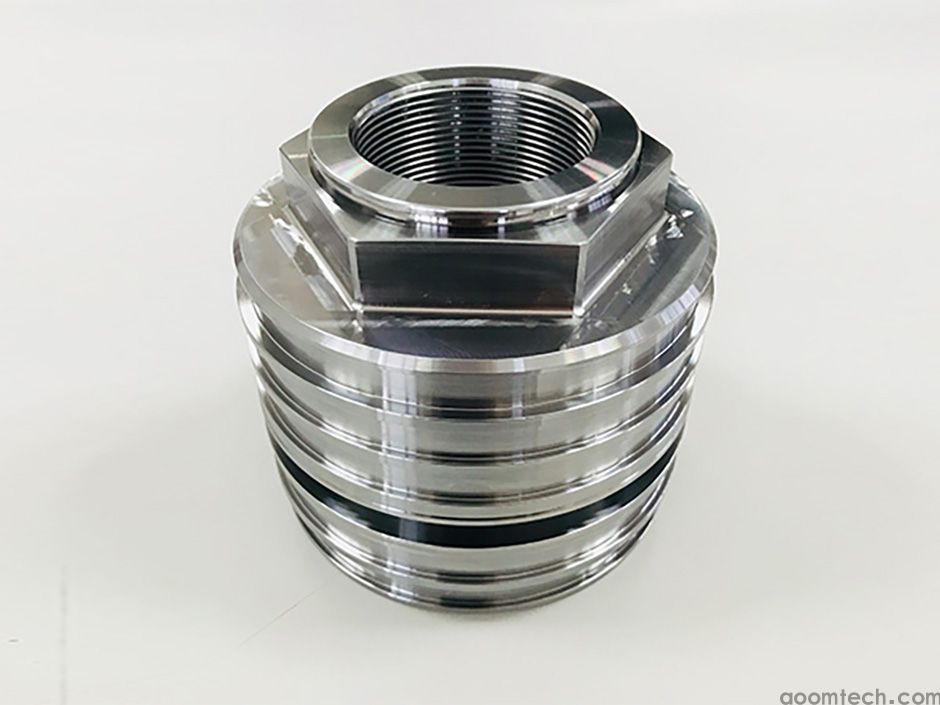
Was Faktoren beeinträchtigen Ihre CNC-Genauigkeit?
Man kann nicht einfach ein Teil bestellen und auf das Beste hoffen. Das Wissen was die Genauigkeit beeinflusst, hilft Ihnen, ein klügeres Gespräch mit Ihrem Lieferanten zu führen. Hier sind die wichtigsten:
- ?️ The Machine Itself: An older, worn-out machine will naturally have more play and vibration than a well-maintained, modern one.
- ?️ Thermal Expansion: This is a huge one that's often overlooked. Metal expands when it gets hot. The heat from the cutting process itself can cause the part to grow, throwing dimensions off. Good shops have climate control and even use coolant to manage this.
- ? Tooling and Fixturing: A dull cutting tool or a part that isn't clamped down securely will definitely hurt your precision. It seems basic, but it's where many errors start.
Der spezifische Mechanismus, wie viel jeder Faktor für ein bestimmtes Material beiträgt, kann jedoch ein komplexes Rätsel sein, über das selbst Experten diskutieren. Das genaue Zusammenspiel von Werkzeugbahn, Spindeldrehzahl und Materialhärte fühlt sich manchmal eher wie eine Kunst als eine Wissenschaft an.
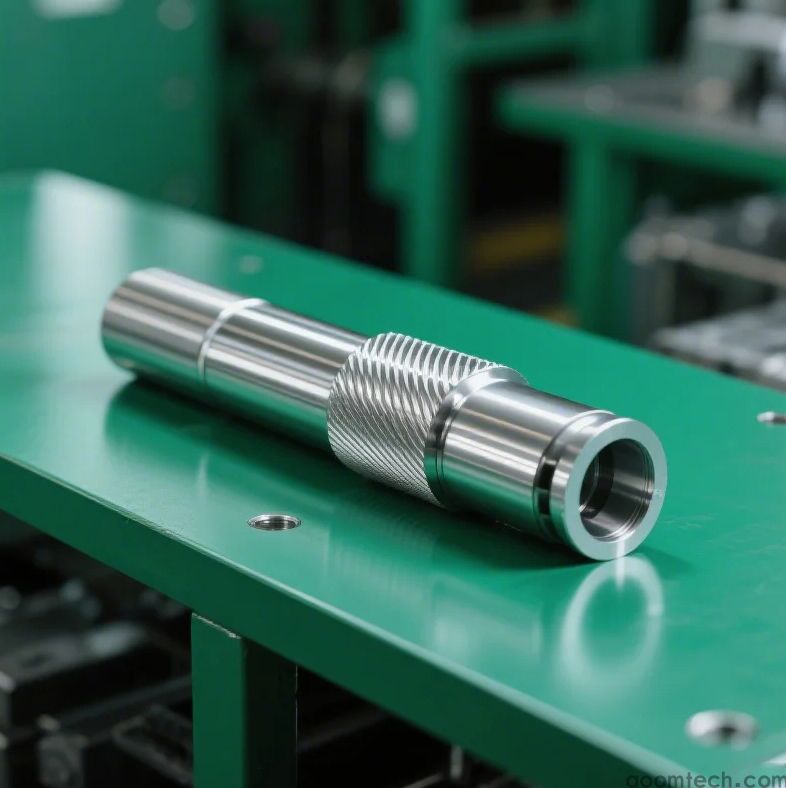
Wie können Sie als Käufer sicherstellen, dass Sie genaue Teile erhalten?
Das ist der Teil, auf den es wirklich ankommt, oder? Es geht nicht nur darum, die Zahlen zu kennen; es geht darum, gute Teile auf Ihr Empfangsdock zu bekommen. Hier ist was Sie tun können:
- ? Communicate Clearly (and Early!): Don't just put a tolerance on every single dimension on your drawing. That drives cost up. Identify the critical features that must be ultra-precise and call those out specifically. For non-critical areas, let them use a standard tolerance.
- ? Choose the Right Partner: Look for a machine shop that talks to you about these factors. If they ask about the part's function and discuss potential challenges, that's a great sign. If they just say "yes, we can do anything," be cautious.
- ? Ask About Their Process: Inquire about their quality control. Do they use first-article inspection? Do they have CMMs (Coordinate Measuring Machines) to verify complex parts? Their answers will tell you a lot.
Aus eigener Erfahrung habe ich festgestellt, dass die Geschäfte, die am transparentesten über die challenges of holding a tight tolerance are often the ones most capable of delivering on it. They're the ones thinking about the problem, not just running the machine.
Ist enger immer besser? Ein letzter Gedanke
Es ist verlockend, die engstmögliche Toleranz anzugeben, weil man denkt, dass sie einen besseren Teil garantiert. Aber hier ist die Insider-Meinung: unnecessarily tight tolerances can be a trap. They skyrocket your costs, increase production time, and can even lead to more scrap if the process isn't perfectly stable. The real goal is to define the widest acceptable tolerance that still allows your product to function flawlessly. This balance is the key to cost-effective and reliable high-precision part sourcing. Achieving that perfect balance between cost and performance, now that's the real art of manufacturing.
 Was Faktoren beeinflussen das Angebot für CNC-Bearbeitung?
Wie garantiert eine hochpräzise CNC-Bearbeitungsfabrik eine
Wie wird der Preis für nicht standardmäßige CNC-Bearbeitungs
So berechnen Sie die Kosten für die CNC-Bearbeitung
Was Faktoren beeinflussen das Angebot für CNC-Bearbeitung?
Wie garantiert eine hochpräzise CNC-Bearbeitungsfabrik eine
Wie wird der Preis für nicht standardmäßige CNC-Bearbeitungs
So berechnen Sie die Kosten für die CNC-Bearbeitung