


Wie man einen Lieferanten für die CNC-Bearbeitung von Kupferteilen auswählt
Es ist einfach, eine Werkstatt zu finden, die sagt, dass sie Kupfer bearbeiten kann. But finding the *right* partner who truly understands the quirks of copper and can deliver consistent, precision results? That's where the real challenge begins. ? If you're a procurement manager or an engineer tired of dealing with surface scratches, poor tolerances, or unreliable delivery on your copper components, you're asking the perfect question. Let's break down this selection process, step by step.
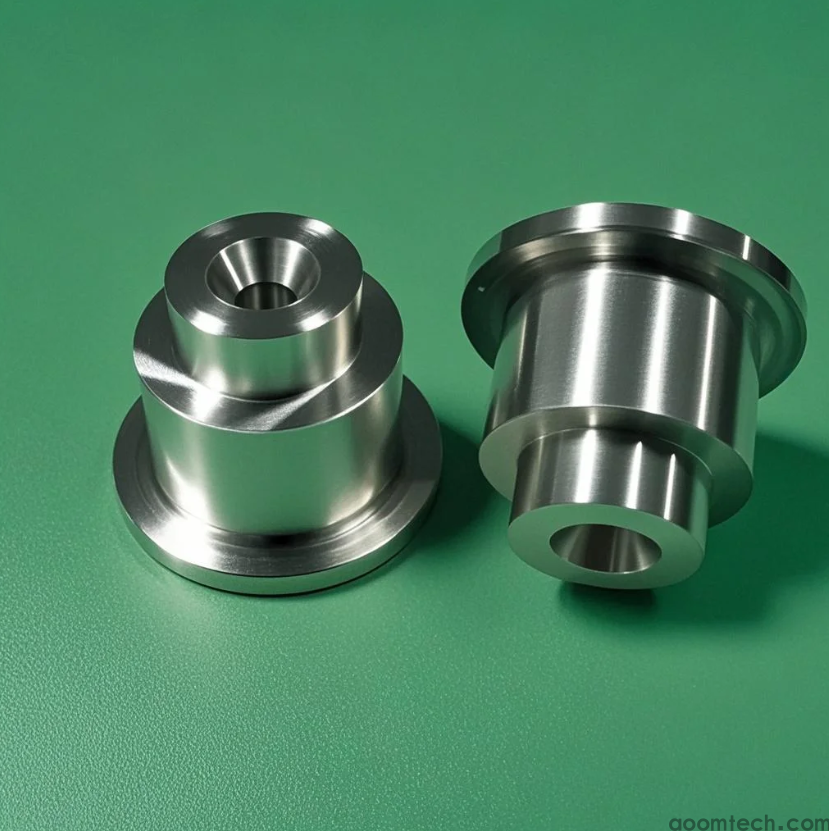
Das Wichtigste zuerst: Warum ist die Bearbeitung von Kupfer so schwierig?
Bevor wir uns mit der Auswahl befassen, sollten wir das "Warum" verstehen. Kupfer und seine Legierungen (wie Messing und Bronze) sind wunderbare Materialien - große Leitfähigkeit, Korrosionsbeständigkeit und Bearbeitbarkeit. However, they can be soft and gummy, which sounds good but can lead to built-up edge on tools, poor surface finish if not handled correctly, and challenges in holding tight tolerances. A supplier who treats copper like steel is a red flag. ?
Schritt 1: Blick über die Maschinenliste hinaus (Bewertung ihres Fachwissens)
Viele Lieferanten werden ihre CNC-Maschinen auflisten. Das ist einfach. Sie müssen tiefer graben:
• Ask about *specific* experience with copper alloys: "How many projects have you done with C11000 electrolytic copper or C36000 brass?" Real experience matters.
• Inquire about tooling and parameters: Do they use specialized tool geometries or coatings (like diamond-like carbon) for non-ferrous metals? Their answer perhaps hints at their level of sophistication.
• Request case studies or samples: Seeing is believing. A confident supplier can show you finished parts.
Meine Meinung: Ich erlebe oft, dass Käufer die Maschinenmarke überbewerten. Aber ein erfahrener Bediener einer älteren Maschine kann einen Anfänger mit dem neuesten Modell übertreffen, wenn es um heikle Materialien wie Kupfer geht.
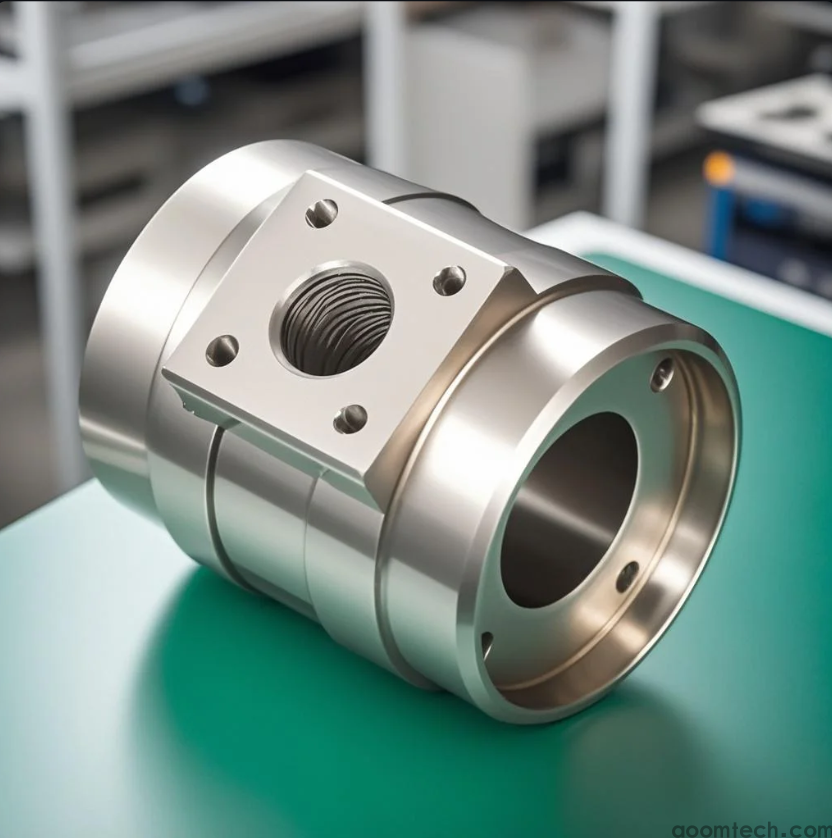
Schritt 2: Überprüfen Sie den Prozess der Qualitätskontrolle
Präzision ist nicht verhandelbar. Wie können sie sie garantieren?
• First-article inspection (FAI): Do they have a formal process? Will they provide you with inspection reports?
• In-process checks: For longer runs, how do they ensure part 10 is identical to part 1?
• Measurement equipment: Do they have capable tools (like micrometers, CMMs, surface profilometers) to verify the specs *you* care about?
Hier ein Profi-Tipp: Fragen Sie sie, "What's the most common quality issue you encounter with copper parts, and how do you prevent it?" Their response will tell you volumes about their problem-solving mindset.
Schritt 3: Kommunikation und Service - Das Make or Break
Dies könnte der wichtigste Schritt sein. Ein perfektes Teil, das verspätet geliefert wird, ist nutzlos. Ein kleines Problem, das nicht klar kommuniziert werden kann, wird zu einem großen Problem.
• Responsiveness: Do they answer technical questions clearly and promptly?
• Transparency on challenges: If there's a design for manufacturability (DFM) issue, will they speak up early, or just quote and hope for the best?
• Willingness to collaborate: Are they a true partner for prototyping and refining the design?
Persönliche Sichtweise: Ich würde jeden Tag einen etwas teureren Anbieter mit einwandfreier Kommunikation einem billigeren, leisen vorziehen. Die versteckten Kosten von Fehlkommunikation sind enorm. but speaking of which..., you need to balance cost with all these factors.
Schritt 4: Machen Sie den Preis nicht zur ersten Frage
Wir alle haben Budgets. Aber wenn man mit "wie viel pro Stück?" beginnt, denkt man an eine Ware. Stellen Sie zunächst fest, dass sie technisch fähig sind und gut passen (Schritte 1-3). Then, discuss pricing. A detailed RFQ with clear drawings, material specs, quantities, and tolerance requirements will get you comparable quotes. Be wary of the quote that's drastically lower than others—it often means a compromise somewhere.
Also, was jetzt? Sie haben einen Rahmen. Der nächste Schritt besteht darin, Gespräche mit potenziellen Partnern aufzunehmen. Wenn Sie bereit sind, Ihr spezifisches Kupferteilprojekt mit einem Lieferanten zu besprechen, der es erhält, ist der klarste Weg, sich direkt zu melden. ? Have your drawings ready and start a conversation with our technical team today. We're here to help you navigate from prototype to production, smoothly.
 Was Faktoren beeinflussen das Angebot für CNC-Bearbeitung?
Wie garantiert eine hochpräzise CNC-Bearbeitungsfabrik eine
Wie wird der Preis für nicht standardmäßige CNC-Bearbeitungs
So berechnen Sie die Kosten für die CNC-Bearbeitung
Was Faktoren beeinflussen das Angebot für CNC-Bearbeitung?
Wie garantiert eine hochpräzise CNC-Bearbeitungsfabrik eine
Wie wird der Preis für nicht standardmäßige CNC-Bearbeitungs
So berechnen Sie die Kosten für die CNC-Bearbeitung