


Was Toleranz können Sie mit CNC-Stangenbearbeitung erreichen? Eine praktische Anleitung
Hallo zusammen, liebe Ingenieure und Beschaffungsprofis! ? Haben Sie schon einmal auf eine technische Zeichnung gestarrt und sich gefragt, ob Ihr Lieferant für CNC-Stangenbearbeitung actually hit those tiny tolerance numbers? You're not alone. I've been in those meetings where everyone nods, but deep down, there's that nagging question: "What's realistically achievable?" Let's cut through the marketing fluff and talk real numbers. ?
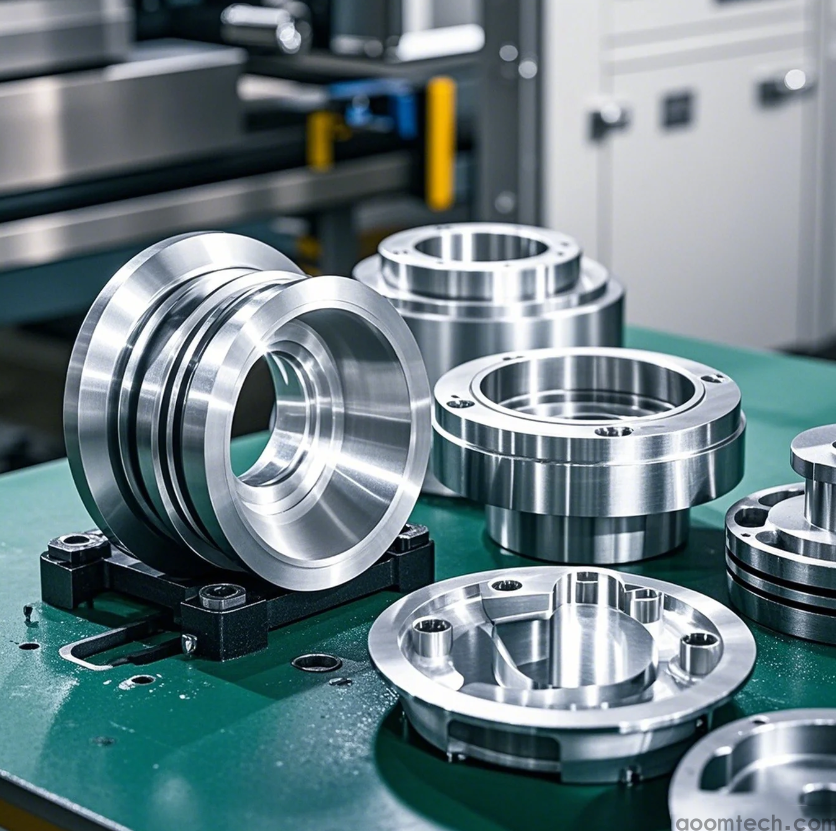
Also, Was ist das wahre Geschäft mit der Genauigkeit der CNC-Stangenbearbeitung?
Lassen Sie uns zunächst die große Frage beantworten. Für die meisten Standard-CNC-Stangenbearbeitungsaufträge können Sie im Allgemeinen erwarten, dass Toleranzen um ±.025 mm to ±.05 mm (±.001" to ±.002"). That's about the thickness of a human hair! But—and this is a big but—this isn't a guarantee for every single part. It depends on a whole bunch of factors that we'll dig into next. I've seen shops consistently hit these numbers on aluminum and brass, but when it comes to some tricky plastics or super-alloys, the story can change.
Was Faktoren beeinträchtigen tatsächlich Ihre Bearbeitungspräzision?
Es geht nie nur um die Maschine. Hier sind die üblichen Verdächtigen, die Ihre Toleranzziele bestimmen oder brechen können:
✅ The Material Itself: Some materials are just easier to work with. Aluminum is pretty forgiving and stable, making it a dream for tight tolerances. But something like stainless steel? It can be a bit of a diva, moving around with heat and stress. The exact way different alloys behave under the cutting tool is something I'm still wrapping my head around.
✅ Machine Condition and Age: A brand-new, high-end Swiss-type lathe is a precision beast. An older, worn-out machine might struggle. It's that simple.
✅ The Length of the Part: This is a big one that often gets overlooked. Trying to hold a tight tolerance on a long, skinny bar? That's much harder than on a short, stubby part. Vibration and deflection become your enemies.
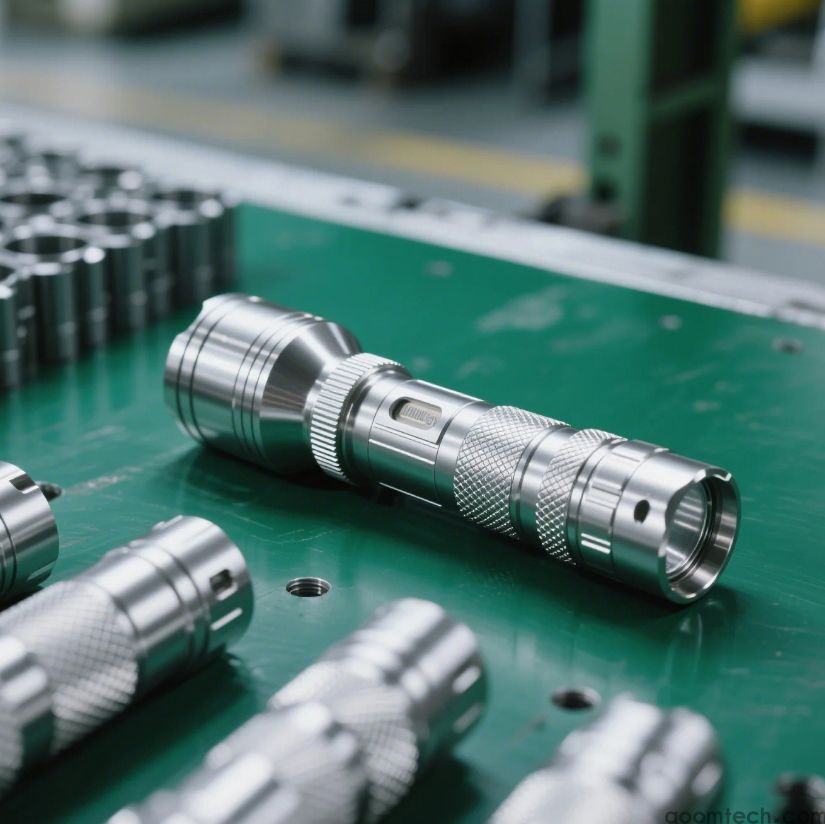
Wie können Sie Ihrem Lieferanten helfen, diese engeren Toleranzen zu erreichen?
Ob Sie es glauben oder nicht, auch Sie haben eine Rolle zu spielen! So können Sie Ihr Projekt zum Erfolg führen:
? Be Smart with Your Tolerances: Don't just call out super tight tolerances everywhere on the drawing. I always ask my team, "Does this surface really need to be that precise?" Only apply tight tolerances to critical features. This saves cost and headache.
? Talk to Your Machinist Early: Get their input during the design phase. They might suggest a small change that makes the part much easier and cheaper to machine accurately.
? Choose the Right Material: If high precision is your goal, maybe an aluminum grade is a better bet than that specific stainless steel you had in mind. Discuss the options.
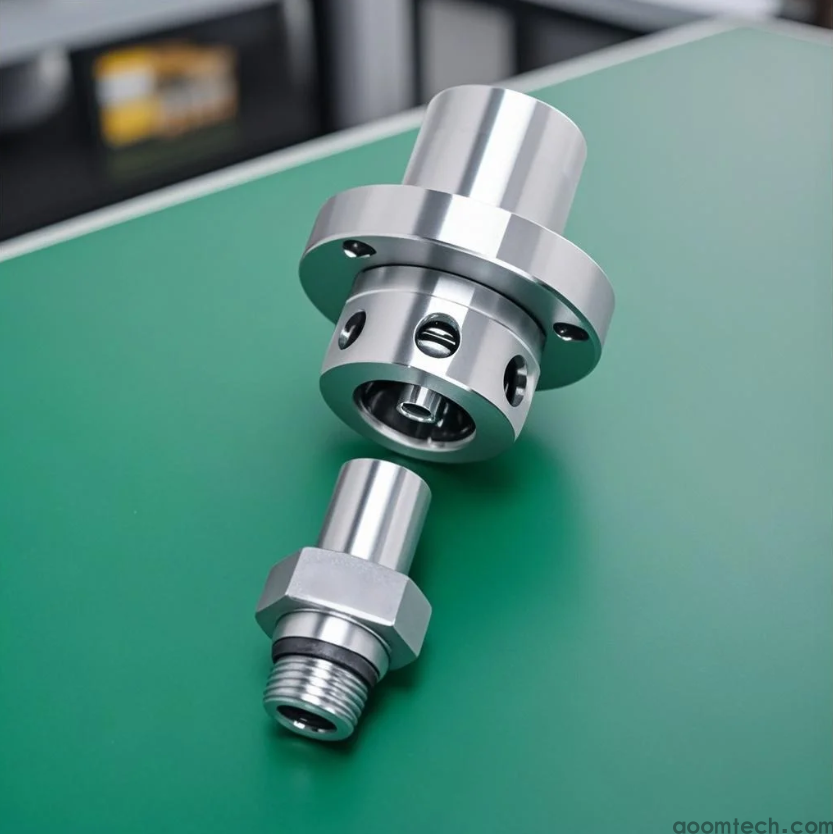
Ist "mehr Präzision" immer die richtige Antwort?
Hier sind meine zwei Cents, nachdem ich Hunderte von Projekten gesehen habe. Die Jagd nach der absolut engsten Toleranz ist oft eine Falle. ? Die Kosten steigen nicht linear; sie steigen wie ein Hockeyschläger. Die letzten 0,01 mm Präzision könnten Ihre Teilekosten verdoppeln. Sie müssen fragen: What does the function of the part actually require? Sometimes, "good enough" is not just good enough—it's the smartest business decision. Perfection can be the enemy of profitability.
Bei kritischen Bauteilen in der Luft- und Raumfahrt oder bei medizinischen Geräten ist diese extreme Präzision jedoch nicht verhandelbar. Aber für viele allgemeine Anwendungen ist es vielleicht übertrieben. Die eigentliche Kunst besteht darin, den Unterschied zu kennen.
Meiner Erfahrung nach kommen die besten Ergebnisse aus einer Partnerschaft. Es geht nicht nur darum, einen Lieferanten zu einem niedrigsten Preis und höchster Präzision zu drängen. Es geht um klare Kommunikation, realistische Erwartungen und das Verständnis für die Kompromisse. Ich habe die Erfahrung gemacht, dass eine offene Diskussion über Ihr Budget und Ihre Leistungsanforderungen zu einem viel reibungsloseren Prozess und einem besseren Endprodukt führt. ? Das ist einfach etwas, worüber Sie bei Ihrem nächsten Projekt nachdenken sollten.
 Was Faktoren beeinflussen das Angebot für CNC-Bearbeitung?
Wie garantiert eine hochpräzise CNC-Bearbeitungsfabrik eine
Wie wird der Preis für nicht standardmäßige CNC-Bearbeitungs
So berechnen Sie die Kosten für die CNC-Bearbeitung
Was Faktoren beeinflussen das Angebot für CNC-Bearbeitung?
Wie garantiert eine hochpräzise CNC-Bearbeitungsfabrik eine
Wie wird der Preis für nicht standardmäßige CNC-Bearbeitungs
So berechnen Sie die Kosten für die CNC-Bearbeitung