


Mecanizado CNC de artesanía de precisión, Mecanizado CNC de artesanía de metal
¿Está cansado de que sus diseños de productos de alta gama se vean defraudados por una fabricación que simplemente no es lo suficientemente precisa? 😥 La superficie es rugosa, los detalles son borrosos y pierde por completo la sensación artística que buscaba. Este es un punto de dolor común para muchos diseñadores y gerentes de compras. Cuando se trata de crear artesanías o artículos de lujo de primer nivel, precision and material choice are everything. Let's talk about how CNC machining solves this.
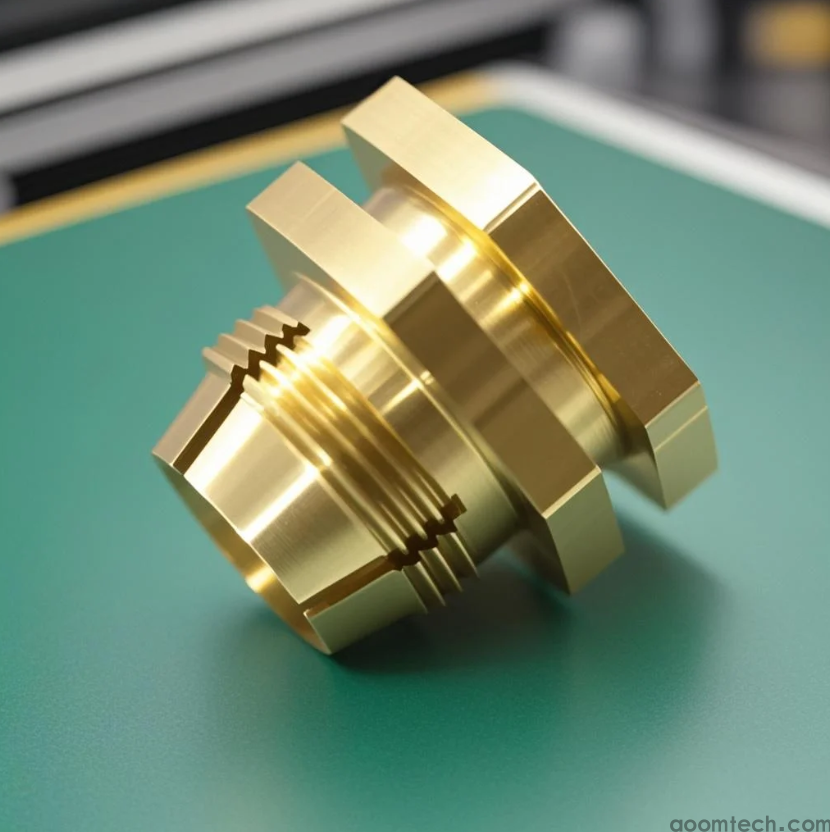
¿Qué es exactamente el mecanizado CNC de precisión artesanal?
En esencia, se trata de hacer máquinas de arte con . Piensa en ello como un escultor digital superpreciso. Estamos hablando de detalles más finos que un cabello humano. Este no es un mecanizado promedio; es un proceso dedicado para piezas donde every micron matters. While the goal is perfection, it's worth mentioning that achieving sub-micron level consistency on extremely complex organic shapes can still be a challenge that pushes the limits of current technology.
¿Por qué el metal es un material de referencia para artesanías de alta gama?
El metal simplemente tiene una presencia que el plástico no puede igualar. Se siente sustancial, valioso y atemporal. Pero no se trata solo de apariencia:
• Durability: A metal craft can last for generations, no joke.
• Premium Finish: You can polish it to a mirror shine, or brush it for a sophisticated matte look. The options are vast.
• Intricate Details: CNC machines can carve incredibly fine patterns into metals like brass or aluminum, capturing the soul of your design.
Dicho esto, trabajar con el metal es más duro para las herramientas y generalmente cuesta más que otros materiales, lo cual es un factor clave en su cost planning.
¿Cómo es el flujo de trabajo real? Del archivo a la pieza terminada
Es un proceso más complicado de lo que la gente podría pensar. A menudo uso un enfoque de 5 pasos en mis proyectos:
1. 3D Model Finalization: This is the blueprint. Any error here gets carved in metal, literally.
2. Programming the CNC Path: The technician translates your model into a language the machine understands. This is where their expertise makes or breaks the part.
3. Material Selection & Setup: Choosing the right metal stock and securing it perfectly in the machine.
4. The Machining Process: This is where the magic happens, with cutting tools shaping the block. Multiple tools and steps are often involved.
5. Post-Processing: This is the secret sauce. Deburring, polishing, and maybe even plating or anodizing for color.
Todo este viaje, desde un archivo digital hasta un objeto físico que puedes sostener, todavía me sorprende. Quizás sugiere que estamos mezclando los mundos de la artesanía tradicional y la precisión digital.
Cómo detectar a un proveedor que realmente pueda ofrecer calidad
No todos los talleres mecánicos son iguales. Esto es lo que busco:
• Ask for a Portfolio: Don't just take their word for it. Demand to see photos of previous craft projects. Look at the finish and detail.
• Inquire About Their Equipment: Older machines might not hold the tolerances you need for a true "level one" craft.
• Communication is Key: Do they understand your aesthetic goals, or are they just talking about specs? A good partner gets both.
Pero honestamente, el mecanismo específico de cómo algunas tiendas logran consistentemente un aspecto "acabado a mano" con CNC es algo por lo que todavía tengo curiosidad: parece ser un secreto muy bien guardado.
Un Pequeño Secreto: El Poder De Los Prototipos
Antes de comprometerte con una producción completa, especialmente para una pieza compleja, get a prototype made. It's an upfront cost that can save you a fortune later. You can test the feel, the weight, and the overall look. It's your chance to catch issues before they become expensive mistakes. This one step has saved my projects more times than I can count. 😌
En última instancia, encontrar el socio adecuado para artesanías de metal de precisión se trata de estándares compartidos. No es solo una orden de compra; es una colaboración para traer algo excepcional al mundo.
 ¿Qué Factores Afectan a la Cotización de Mecanizado CNC?
¿Cómo Garantiza Una Fábrica De Mecanizado CNC De Alta Precis
¿Cómo se calcula el precio de la personalización del mecaniz
Cómo calcular el costo de mecanizado CNC
¿Qué Factores Afectan a la Cotización de Mecanizado CNC?
¿Cómo Garantiza Una Fábrica De Mecanizado CNC De Alta Precis
¿Cómo se calcula el precio de la personalización del mecaniz
Cómo calcular el costo de mecanizado CNC