


¿Qué tan preciso puede ser el mecanizado CNC? Una guía práctica para compradores
¿Alguna vez has recibido un lote de piezas que simplemente... no encajaban? ? Esa sensación de hundimiento cuando su proyecto se detiene porque los componentes están fuera de las especificaciones. Si es gerente de compras o ingeniero, sabe que la precisión no es solo algo agradable de tener; es la base de un producto funcional. Entonces, cuando está obteniendo CNC high-precision parts, the burning question is: just how accurate can this process really get? Let's cut through the marketing fluff and talk real numbers and practical realities.
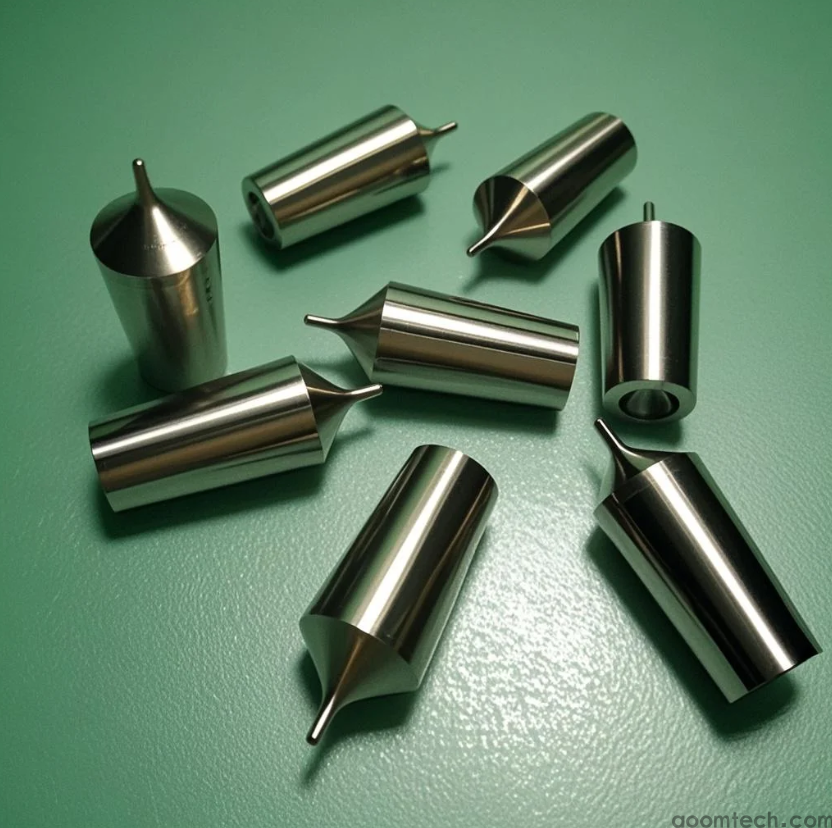
¿Qué significa "precisión" en el mecanizado CNC?
En primer lugar, es fácil enredarse en términos. La gente a menudo usa "precisión" y "precisión" como si fueran lo mismo, pero hay una diferencia clave. Piénsalo de esta manera: Accuracy is about hitting the bullseye. If you aim for a dimension of 25.000 mm, an accurate machine will get you very close to that. Precision, on the other hand, is about doing it consistently. If you shoot ten arrows and they all land in the same spot—even if it's not the bullseye—that's precision. For CNC high-precision parts, we need both. We need to hit the target dimension and do it over and over, part after part.
Entonces, ¿Cuáles Son Las Tolerancias Del Mundo Real Que Podemos Esperar?
Muy bien, vayamos al meollo. Para la mayoría de los estándares CNC machining services, a common tolerance to expect is around ±.005 inches or ±.125 millimeters. That's pretty good for a vast majority of applications. But when we talk about high-precision CNC work, things get tighter. It's not uncommon to achieve tolerances of ±.0005 inches (±.0127 mm) or even tighter under controlled conditions.
Sin embargo, es muy importante saber que este no es un número mágico. La tolerancia real alcanzable depende en gran medida de un montón de factores. El tipo de material, el tamaño de la pieza, la característica específica que se está mecanizando e incluso la temperatura en el taller pueden jugar un papel importante. Por lo tanto, aunque esos números ultra ajustados son posibles, es posible que no sean posibles para la geometría específica de su pieza.
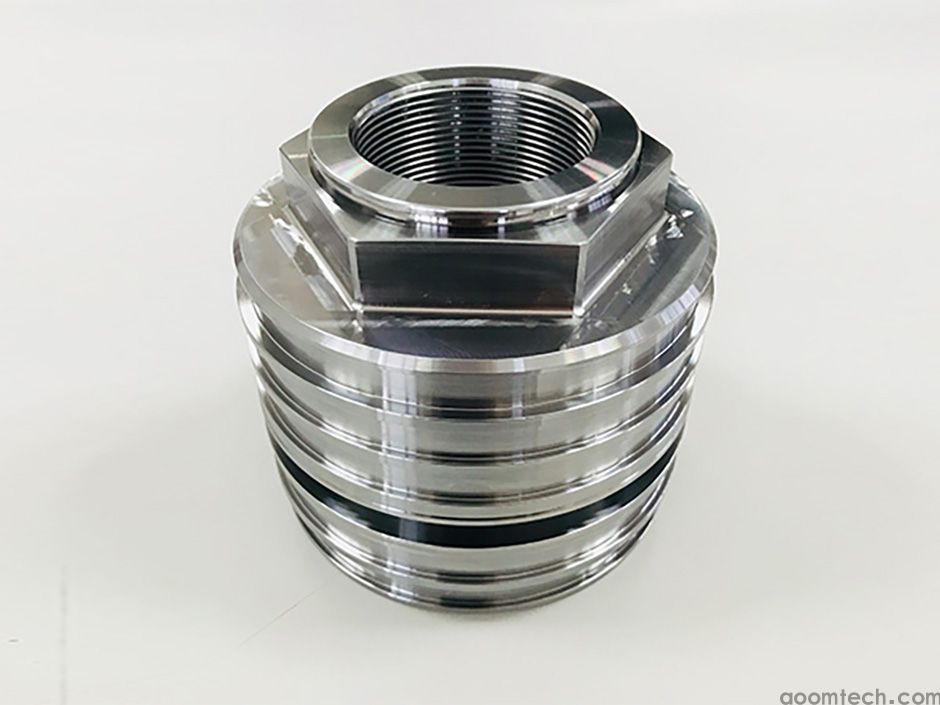
¿Qué Factores Mal Con Su Precisión CNC?
No puede simplemente pedir una pieza y esperar lo mejor. Saber qué influye en la precisión le ayuda a tener una conversación más inteligente con su proveedor. Aquí están los grandes:
- ?️ The Machine Itself: An older, worn-out machine will naturally have more play and vibration than a well-maintained, modern one.
- ?️ Thermal Expansion: This is a huge one that's often overlooked. Metal expands when it gets hot. The heat from the cutting process itself can cause the part to grow, throwing dimensions off. Good shops have climate control and even use coolant to manage this.
- ? Tooling and Fixturing: A dull cutting tool or a part that isn't clamped down securely will definitely hurt your precision. It seems basic, but it's where many errors start.
Pero, y esto es grande, el mecanismo específico de cuánto contribuye cada factor para un material dado puede ser un rompecabezas complejo que incluso los expertos debaten. La interacción exacta entre la trayectoria de la herramienta, la velocidad del huso y la dureza del material a veces se siente más como un arte que como una ciencia.
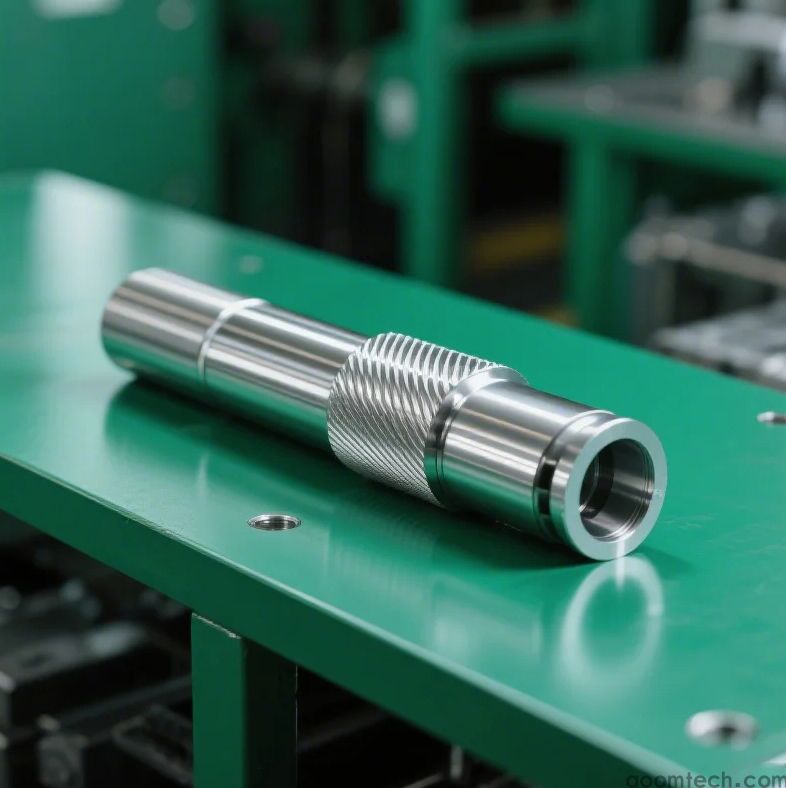
¿Cómo Puede Usted, Como Comprador, Asegurarse De Obtener Piezas Precisas?
Esta es la parte que realmente importa, ¿verdad? No se trata solo de conocer los números; se trata de obtener buenas partes en su base de recepción. Esto es lo que puede hacer:
- ? Communicate Clearly (and Early!): Don't just put a tolerance on every single dimension on your drawing. That drives cost up. Identify the critical features that must be ultra-precise and call those out specifically. For non-critical areas, let them use a standard tolerance.
- ? Choose the Right Partner: Look for a machine shop that talks to you about these factors. If they ask about the part's function and discuss potential challenges, that's a great sign. If they just say "yes, we can do anything," be cautious.
- ? Ask About Their Process: Inquire about their quality control. Do they use first-article inspection? Do they have CMMs (Coordinate Measuring Machines) to verify complex parts? Their answers will tell you a lot.
Desde mi propia experiencia, he descubierto que las tiendas que son más transparentes sobre el challenges of holding a tight tolerance are often the ones most capable of delivering on it. They're the ones thinking about the problem, not just running the machine.
¿Es Más Apretado Siempre Mejor? Un Pensamiento Final
Es tentador especificar la tolerancia más estricta posible, pensando que garantiza una mejor parte. Pero aquí está la opinión privilegiada: unnecessarily tight tolerances can be a trap. They skyrocket your costs, increase production time, and can even lead to more scrap if the process isn't perfectly stable. The real goal is to define the widest acceptable tolerance that still allows your product to function flawlessly. This balance is the key to cost-effective and reliable high-precision part sourcing. Achieving that perfect balance between cost and performance, now that's the real art of manufacturing.
 ¿Qué Factores Afectan a la Cotización de Mecanizado CNC?
¿Cómo Garantiza Una Fábrica De Mecanizado CNC De Alta Precis
¿Cómo se calcula el precio de la personalización del mecaniz
Cómo calcular el costo de mecanizado CNC
¿Qué Factores Afectan a la Cotización de Mecanizado CNC?
¿Cómo Garantiza Una Fábrica De Mecanizado CNC De Alta Precis
¿Cómo se calcula el precio de la personalización del mecaniz
Cómo calcular el costo de mecanizado CNC