


بهترین مواد برای شفت های محرک ماشینکاری CNC: یک راهنمای عملی
سلام ، مهندسان همکار و متخصصان تدارکات! ? تا به حال در یک جلسه گیر کرده اید و در مورد آن بحث می کنید best material for a CNC machined drive shaft? You know the drill – one team argues for strength, another for cost, and you're left wondering if there's a perfect answer. The truth is, picking the wrong material can lead to premature failure, costly downtime, and a whole lot of headaches. So, let's cut through the noise and figure this out together. What exactly should you be looking for?
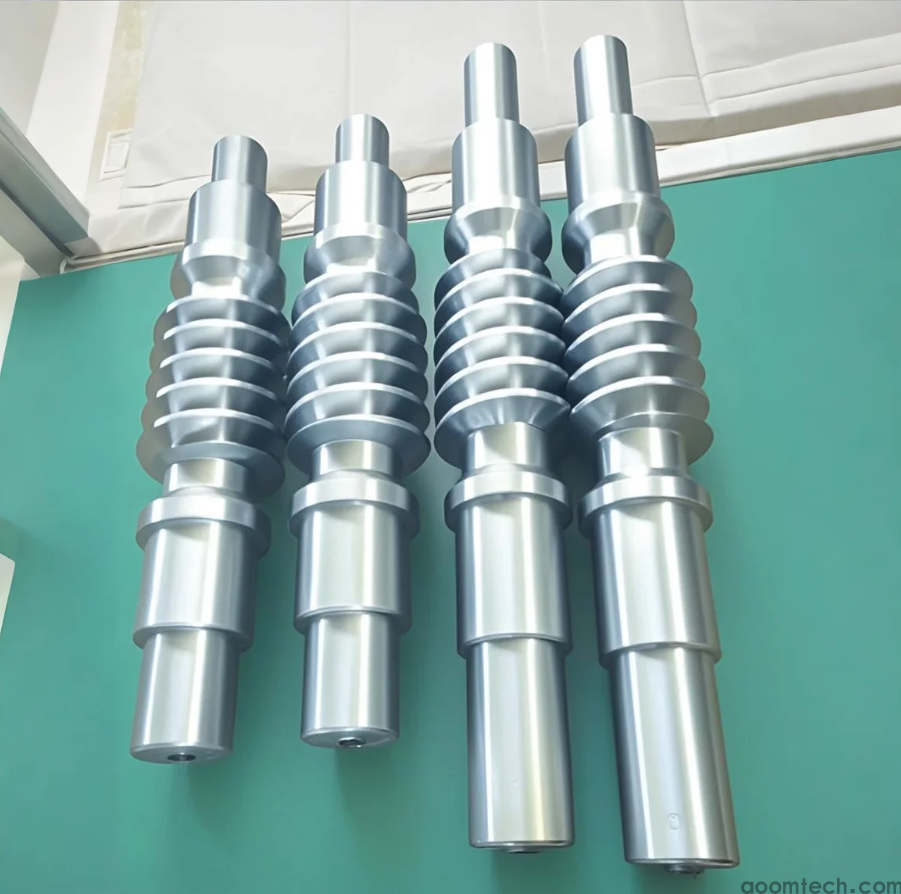
به هر حال مشکل بزرگ در مورد مواد شفت درایو چیست ؟
شفت محرک را به عنوان ستون فقرات سیستم انتقال قدرت خود در نظر بگیرید. باید سخت باشد ، اما شکننده نباشد. در برابر سایش مقاوم است ، اما اغلب باید سبک وزن باشد. سوال اصلی که ما به آن می پردازیم این است: CNC加工传动轴用什么材料好? Or in English, what materials are best? The short answer is: it wildly depends on your application. There's no one-size-fits-all, but some materials are superstar performers for most jobs. We'll dive into those now.
رقیب برتر: فولاد آلیاژی (مانند 414 یا 434)
اگر در مورد اسب کار صحبت می کنیم ، فولاد آلیاژی همان است. من میبینم که این استفاده شده all the time.
چرا عالیه:
• Super strong and tough: It handles high torque and shock loads like a champion.
• Great wear resistance: It lasts a long time, even in tough conditions.
• Cost-effective: Generally offers a good balance of performance and price.
مراقب باشید:
• سنگین است ، بنابراین برای کاربردهایی که وزن یک نگرانی بزرگ است (مانند هوافضا) ایده آل نیست.
• It can rust if not properly coated or treated.
برداشت من ؟ برای اکثر ماشین آلات صنعتی ، تجهیزات سنگین و کاربردهای خودرو ، alloy steel is the default starting point. It's a safe, reliable bet. The specific heat treatment process, however, can drastically change its properties, and that's an area where the exact science can get pretty complex.
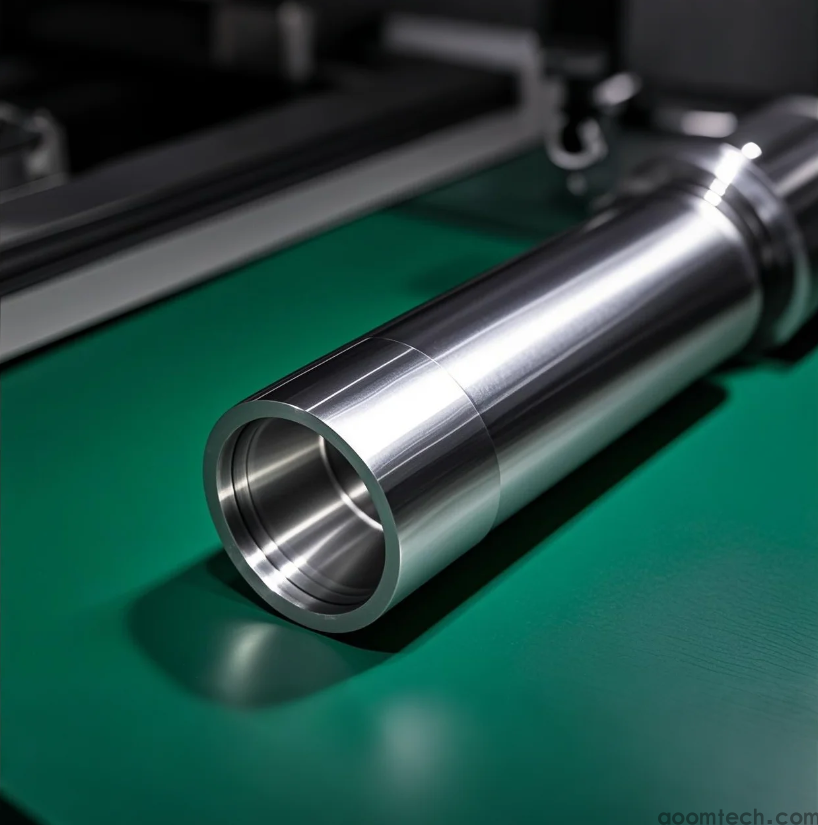
قهرمان سبک وزن: آلومینیوم (مانند 6061 یا 7075)
به چیزی سبک و سریع برای ماشین نیاز دارید ؟ آلومینیوم دوست شماست.
چرا عالیه:
• Super lightweight: Crucial for drones, racing vehicles, and high-speed spindles.
• Good strength-to-weight ratio: 7075 aluminum, for instance, has strength close to some steels.
• Corrosion resistant: It forms a protective oxide layer naturally.
مراقب باشید:
• به اندازه فولاد قوی نیست ، بنابراین برای کاربردهای با گشتاور بالا و سنگین مناسب نیست.
• It can fatigue over time under repeated stress.
من اغلب از نمونه های اولیه آلومینیومی استفاده می کنم زیرا سریع ماشین کاری می شوند و آزمایش با آنها آسان است. اما برای محصول نهایی که نیاز به شکست دارد ، ممکن است لازم باشد جای دیگری را جستجو کنید.
جنگنده خوردگی: فولاد ضد زنگ (مانند 304 یا 316)
کار در محیط مرطوب یا شیمیایی ؟ فولاد ضد زنگ بالا می رود.
چرا عالیه:
• Excellent corrosion resistance: Perfect for food processing, marine, or chemical industries.
• Good strength and hardness: It's certainly no slouch in the performance department.
مراقب باشید:
• More expensive than alloy steels.
• It can be a bit gummy and tougher on cutting tools during the CNC machining process.
در حالی که ضد زنگ برای مقاومت در برابر زنگ زدگی فوق العاده است ، مکانیسم پشت لایه غیرفعال سازی آن چیزی است که من کاملاً صلاحیت توضیح جزئیات آن را ندارم. فقط کار میکنه! ? اما صحبت از چیزهایی که کار می کنند ، گزینه دیگری وجود دارد که بی سر و صدا درخشان است.
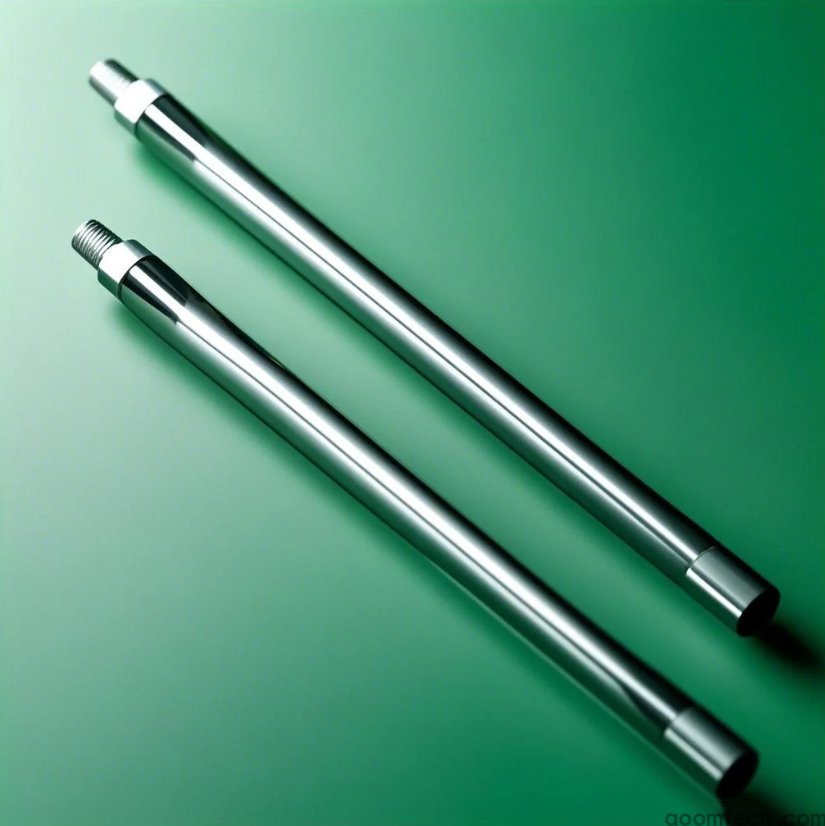
متخصص: تیتانیوم (مانند درجه 5 یا Ti-6Al-4V)
زمانی که به نهایت نیاز دارید combination of strength, lightness, and corrosion resistance, titanium is the answer. But it comes at a price.
چرا عالیه:
• نسبت قدرت به وزن باورنکردنی.
• زیست سازگار و بسیار مقاوم در برابر خوردگی.
مراقب باشید:
• Very high cost for both material and machining.
• Challenging to machine, requiring specialized tools and expertise.
این را در هوافضای پیشرفته ، ایمپلنت های پزشکی و مسابقات با کارایی بالا خواهید یافت. Perhaps it's not an overstatement to say that for the most demanding applications, titanium is unbeatable. But for the other 95% of projects, the previous options are more than enough.
بنابراین ، در واقع چگونه انتخاب می کنید ؟
فقط "بهترین" مواد را انتخاب نکنید. انتخاب کنید right one. Ask yourself these questions:
• What are the torque and load requirements? (This points you to strength needs)
• Is weight a critical factor? (This decides the strength-to-weight ratio focus)
• What environment will it operate in? (Wet, dry, chemical? This dictates corrosion resistance)
• What's the budget? (This is the reality check!)
از تجربه من ، یک انتخاب خوب alloy steel often provides the best value for general engineering. However, the rise of compact, high-performance robotics is pushing more designers towards advanced aluminum alloys and even composites, though that's a topic for another day. The landscape of available materials is always shifting, and what was ideal a decade ago might be surpassed by something new tomorrow.
 نحوه اطمینان از دقت در ماشینکاری CNC با حجم بالا: یک راهنمای
نحوه انتخاب یک تامین کننده قابل اعتماد ماشینکاری CNC برای قط
ملاحظات کلیدی برای تولید انبوه CNC دقیق: یک راهنمای عملی
نحوه جلوگیری از تاب برداشتن مواد نرم در ماشینکاری CNC: یک را
نحوه اطمینان از دقت در ماشینکاری CNC با حجم بالا: یک راهنمای
نحوه انتخاب یک تامین کننده قابل اعتماد ماشینکاری CNC برای قط
ملاحظات کلیدی برای تولید انبوه CNC دقیق: یک راهنمای عملی
نحوه جلوگیری از تاب برداشتن مواد نرم در ماشینکاری CNC: یک را