


Milyen toleranciát érhet el a CNC bár megmunkálásával? Gyakorlati útmutató
Szia, mérnöktársak és beszerzési profik! ? Valaha találta magát bámulva egy műszaki rajz, kíváncsi, hogy a CNC bár megmunkáló szállító tud-e actually hit those tiny tolerance numbers? You're not alone. I've been in those meetings where everyone nods, but deep down, there's that nagging question: "What's realistically achievable?" Let's cut through the marketing fluff and talk real numbers. ?
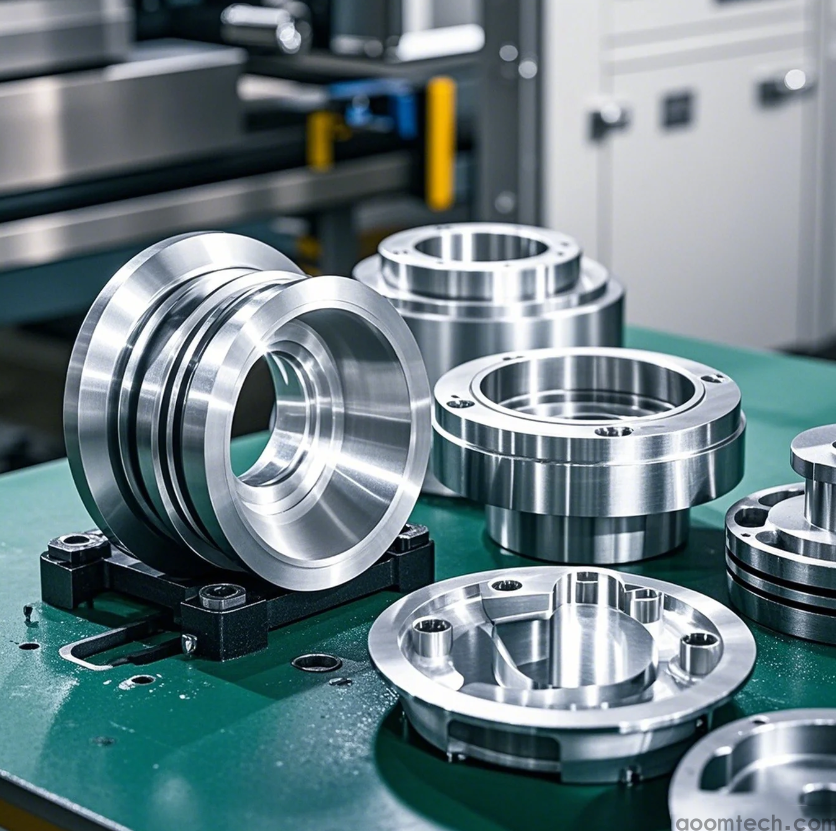
Szóval, mi az igazi üzlet a CNC bár megmunkálás pontosságával?
Először is válaszoljunk a nagy kérdésre. A legtöbb szabványos CNC bár megmunkálási munkahelynél általában elvárható, hogy toleranciákat tartson ±.025 mm to ±.05 mm (±.001" to ±.002"). That's about the thickness of a human hair! But—and this is a big but—this isn't a guarantee for every single part. It depends on a whole bunch of factors that we'll dig into next. I've seen shops consistently hit these numbers on aluminum and brass, but when it comes to some tricky plastics or super-alloys, the story can change.
Milyen tényezők ténylegesen megzavarják a megmunkálási precizitását?
Ez soha nem csak a gépről szól. Íme a szokásos gyanúsítottak, amelyek meg tudják hozni vagy megtörni a tolerancia céljait:
✅ The Material Itself: Some materials are just easier to work with. Aluminum is pretty forgiving and stable, making it a dream for tight tolerances. But something like stainless steel? It can be a bit of a diva, moving around with heat and stress. The exact way different alloys behave under the cutting tool is something I'm still wrapping my head around.
✅ Machine Condition and Age: A brand-new, high-end Swiss-type lathe is a precision beast. An older, worn-out machine might struggle. It's that simple.
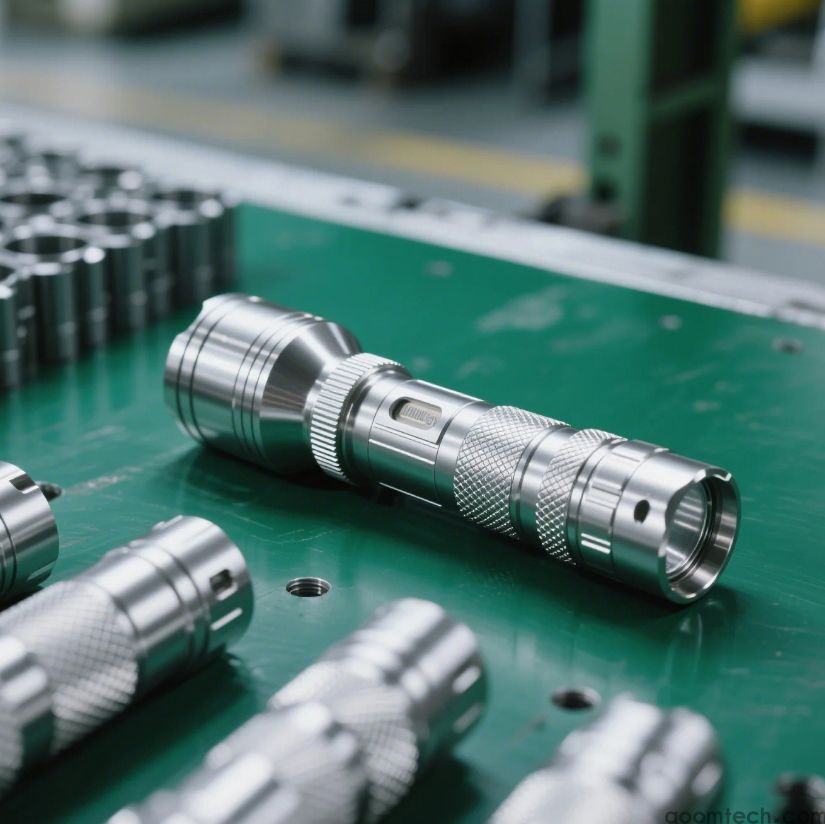
✅ The Length of the Part: This is a big one that often gets overlooked. Trying to hold a tight tolerance on a long, skinny bar? That's much harder than on a short, stubby part. Vibration and deflection become your enemies.
Hogyan segíthetsz a szállítónak megütni ezeket a szigorúbb toleranciákat?
Akár hiszed, akár nem, neked is van szereped! Így állíthatod be projektedet a sikerhez:
? Be Smart with Your Tolerances: Don't just call out super tight tolerances everywhere on the drawing. I always ask my team, "Does this surface really need to be that precise?" Only apply tight tolerances to critical features. This saves cost and headache.
? Talk to Your Machinist Early: Get their input during the design phase. They might suggest a small change that makes the part much easier and cheaper to machine accurately.
? Choose the Right Material: If high precision is your goal, maybe an aluminum grade is a better bet than that specific stainless steel you had in mind. Discuss the options.
A "pontosabban" mindig a helyes válasz?
Itt van a két centem, több száz projekt látásából.Az abszolút legszorosabb tolerancia üldözése gyakran csapda. ? A költségek nem nőnek lineárisan; úgy megy fel, mint egy jégkorong bot. Ez az utolsó 0,01 mm-es pontosság megduplázhatja a részköltséget. Meg kell kérdezni: What does the function of the part actually require? Sometimes, "good enough" is not just good enough—it's the smartest business decision. Perfection can be the enemy of profitability.
Ennek ellenére a repülőgép vagy az orvosi eszközök kritikus alkatrészei esetében ez a rendkívüli precizitás nem tárgyalható. De sok általános alkalmazás esetében talán túlzás. Az igazi készség a különbség ismerete.
Tapasztalataim szerint a legjobb eredmények egy partnerségből származnak. Nem csak arról van szó, hogy a szállítót a legalacsonyabb áron és a legmagasabb precizitásra kényszerítsük. Egyértelmű kommunikációról, reális elvárásokról és a kompromisszumok megértéséről van szó. Úgy tapasztaltam, hogy a költségvetés és a teljesítmény igényeivel kapcsolatos előrelépés sokkal gördülékenyebb folyamathoz és jobb végtermékhez vezet. ? Csak valami, amire gondolni kell a következő projektjére.
 Hogyan kell kiszámítani a CNC megmunkálási költségeket
Hogyan biztosítsuk a pontosságot a CNC megmunkált alkatrésze
Kis tétel precíziós alkatrészek CNC megmunkálás gyártó
Milyen tényezők befolyásolják a CNC megmunkálási idézetet?
Hogyan kell kiszámítani a CNC megmunkálási költségeket
Hogyan biztosítsuk a pontosságot a CNC megmunkált alkatrésze
Kis tétel precíziós alkatrészek CNC megmunkálás gyártó
Milyen tényezők befolyásolják a CNC megmunkálási idézetet?