


Lavorazione CNC artigianale di precisione, lavorazione CNC artigianale in metallo
Sei stanco dei tuoi design di prodotti di fascia alta che vengono delusi dalla produzione che non è abbastanza precisa? ? La superficie è ruvida, i dettagli sono sfocati e perde totalmente la sensazione artistica che stavi cercando. Questo è un punto dolente comune per molti designer e responsabili degli acquisti. Quando si tratta di creare artigianato di alto livello o beni di lusso, precision and material choice are everything. Let's talk about how CNC machining solves this.
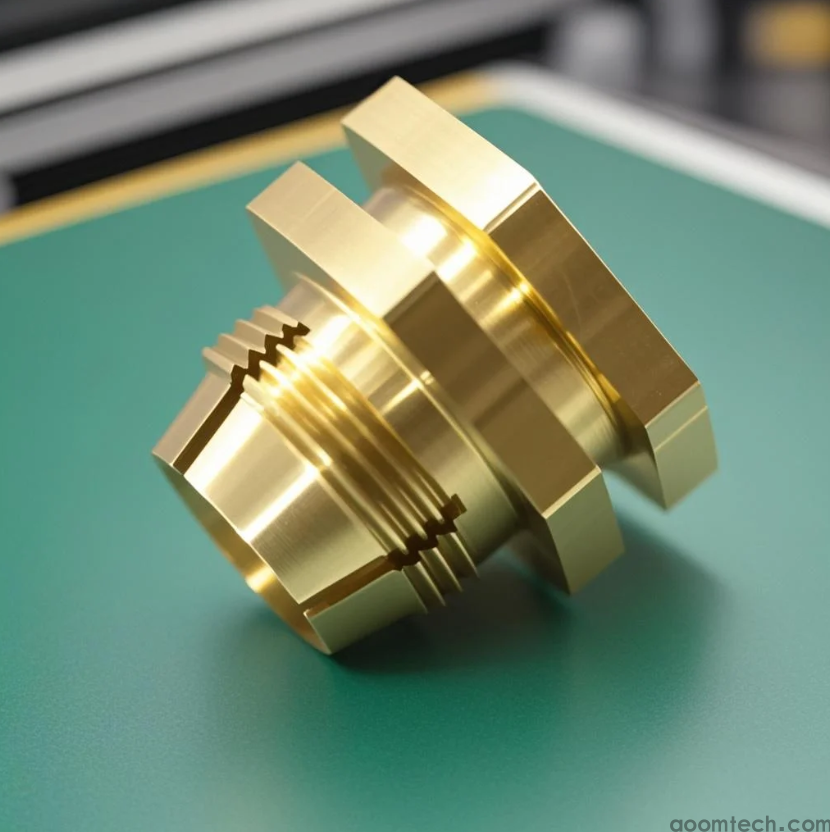
Che cosa è esattamente Precision Craft CNC Machining?
Al suo interno, si tratta di fare arte con le macchine. Pensalo come uno scultore digitale super-accurato. Stiamo parlando di dettagli più fini di un capello umano. Questa non è la tua lavorazione media; è un processo dedicato per pezzi in cui every micron matters. While the goal is perfection, it's worth mentioning that achieving sub-micron level consistency on extremely complex organic shapes can still be a challenge that pushes the limits of current technology.
Perché il metallo è un materiale di riferimento per l'artigianato di fascia alta?
Il metallo ha solo una presenza che la plastica non può eguagliare. Sembra sostanziale, prezioso e senza tempo. Ma non si tratta solo di aspetto:
• Durability: A metal craft can last for generations, no joke.
• Premium Finish: You can polish it to a mirror shine, or brush it for a sophisticated matte look. The options are vast.
• Intricate Details: CNC machines can carve incredibly fine patterns into metals like brass or aluminum, capturing the soul of your design.
Detto questo, lavorare con il metallo è più difficile sugli strumenti e di solito costa di più rispetto ad altri materiali, che è un fattore chiave nel tuo cost planning.
Qual è il vero flusso di lavoro? Dal file al pezzo finito
È un processo più complesso di quanto la gente possa pensare. Uso spesso un approccio in 5 fasi nei miei progetti:
1. 3D Model Finalization: This is the blueprint. Any error here gets carved in metal, literally.
2. Programming the CNC Path: The technician translates your model into a language the machine understands. This is where their expertise makes or breaks the part.
3. Material Selection & Setup: Choosing the right metal stock and securing it perfectly in the machine.
4. The Machining Process: This is where the magic happens, with cutting tools shaping the block. Multiple tools and steps are often involved.
5. Post-Processing: This is the secret sauce. Deburring, polishing, and maybe even plating or anodizing for color.
L'intero viaggio, da un file digitale a un oggetto fisico che puoi tenere, mi stupisce ancora. Forse suggerisce che stiamo fondendo i mondi dell'artigianato tradizionale e della precisione digitale.
Come individuare un fornitore che può effettivamente fornire qualità
Non tutte le officine meccaniche sono uguali. Ecco cosa cerco:
• Ask for a Portfolio: Don't just take their word for it. Demand to see photos of previous craft projects. Look at the finish and detail.
• Inquire About Their Equipment: Older machines might not hold the tolerances you need for a true "level one" craft.
• Communication is Key: Do they understand your aesthetic goals, or are they just talking about specs? A good partner gets both.
Ma onestamente, il meccanismo specifico per il modo in cui alcuni negozi ottengono costantemente un aspetto "rifinito a mano" con CNC è qualcosa di cui sono ancora curioso - sembra essere un segreto strettamente custodito.
Un piccolo segreto: il potere della prototipazione
Prima di impegnarti in una produzione completa, specialmente per un pezzo complesso, get a prototype made. It's an upfront cost that can save you a fortune later. You can test the feel, the weight, and the overall look. It's your chance to catch issues before they become expensive mistakes. This one step has saved my projects more times than I can count. ?
In definitiva, trovare il partner giusto per l'artigianato in metallo di precisione riguarda gli standard condivisi. Non è solo un ordine di acquisto; è una collaborazione per portare qualcosa di eccezionale nel mondo.
 Come calcolare il costo di lavorazione CNC
Come garantire la precisione nelle parti lavorate a CNC
Piccolo lotto di parti di precisione Produttore di lavorazio
Quali fattori influenzano il preventivo di lavorazione CNC?
Come calcolare il costo di lavorazione CNC
Come garantire la precisione nelle parti lavorate a CNC
Piccolo lotto di parti di precisione Produttore di lavorazio
Quali fattori influenzano il preventivo di lavorazione CNC?