


Come prevenire la deformazione dei materiali morbidi nella lavorazione CNC: una guida pratica
Mai passato ore a progettare la parte perfetta da una plastica morbida, solo per vederla uscire dalla macchina CNC deformata, piegata o semplicemente... Sbagliato? ? Non sei solo. Questa frustrante perdita di tempo e materiale è il mal di testa numero uno quando si lavorano materiali morbidi come nylon, Delrin o anche alcuni metalli più morbidi. Ma se potessi quasi eliminarlo? Parliamo dei passi reali e pratici che puoi adottare per mantenere le tue parti morbide piatte e precise.
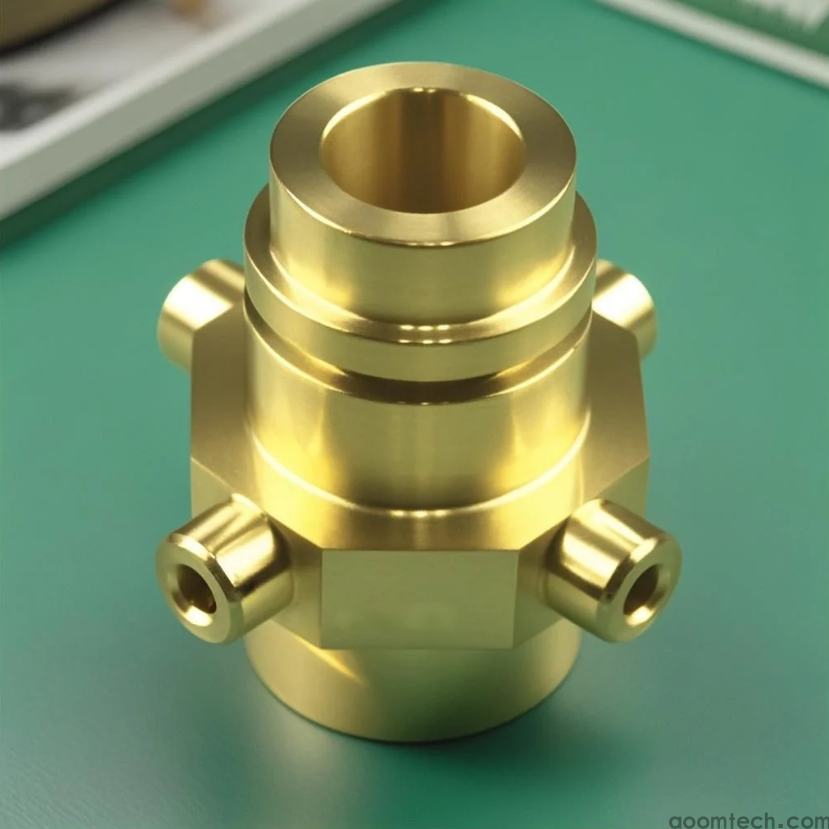
Perché i materiali morbidi si deformano durante la lavorazione CNC?
Per prima cosa, devi capire il nemico. La deformazione non è magia; di solito si tratta di stress and heat. Think of the material like a piece of clay. When you cut into it, you're releasing internal stresses, and the tool generates heat. This combination makes the material want to move and reshape itself. It’s like the material is sighing in relief after being held tight for so long, but in a way that ruins your part. While this proves heat is a major factor, the material's own internal structure plays a huge role too.
5 modi per mantenere le parti morbide piatte
Ok, arriviamo alle soluzioni. Non si tratta di un trucco magico, ma di una combinazione di buone abitudini.
1. Doma il calore con strumenti affilati e mangimi intelligenti
Questa è la regola numero uno. Uno strumento noioso sfrega invece di tagliare, generando calore massiccio. Usa sempre razor-sharp tools specifically designed for plastics or soft materials. Then, play with your speed and feed settings. Sometimes, a faster cut spends less time heating the material. Other times, a slower, steadier cut is better. You'll need to test a bit.
2. Padroneggiare l'arte di Workholding
Il modo in cui tieni la parte è tutto. Se lo stringi troppo forte, lo stai stressando prima ancora di iniziare a tagliare. Quando rilasci i morsetti, pop! – it springs back. Vacuum tables are fantastic because they distribute force evenly. If you're using clamps, be gentle and strategic about their placement.
3. La scelta "fresatura rampicante" vs. "fresatura convenzionale"
Per la maggior parte dei materiali morbidi, climb milling is your friend. In this style, the cutting tooth enters the material at its thickest point and exits at the thin, finished surface. This can help reduce heat and gives a cleaner finish. Conventional milling does the opposite and can sometimes lift the part, encouraging warping.
4. Non essere un eroe: prendi più passaggi di luce
Cercare di rimuovere tutto il materiale in un taglio profondo ed eroico è un modo infallibile per accumulare calore e stress. Invece, prendi multiple lighter passes. This gives the material a chance to cool slightly and reduces the overall force acting on it. It's slower, but you'll actually finish the job with a part that's usable.
5. Lasciare raffreddare e rilassarsi (antistress!)
A volte, il materiale stesso ha stress interno da come è stato fatto. Se stai lavorando con un noto piantagrane, potresti provare annealing it yourself before machining. This is basically a controlled heating and cooling process to relax the material. It's an extra step, but for critical parts, it can be a game-changer. However, this might not be practical for every project.
La mia opinione personale: è un dialogo con il materiale
Dopo anni di fare questo, ho smesso di vederlo come un semplice dare comandi a una macchina. È più come un dialogue with the material. You make a cut, you see how it responds. You adjust. The goal isn't to force the material into submission, but to guide it gently to its final shape. Paying attention to the sound of the cut, the look of the chips, and even the smell can tell you a lot about whether you're winning the war on warping.
Quindi, mentre i passaggi tecnici di cui sopra sono la tua tabella di marcia, non dimenticare di ascoltare. Potrebbe essere lo strumento più potente nel tuo laboratorio.
Lottando con un materiale specifico o una parte super complessa? A volte hai bisogno di una seconda opinione. Our technical team is ready to help you troubleshoot your design and machining strategy. ? [Contact Our Experts Today]
 Come calcolare il costo di lavorazione CNC
Come garantire la precisione nelle parti lavorate a CNC
Piccolo lotto di parti di precisione Produttore di lavorazio
Quali fattori influenzano il preventivo di lavorazione CNC?
Come calcolare il costo di lavorazione CNC
Come garantire la precisione nelle parti lavorate a CNC
Piccolo lotto di parti di precisione Produttore di lavorazio
Quali fattori influenzano il preventivo di lavorazione CNC?