


Cos'è la lavorazione CNC di parti non standard? Una guida completa per gli acquirenti
Lottando per trovare off-the-shelf components that perfectly fit your unique project? ? You're not alone. Many engineers and procurement managers hit this wall, where standard parts just don't cut it. This is where the magic phrase – non-standard part CNC machining – comes into play. But what exactly does it mean, and how can it solve your specific problems? Let's dive in and unpack everything you need to know.
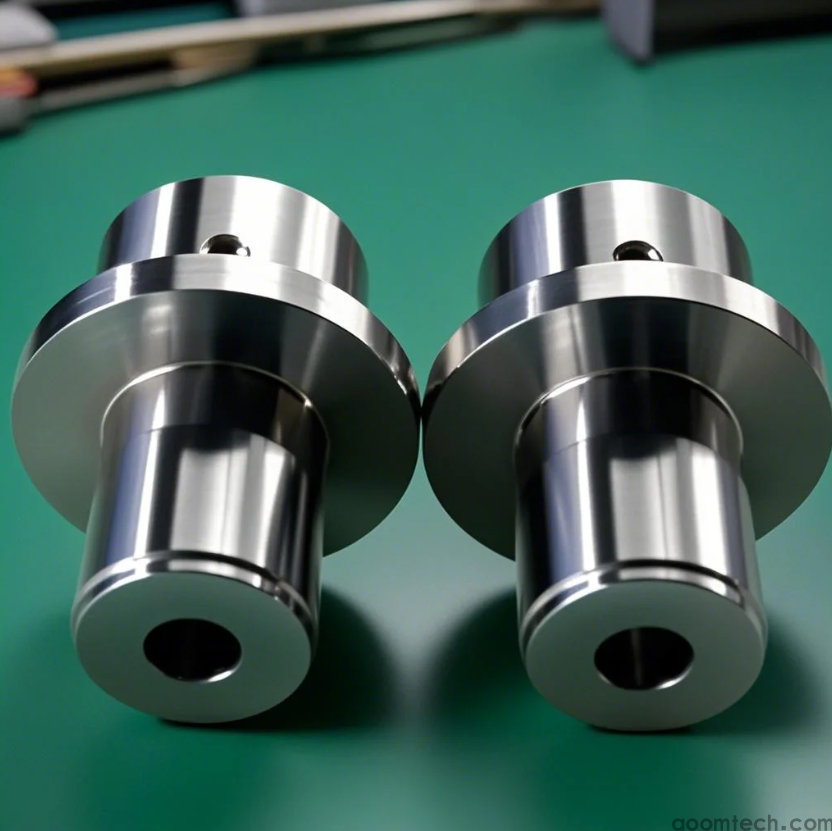
Cos'è esattamente la lavorazione CNC di parti non standard? ?
In poche parole, non-standard part CNC machining is the process of creating custom, one-of-a-kind components that you can't buy from a regular catalog. Think of it like tailoring a suit versus buying one off the rack. While standard parts are mass-produced for general use, non-standard parts are designed and manufactured from scratch to meet your exact specifications—be it a unique shape, a specific material, or a tight tolerance that's critical for your assembly.
Le caratteristiche chiave spesso includono:
- Geometrie uniche: Parti con contorni complessi, canali interni o forme irregolari.
- Requisiti materiali specifici: Necessità di un particolare grado di alluminio, acciaio inossidabile o plastica tecnica.
- Tolleranze di precisione: Dimensioni che devono essere tenute a limiti estremamente stretti.
Perché scegliere la lavorazione CNC personalizzata? ?
La decisione di andare su misura non riguarda solo la necessità; è spesso una mossa strategica. Mentre potrebbe sembrare più facile modificare una parte esistente, ciò può portare a compromised performance and extra costs down the line. Custom machining gives you a part that is optimized for its job from day one. This can lead to better efficiency, longer product life, and fewer headaches during assembly. However, it's fair to say that the upfront time for design and prototyping can be a consideration.
Scenari comuni in cui brilla:
- Prototipazione di nuovi prodotti: Quando stai costruendo un dispositivo nuovo di zecca.
- Sostituzione delle parti obsolete: Quando il produttore originale non fornisce più un componente.
Ottimizzazione delle prestazioni: Quando una parte standard è l'anello debole del sistema.
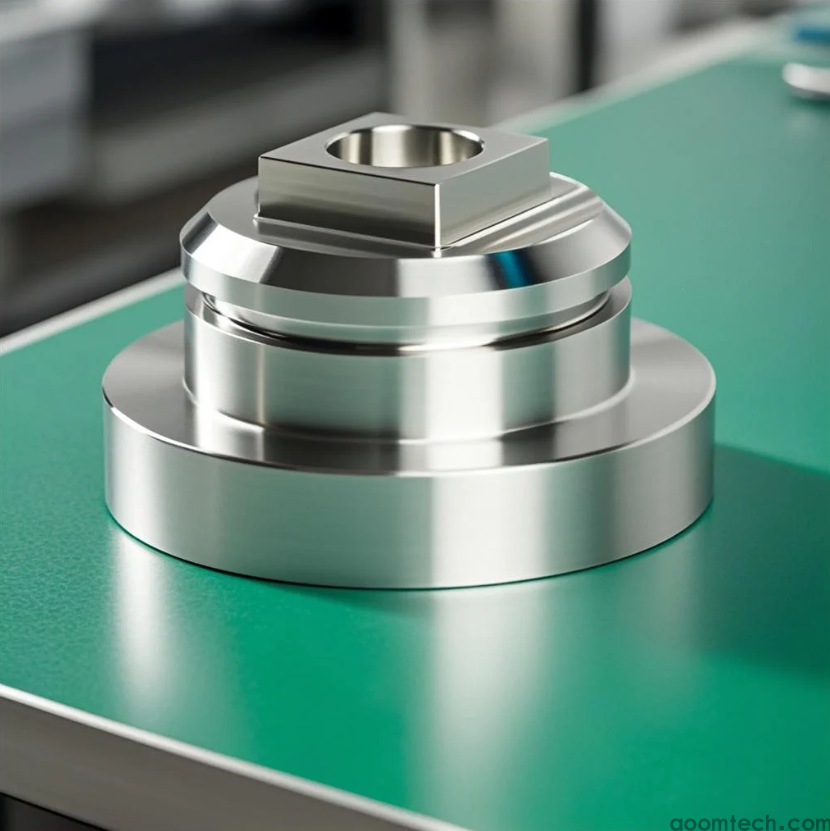
Il percorso passo-passo per ottenere una parte personalizzata ?
Ti stai chiedendo come funziona effettivamente il processo? È più collaborativo di quanto potresti pensare. Non si tratta solo di inviare un disegno e aspettare. Un buon partner di lavorazione lavorerà con te attraverso diverse fasi chiave. Ho scoperto che una comunicazione chiara qui è la vera chiave del successo, anche più delle specifiche tecniche a volte.
1. La progettazione & la fase di citazione: Fornisci le tue idee, schizzi o modelli CAD. Il macchinista li esamina per manufacturability—this is huge. They might suggest small changes that make the part easier and cheaper to produce without affecting its function. You'll then get a quote and lead time.
2. Il controllo di qualità & di lavorazione: Una volta approvato, le macchine CNC si mettono al lavoro. Ma il lavoro non si ferma qui. Le parti vengono quindi misurate e ispezionate rispetto al tuo disegno. Questo quality control step is what separates a reliable supplier from the rest, though the specific measurement techniques and equipment used can vary quite a bit between workshops.
3. Consegna e risposte: Riceverai le tue parti. Una buona partnership implica un feedback per garantire che tutto sia perfetto per il prossimo ordine.
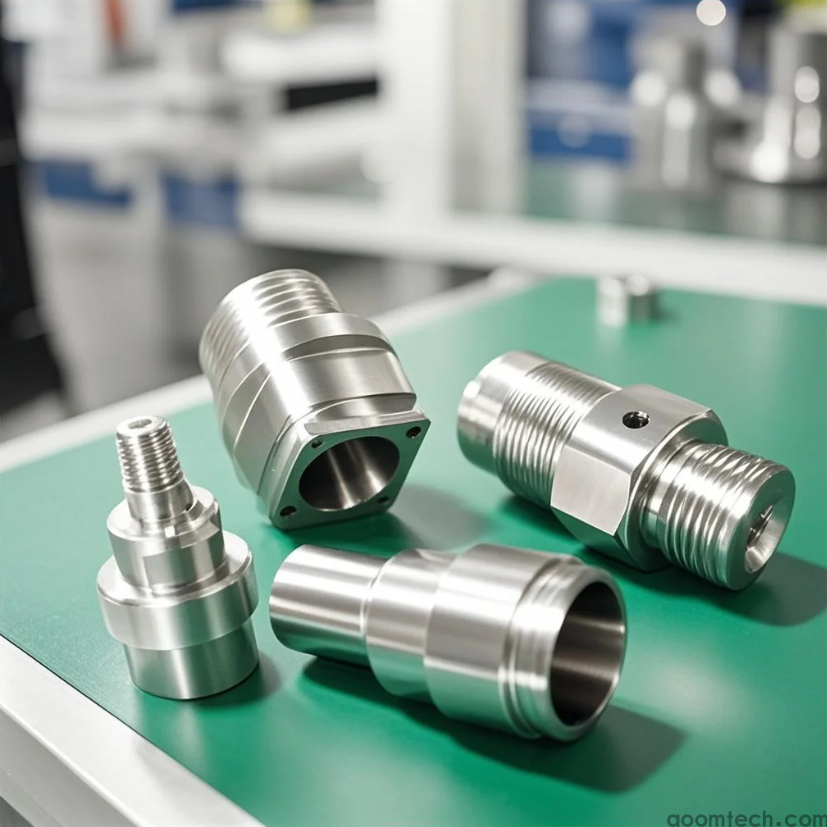
Cosa cercare in un partner di lavorazione CNC ?
Scegliere il negozio giusto è fondamentale. Non si tratta solo di chi offre il prezzo più basso. Hai bisogno di un partner di cui ti puoi fidare. Dalla mia esperienza, i migliori risultati provengono da negozi che fanno molte domande - dimostra che sono impegnati e pensano criticamente al tuo progetto.
Ecco alcune cose da tenere a mente:
- La comunicazione è fondamentale: Rispondono prontamente e chiaramente?
- Competenze tecniche: Possono spiegare il processo e offrire suggerimenti?
- Assicurazione di qualità: Parlano del loro processo di ispezione?
- Portfolio & Esperienza: Hanno già fatto parti simili?
Ricorda, l'obiettivo è costruire una relazione, non solo completare una singola transazione. Questo focus su long-term collaboration and consistent quality is perhaps the most critical factor for businesses that rely on a steady supply of precision parts.
 Come calcolare il costo di lavorazione CNC
Come garantire la precisione nelle parti lavorate a CNC
Piccolo lotto di parti di precisione Produttore di lavorazio
Quali fattori influenzano il preventivo di lavorazione CNC?
Come calcolare il costo di lavorazione CNC
Come garantire la precisione nelle parti lavorate a CNC
Piccolo lotto di parti di precisione Produttore di lavorazio
Quali fattori influenzano il preventivo di lavorazione CNC?