


Come scegliere un fornitore per la lavorazione CNC di parti in rame
Trovare un'officina che dice di poter lavorare il rame è facile. But finding the *right* partner who truly understands the quirks of copper and can deliver consistent, precision results? That's where the real challenge begins. ? If you're a procurement manager or an engineer tired of dealing with surface scratches, poor tolerances, or unreliable delivery on your copper components, you're asking the perfect question. Let's break down this selection process, step by step.
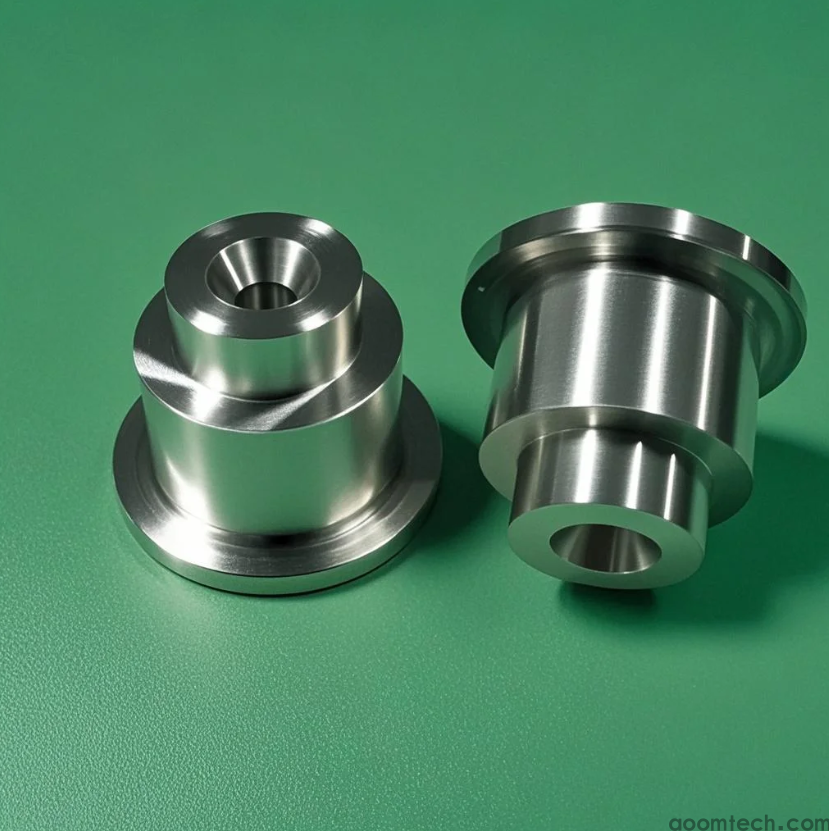
Prima di tutto: perché lavorare il rame è così complicato?
Prima di tuffarci nella scelta, capiamo il "perché". Il rame e le sue leghe (come l'ottone e il bronzo) sono materiali meravigliosi: grande conduttività, resistenza alla corrosione e lavorabilità. However, they can be soft and gummy, which sounds good but can lead to built-up edge on tools, poor surface finish if not handled correctly, and challenges in holding tight tolerances. A supplier who treats copper like steel is a red flag. ?
Passaggio 1: guardare oltre l'elenco delle macchine (valutare la loro esperienza)
Molti fornitori elencheranno le loro macchine CNC. È fondamentale. Devi scavare più a fondo:
• Ask about *specific* experience with copper alloys: "How many projects have you done with C11000 electrolytic copper or C36000 brass?" Real experience matters.
• Inquire about tooling and parameters: Do they use specialized tool geometries or coatings (like diamond-like carbon) for non-ferrous metals? Their answer perhaps hints at their level of sophistication.
• Request case studies or samples: Seeing is believing. A confident supplier can show you finished parts.
La mia opinione: Vedo spesso gli acquirenti over-index sulla marca della macchina. Ma un operatore esperto su una macchina più vecchia può superare un principiante sull'ultimo modello quando si tratta di materiali schizzinosi come il rame.
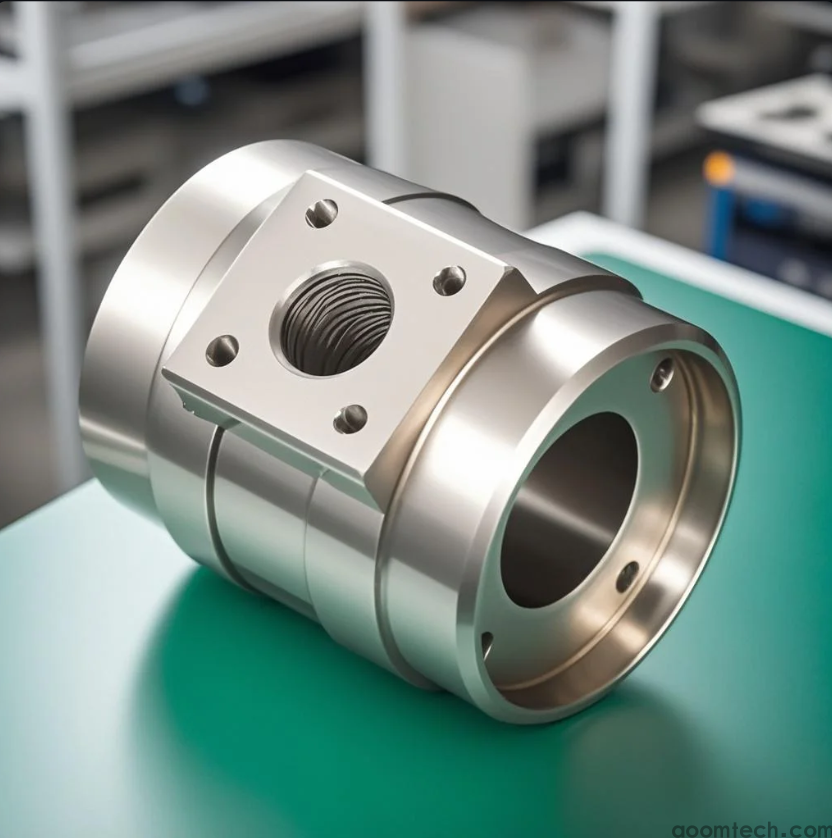
Passo 2: esaminare il loro processo di controllo della qualità
La precisione non è negoziabile. Come la garantiscono?
• First-article inspection (FAI): Do they have a formal process? Will they provide you with inspection reports?
• In-process checks: For longer runs, how do they ensure part 10 is identical to part 1?
• Measurement equipment: Do they have capable tools (like micrometers, CMMs, surface profilometers) to verify the specs *you* care about?
Ecco un suggerimento professionale: Chiedi loro, "What's the most common quality issue you encounter with copper parts, and how do you prevent it?" Their response will tell you volumes about their problem-solving mindset.
Passo 3: Comunicazione e servizio: il make or break
Questo potrebbe essere il passo più importante. Una parte perfetta consegnata in ritardo è inutile. Un piccolo problema che non può essere comunicato chiaramente diventa un grosso problema.
• Responsiveness: Do they answer technical questions clearly and promptly?
• Transparency on challenges: If there's a design for manufacturability (DFM) issue, will they speak up early, or just quote and hope for the best?
• Willingness to collaborate: Are they a true partner for prototyping and refining the design?
Punto di vista personale: Sceglierei un fornitore leggermente più costoso con una comunicazione impeccabile rispetto a uno più economico e silenzioso ogni giorno. I costi nascosti della cattiva comunicazione sono enormi. but speaking of which..., you need to balance cost with all these factors.
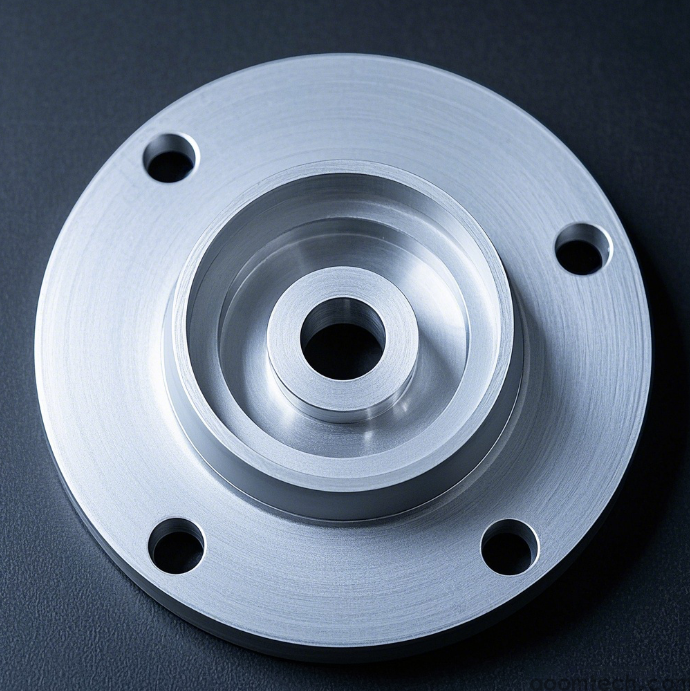
Passo 4: Non fare del prezzo la prima domanda
Abbiamo tutti dei budget. Ma guidare con "quanto per pezzo?" ti mette in una mentalità da merce. Innanzitutto, stabilisce che sono tecnicamente capaci e adatti (passaggi 1-3). Then, discuss pricing. A detailed RFQ with clear drawings, material specs, quantities, and tolerance requirements will get you comparable quotes. Be wary of the quote that's drastically lower than others—it often means a compromise somewhere.
Quindi, e adesso? Hai un framework. La prossima mossa è avviare conversazioni con potenziali partner. Quando sei pronto a discutere il tuo specifico progetto di parti in rame con un fornitore che lo ottiene, il percorso più chiaro è quello di raggiungere direttamente. ? Have your drawings ready and start a conversation with our technical team today. We're here to help you navigate from prototype to production, smoothly.
 Come calcolare il costo di lavorazione CNC
Come garantire la precisione nelle parti lavorate a CNC
Piccolo lotto di parti di precisione Produttore di lavorazio
Quali fattori influenzano il preventivo di lavorazione CNC?
Come calcolare il costo di lavorazione CNC
Come garantire la precisione nelle parti lavorate a CNC
Piccolo lotto di parti di precisione Produttore di lavorazio
Quali fattori influenzano il preventivo di lavorazione CNC?