


CNC 가공 구동축을 위한 최고의 재료: 실용적인 가이드
안녕하세요, 동료 엔지니어와 조달 전문가 여러분! ? 회의에 갇혀서 토론한 적이 있습니다. best material for a CNC machined drive shaft? You know the drill – one team argues for strength, another for cost, and you're left wondering if there's a perfect answer. The truth is, picking the wrong material can lead to premature failure, costly downtime, and a whole lot of headaches. So, let's cut through the noise and figure this out together. What exactly should you be looking for?
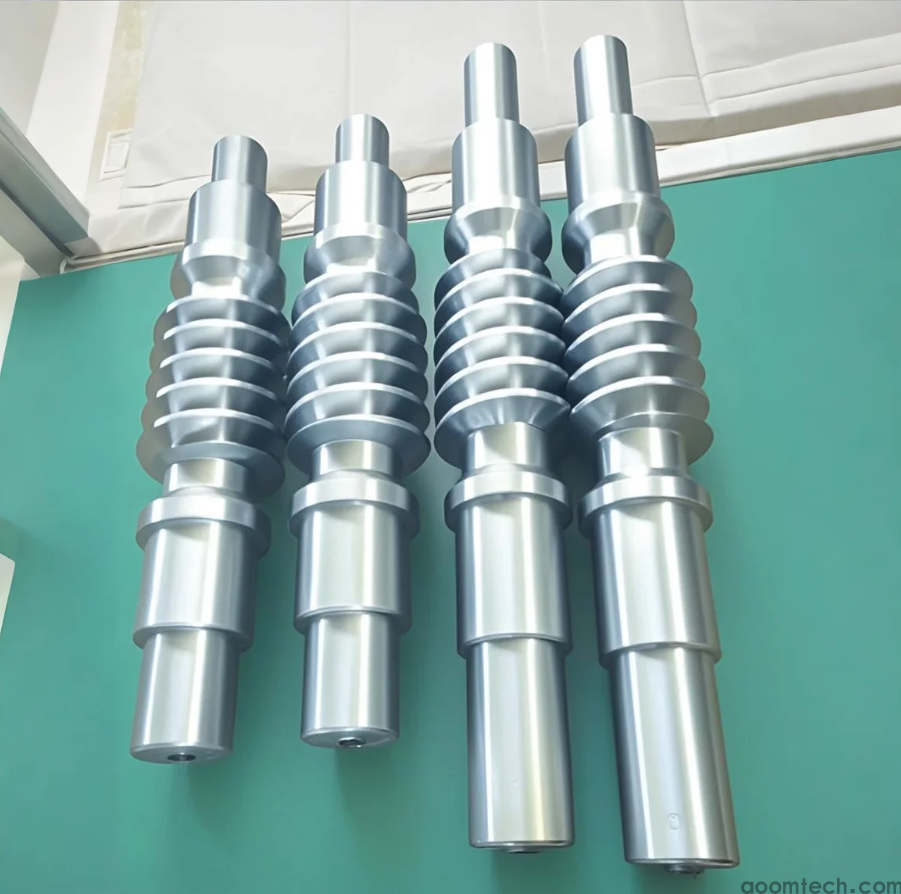
어쨌든 구동축 재료의 큰 문제는 무엇입니까?
구동축을 송전 시스템의 백본이라고 생각하십시오. 단단하지만 부서지기 쉬워야 합니다. 마모에 강하지만 종종 가벼워야 합니다. 우리가 다루고 있는 핵심 질문은 다음과 같습니다. CNC加工传动轴用什么材料好? Or in English, what materials are best? The short answer is: it wildly depends on your application. There's no one-size-fits-all, but some materials are superstar performers for most jobs. We'll dive into those now.
상위 경쟁자: 합금 강철(414 또는 434처럼)
우리가 일꾼에 대해 이야기하고 있다면 합금 강철입니다. 나는 이것이 사용된 것을 본다. all the time.
좋은 이유:
• Super strong and tough: It handles high torque and shock loads like a champion.
• Great wear resistance: It lasts a long time, even in tough conditions.
• Cost-effective: Generally offers a good balance of performance and price.
주의:
• 무겁기 때문에 무게가 큰 응용 분야(예: 항공 우주)에는 적합하지 않습니다.
• It can rust if not properly coated or treated.
내 테이크? 대부분의 산업 기계, 중장비 및 자동차 응용 분야에서는 alloy steel is the default starting point. It's a safe, reliable bet. The specific heat treatment process, however, can drastically change its properties, and that's an area where the exact science can get pretty complex.
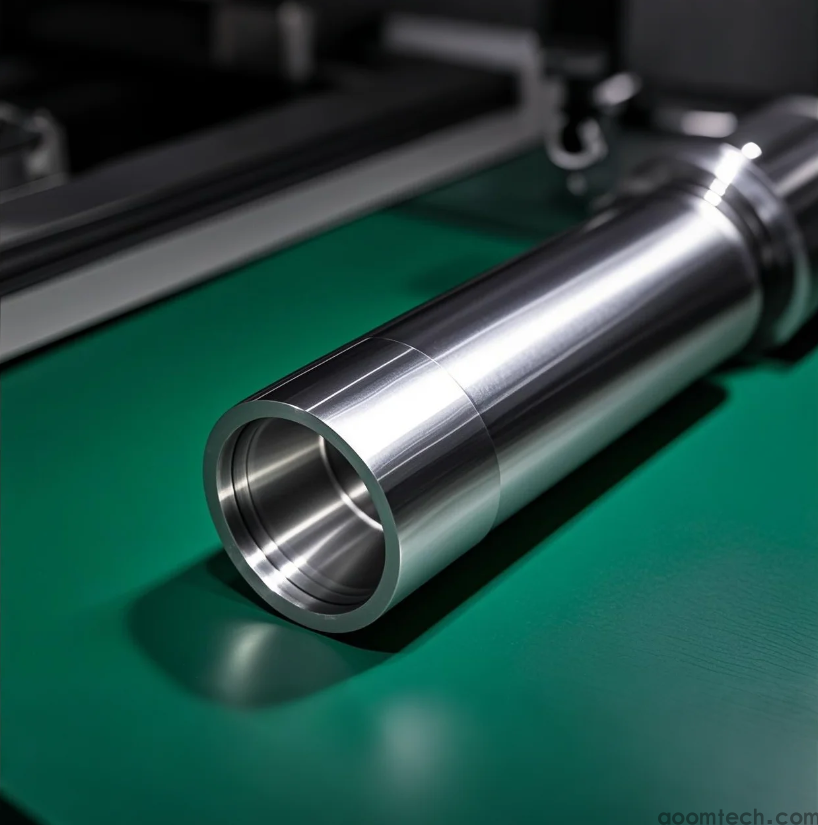
라이트급 챔피언: 알루미늄(6061 또는 7075처럼)
기계에 가볍고 빠른 무언가가 필요합니까? 알루미늄은 당신의 친구입니다.
좋은 이유:
• Super lightweight: Crucial for drones, racing vehicles, and high-speed spindles.
• Good strength-to-weight ratio: 7075 aluminum, for instance, has strength close to some steels.
• Corrosion resistant: It forms a protective oxide layer naturally.
주의:
• 강철만큼 강하지 않으므로 높은 토크의 무거운 용도에 적합하지 않습니다.
• It can fatigue over time under repeated stress.
알루미늄 프로토타입은 기계가 빠르고 테스트하기 쉽기 때문에 자주 사용합니다. 그러나 타격을 받아야 하는 최종 제품의 경우 다른 곳을 찾아야 할 수도 있습니다.
부식 전투기: 스테인리스 스틸(304 또는 316 등)
습식 또는 화학 환경에서 작업합니까? 스테인리스 스틸이 올라갑니다.
좋은 이유:
• Excellent corrosion resistance: Perfect for food processing, marine, or chemical industries.
• Good strength and hardness: It's certainly no slouch in the performance department.
주의:
• More expensive than alloy steels.
• It can be a bit gummy and tougher on cutting tools during the CNC machining process.
스테인리스는 녹에 저항하는 데는 환상적이지만, 침전층 뒤에 있는 메커니즘은 제가 자세히 설명할 자격이 없는 것입니다. 그냥 효과가 있어요! ? 하지만 효과가 있는 것에 대해 말하자면, 조용히 빛나는 또 다른 옵션이 있습니다.
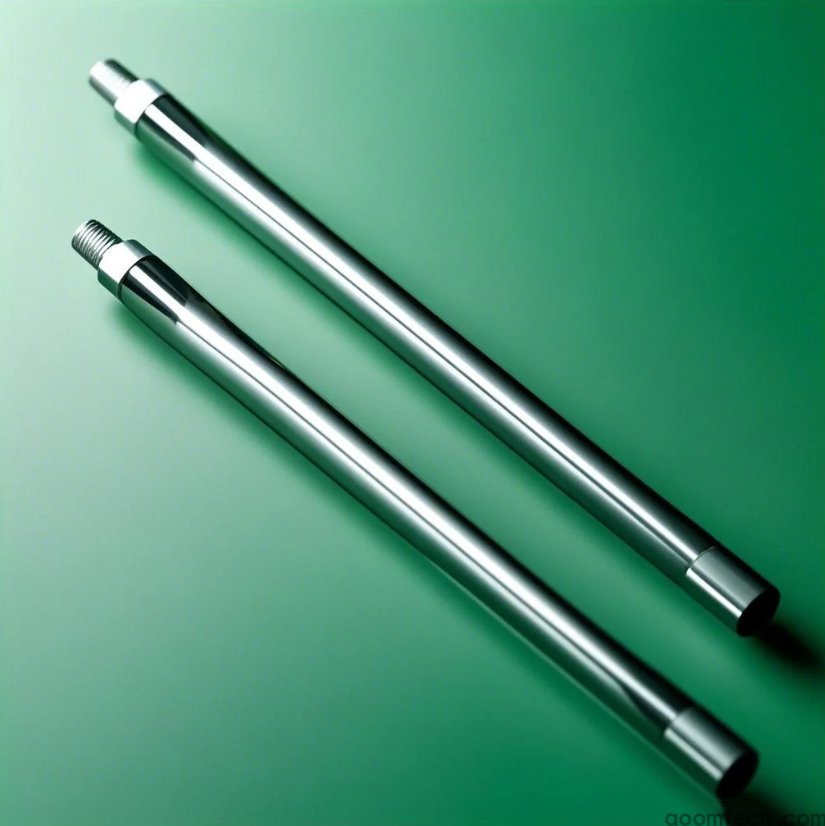
전문가: 티타늄(5등급 또는 Ti-6Al-4V처럼)
궁극의 것이 필요할 때 combination of strength, lightness, and corrosion resistance, titanium is the answer. But it comes at a price.
좋은 이유:
• 놀라운 강도 대 중량 비율.
• 생체적합성 및 내식성이 높습니다.
주의:
• Very high cost for both material and machining.
• Challenging to machine, requiring specialized tools and expertise.
최고급 항공 우주, 의료용 임플란트 및 고성능 레이싱에서 찾을 수 있습니다. Perhaps it's not an overstatement to say that for the most demanding applications, titanium is unbeatable. But for the other 95% of projects, the previous options are more than enough.
그렇다면 실제로 어떻게 선택할까요?
"최고의" 재료만 선택하지 마십시오. right one. Ask yourself these questions:
• What are the torque and load requirements? (This points you to strength needs)
• Is weight a critical factor? (This decides the strength-to-weight ratio focus)
• What environment will it operate in? (Wet, dry, chemical? This dictates corrosion resistance)
• What's the budget? (This is the reality check!)
내 경험으로 볼 때, 잘 선택된 사람 alloy steel often provides the best value for general engineering. However, the rise of compact, high-performance robotics is pushing more designers towards advanced aluminum alloys and even composites, though that's a topic for another day. The landscape of available materials is always shifting, and what was ideal a decade ago might be surpassed by something new tomorrow.
 CNC 가공에서 연성 소재가 뒤틀리는 것을 방지하는 방법: 실용적인 가이드
신뢰할 수 있는 CNC 머시닝 서비스를 선택하는 방법: 구매자를 위한 실용적인 가이드
신뢰할 수 있는 완전 자동 CNC 가공 공급업체를 선택하는 방법: 실용적인 가이드
고정밀 블리스터 알루미늄 몰드 CNC 가공을 위한 신뢰할 수 있는 파트너를 찾는 방법
CNC 가공에서 연성 소재가 뒤틀리는 것을 방지하는 방법: 실용적인 가이드
신뢰할 수 있는 CNC 머시닝 서비스를 선택하는 방법: 구매자를 위한 실용적인 가이드
신뢰할 수 있는 완전 자동 CNC 가공 공급업체를 선택하는 방법: 실용적인 가이드
고정밀 블리스터 알루미늄 몰드 CNC 가공을 위한 신뢰할 수 있는 파트너를 찾는 방법