


CNC 가공이 얼마나 정확할 수 있습니까? 구매자를 위한 실용적인 가이드
맞지 않는 부품들을 받은 적이 있나요? ? 부품이 비스펙이기 때문에 프로젝트가 보류될 때 가라앉는 느낌. 만약 여러분이 구매 관리자나 엔지니어라면, 여러분은 정밀도가 단지 좋은 것이 아니라 기능적인 제품의 기반이라는 것을 알고 있습니다. 그래서, 여러분이 소싱을 할 때 CNC high-precision parts, the burning question is: just how accurate can this process really get? Let's cut through the marketing fluff and talk real numbers and practical realities.
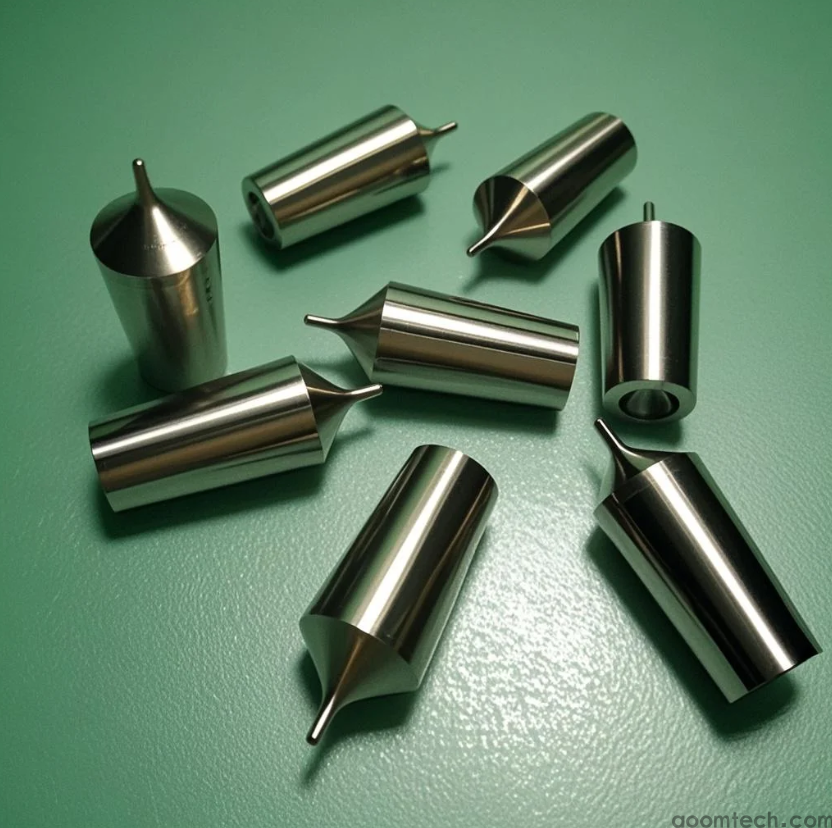
CNC 가공에서 "정확성"은 무엇을 의미합니까?
우선, 용어로 얽히기 쉽습니다. 사람들은 종종 "정확성"과 "정밀성"을 같은 것처럼 사용하지만, 중요한 차이가 있습니다. 이렇게 생각하십시오. Accuracy is about hitting the bullseye. If you aim for a dimension of 25.000 mm, an accurate machine will get you very close to that. Precision, on the other hand, is about doing it consistently. If you shoot ten arrows and they all land in the same spot—even if it's not the bullseye—that's precision. For CNC high-precision parts, we need both. We need to hit the target dimension and do it over and over, part after part.
그렇다면 우리가 기대할 수 있는 실제 관용은 무엇일까요?
좋아, 그것의 핵심으로 가자. 대부분의 표준에 대해 CNC machining services, a common tolerance to expect is around ±.005 inches or ±.125 millimeters. That's pretty good for a vast majority of applications. But when we talk about high-precision CNC work, things get tighter. It's not uncommon to achieve tolerances of ±.0005 inches (±.0127 mm) or even tighter under controlled conditions.
그러나 이것이 마법의 숫자가 아니라는 것을 아는 것은 매우 중요합니다. 실제 달성 가능한 공차는 여러 요인에 크게 좌우됩니다. 재료 유형, 부품의 크기, 가공 중인 특정 기능 및 작업장의 온도까지 역할을 할 수 있습니다. 따라서 이러한 초강력 숫자는 가능하지만 특정 부품 기하학에서는 가능하지 않을 수 있습니다.
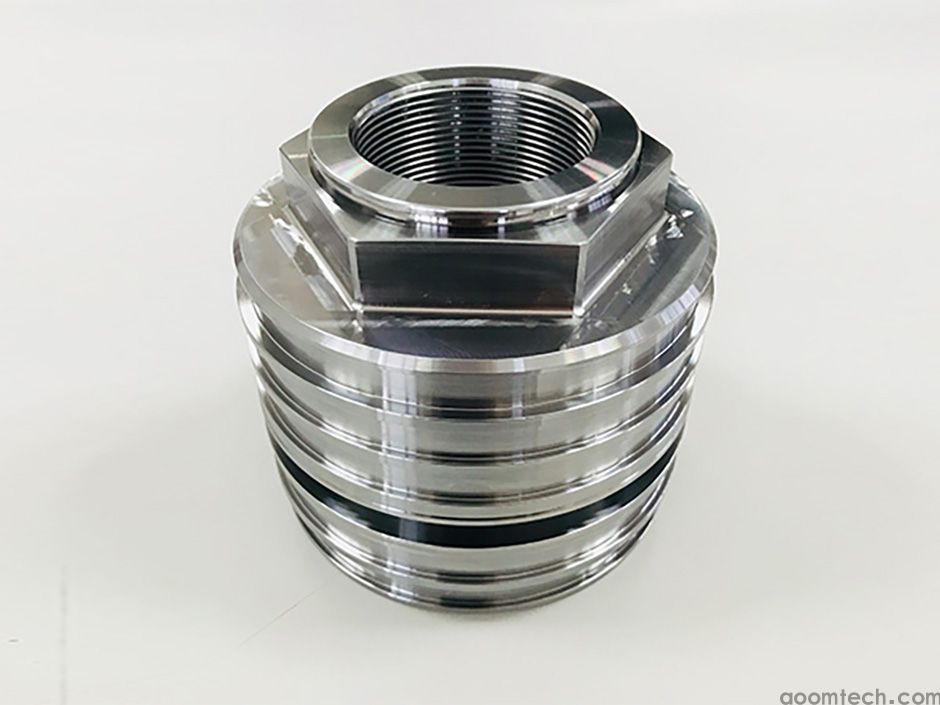
CNC 정확성을 망치는 요소는 무엇입니까?
부품을 주문하고 최상의 것을 바랄 수는 없습니다. 정확성에 영향을 미치는 것이 무엇인지 알면 공급업체와 더 현명한 대화를 나눌 수 있습니다. 다음은 중요한 사항입니다.
- ?️ The Machine Itself: An older, worn-out machine will naturally have more play and vibration than a well-maintained, modern one.
- ?️ Thermal Expansion: This is a huge one that's often overlooked. Metal expands when it gets hot. The heat from the cutting process itself can cause the part to grow, throwing dimensions off. Good shops have climate control and even use coolant to manage this.
- ? Tooling and Fixturing: A dull cutting tool or a part that isn't clamped down securely will definitely hurt your precision. It seems basic, but it's where many errors start.
그러나 이것은 큰 문제입니다. 각 요소가 주어진 재료에 얼마나 기여하는지에 대한 구체적인 메커니즘은 전문가들조차 토론하는 복잡한 퍼즐이 될 수 있습니다. 도구 경로, 스핀들 속도 및 재료 경도 사이의 정확한 상호 작용은 때때로 과학이라기보다는 예술처럼 느껴집니다.
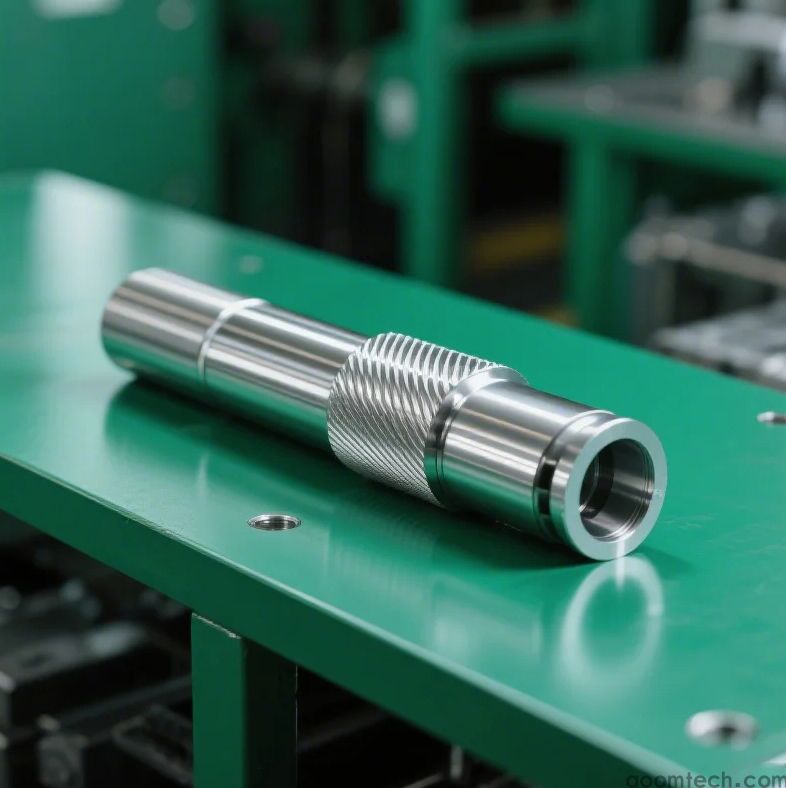
구매자로서 어떻게 정확한 부품을 얻을 수 있습니까?
이게 정말 중요한 부분이죠, 그렇죠? 이것은 단지 숫자를 아는 것이 아니라, 여러분의 수신 도크에서 좋은 부품을 얻는 것입니다. 할 수 있는 일은 다음과 같습니다.
- ? Communicate Clearly (and Early!): Don't just put a tolerance on every single dimension on your drawing. That drives cost up. Identify the critical features that must be ultra-precise and call those out specifically. For non-critical areas, let them use a standard tolerance.
- ? Choose the Right Partner: Look for a machine shop that talks to you about these factors. If they ask about the part's function and discuss potential challenges, that's a great sign. If they just say "yes, we can do anything," be cautious.
- ? Ask About Their Process: Inquire about their quality control. Do they use first-article inspection? Do they have CMMs (Coordinate Measuring Machines) to verify complex parts? Their answers will tell you a lot.
내 경험으로 볼 때, 나는 가장 투명한 상점들을 발견했다. challenges of holding a tight tolerance are often the ones most capable of delivering on it. They're the ones thinking about the problem, not just running the machine.
타이터가 항상 더 나은가요? 마지막 생각
더 나은 부분을 보장한다고 생각하면서 가능한 한 가장 엄격한 허용오차를 지정하는 것은 유혹적입니다. 그러나 다음은 내부자 의견입니다. unnecessarily tight tolerances can be a trap. They skyrocket your costs, increase production time, and can even lead to more scrap if the process isn't perfectly stable. The real goal is to define the widest acceptable tolerance that still allows your product to function flawlessly. This balance is the key to cost-effective and reliable high-precision part sourcing. Achieving that perfect balance between cost and performance, now that's the real art of manufacturing.
 CNC 가공에서 연성 소재가 뒤틀리는 것을 방지하는 방법: 실용적인 가이드
신뢰할 수 있는 CNC 머시닝 서비스를 선택하는 방법: 구매자를 위한 실용적인 가이드
신뢰할 수 있는 완전 자동 CNC 가공 공급업체를 선택하는 방법: 실용적인 가이드
고정밀 블리스터 알루미늄 몰드 CNC 가공을 위한 신뢰할 수 있는 파트너를 찾는 방법
CNC 가공에서 연성 소재가 뒤틀리는 것을 방지하는 방법: 실용적인 가이드
신뢰할 수 있는 CNC 머시닝 서비스를 선택하는 방법: 구매자를 위한 실용적인 가이드
신뢰할 수 있는 완전 자동 CNC 가공 공급업체를 선택하는 방법: 실용적인 가이드
고정밀 블리스터 알루미늄 몰드 CNC 가공을 위한 신뢰할 수 있는 파트너를 찾는 방법