


Bagaimana Memilih Pembekal untuk Bahagian Tembaga Pemesinan CNC
Mencari bengkel yang mengatakan mereka boleh mesin tembaga adalah mudah. But finding the *right* partner who truly understands the quirks of copper and can deliver consistent, precision results? That's where the real challenge begins. ? If you're a procurement manager or an engineer tired of dealing with surface scratches, poor tolerances, or unreliable delivery on your copper components, you're asking the perfect question. Let's break down this selection process, step by step.
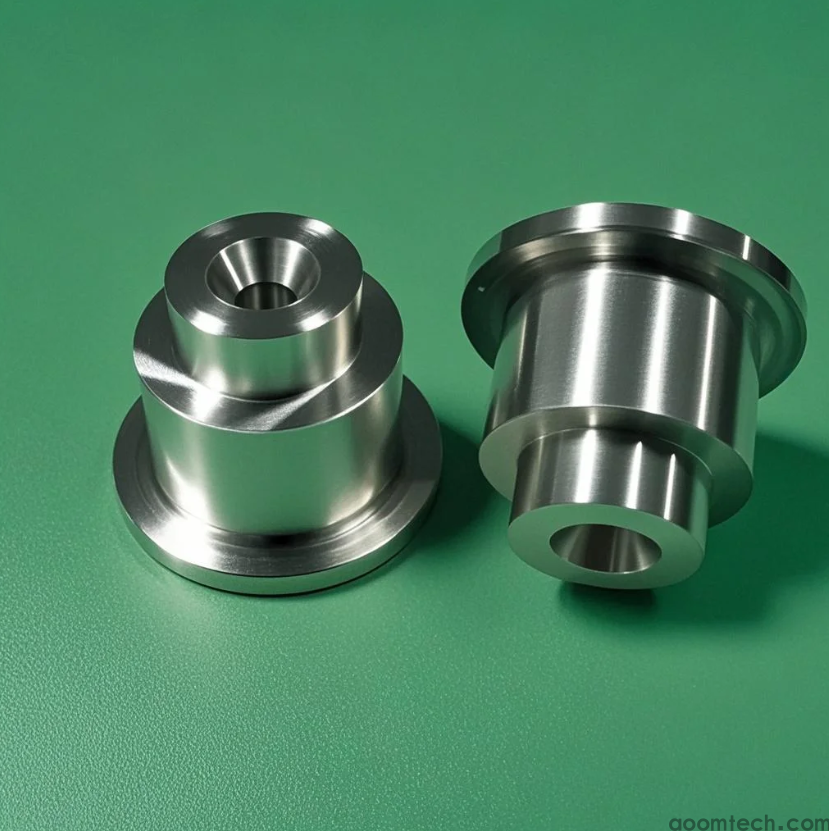
Perkara Pertama Diutamakan: Mengapa Pemesinan Tembaga Sangat Rumit?
Sebelum kita menyelami pilihan, mari kita fahami "mengapa". Tembaga dan aloinya (seperti loyang dan gangsa) adalah bahan yang menarik - kekonduksian yang hebat, rintangan kakisan dan kebolehmesinan. However, they can be soft and gummy, which sounds good but can lead to built-up edge on tools, poor surface finish if not handled correctly, and challenges in holding tight tolerances. A supplier who treats copper like steel is a red flag. ?
Langkah 1: Lihat Di Luar Senarai Mesin (Nilaikan Kepakaran Mereka)
Banyak pembekal akan menyenaraikan mesin CNC mereka. Itu asas. Anda perlu menggali lebih dalam:
• Ask about *specific* experience with copper alloys: "How many projects have you done with C11000 electrolytic copper or C36000 brass?" Real experience matters.
• Inquire about tooling and parameters: Do they use specialized tool geometries or coatings (like diamond-like carbon) for non-ferrous metals? Their answer perhaps hints at their level of sophistication.
• Request case studies or samples: Seeing is believing. A confident supplier can show you finished parts.
Pengambilan saya: Saya sering melihat pembeli terlebih indeks pada jenama mesin. Tetapi pengendali berpengalaman pada mesin yang lebih lama boleh mengatasi orang baru pada model terkini apabila ia berkaitan dengan bahan rumit seperti tembaga.
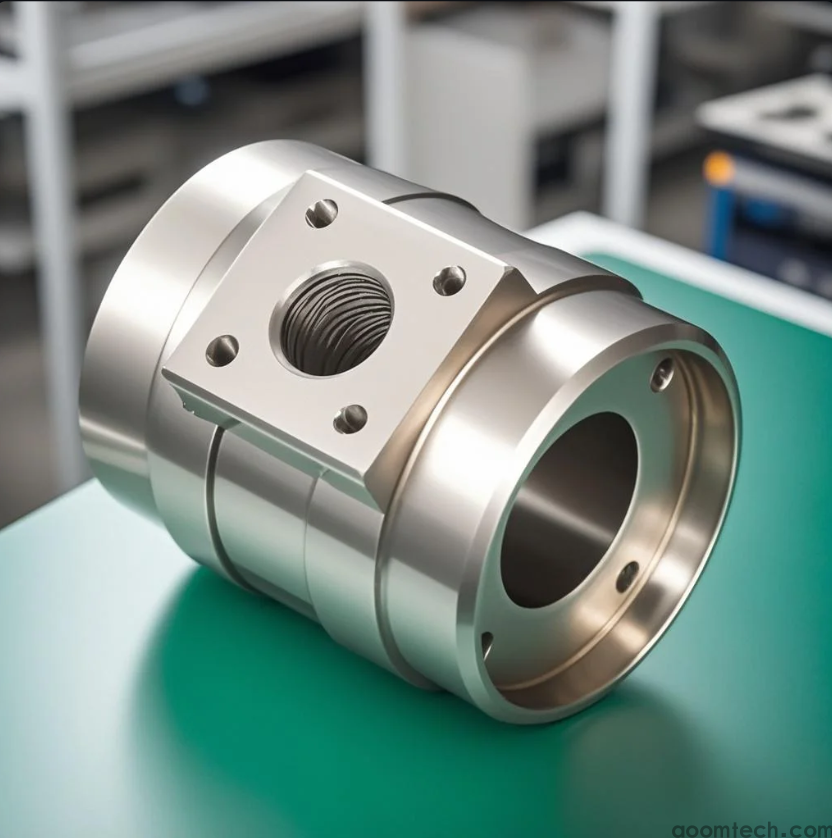
Langkah 2: Meneliti Proses Kawalan Kualitinya
Ketepatan tidak boleh dirunding. Bagaimana mereka menjaminnya?
• First-article inspection (FAI): Do they have a formal process? Will they provide you with inspection reports?
• In-process checks: For longer runs, how do they ensure part 10 is identical to part 1?
• Measurement equipment: Do they have capable tools (like micrometers, CMMs, surface profilometers) to verify the specs *you* care about?
Berikut adalah tip pro: Tanya mereka, "What's the most common quality issue you encounter with copper parts, and how do you prevent it?" Their response will tell you volumes about their problem-solving mindset.
Langkah 3: Komunikasi dan Perkhidmatan - Buat atau Pecah
Ini mungkin langkah yang paling penting. Bahagian yang sempurna dihantar lewat tidak berguna. Isu kecil yang tidak dapat dikomunikasikan jelas menjadi masalah besar.
• Responsiveness: Do they answer technical questions clearly and promptly?
• Transparency on challenges: If there's a design for manufacturability (DFM) issue, will they speak up early, or just quote and hope for the best?
• Willingness to collaborate: Are they a true partner for prototyping and refining the design?
Pandangan peribadi: Saya akan memilih pembekal yang lebih mahal sedikit dengan komunikasi yang sempurna berbanding pembekal yang lebih murah dan senyap pada bila-bila masa. Kos tersembunyi salah komunikasi adalah sangat besar. but speaking of which..., you need to balance cost with all these factors.
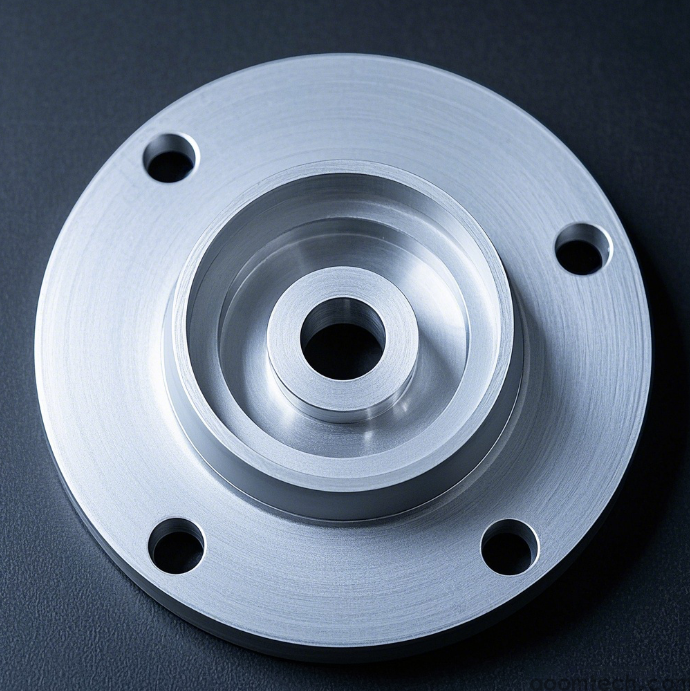
Langkah 4: Jangan Buat Harga Soalan Pertama
Kita semua mempunyai belanjawan. Tetapi memimpin dengan "berapa banyak setiap bahagian?" meletakkan anda dalam minda komoditi. Pertama, pastikan mereka berkemampuan secara teknikal dan sesuai (Langkah 1-3). Then, discuss pricing. A detailed RFQ with clear drawings, material specs, quantities, and tolerance requirements will get you comparable quotes. Be wary of the quote that's drastically lower than others—it often means a compromise somewhere.
Jadi, apa sekarang? Anda mempunyai rangka kerja. Langkah seterusnya ialah memulakan perbualan dengan bakal rakan kongsi. Apabila anda bersedia untuk membincangkan projek bahagian tembaga khusus anda dengan pembekal yang mendapatnya, laluan paling jelas ialah menghubungi secara langsung. ? Have your drawings ready and start a conversation with our technical team today. We're here to help you navigate from prototype to production, smoothly.
 Apakah Julat Harga Bahagian Mesin CNC (Aluminium, Keluli Tah
Syarikat Pemesinan CNC mana yang hendak Dipilih? Analisis Ke
Kaedah Kawalan Ketepatan Pemesinan CNC & Proses Pemesinan CN
Pemesinan Keluli Tahan Karat CNC: Bagaimana Menetapkan Param
Apakah Julat Harga Bahagian Mesin CNC (Aluminium, Keluli Tah
Syarikat Pemesinan CNC mana yang hendak Dipilih? Analisis Ke
Kaedah Kawalan Ketepatan Pemesinan CNC & Proses Pemesinan CN
Pemesinan Keluli Tahan Karat CNC: Bagaimana Menetapkan Param