


Beste materialen voor CNC-bewerking Aandrijfassen: een praktische gids
Hallo daar, collega-ingenieurs en inkoopprofessionals! 👋 Ooit vastgelopen in een vergadering, debatterend over de best material for a CNC machined drive shaft? You know the drill – one team argues for strength, another for cost, and you're left wondering if there's a perfect answer. The truth is, picking the wrong material can lead to premature failure, costly downtime, and a whole lot of headaches. So, let's cut through the noise and figure this out together. What exactly should you be looking for?
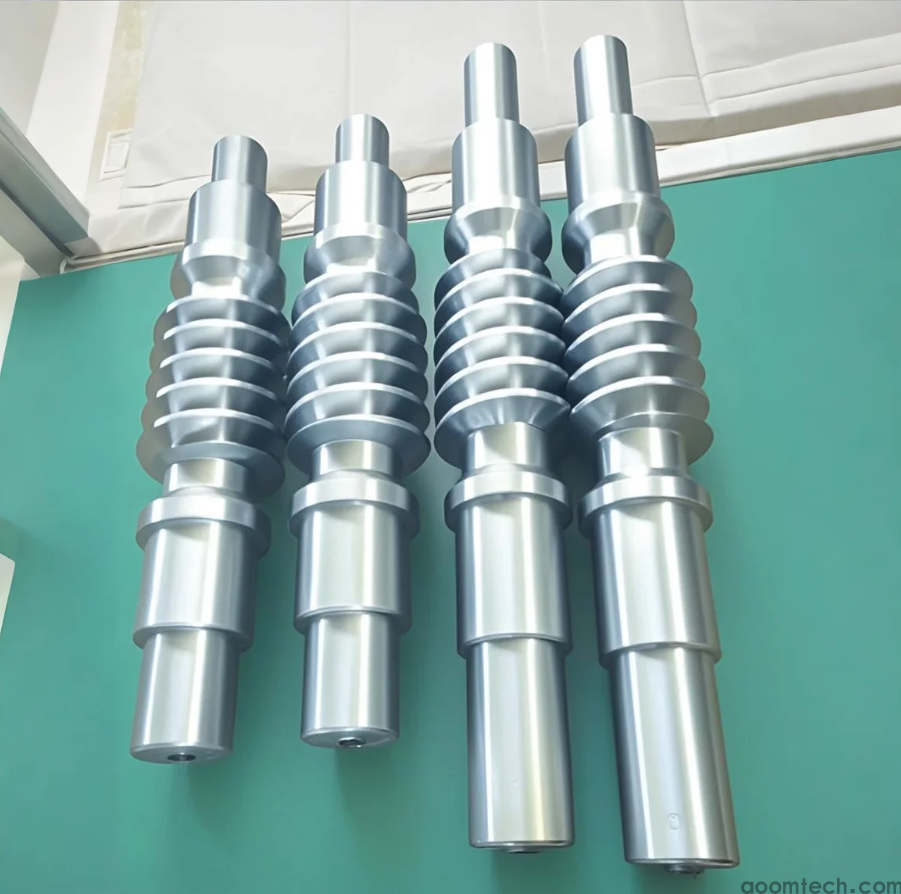
Wat is het probleem met aandrijfasmaterialen eigenlijk?
Beschouw de aandrijfas als de ruggengraat van uw krachtoverbrengingssysteem. Het moet stevig zijn, maar niet broos; bestand tegen slijtage, maar moet vaak lichtgewicht zijn. De kernvraag die we aanpakken is: CNC加工传动轴用什么材料好? Or in English, what materials are best? The short answer is: it wildly depends on your application. There's no one-size-fits-all, but some materials are superstar performers for most jobs. We'll dive into those now.
Hoogste Contender: Legeringsstaal (zoals 414 of 434)
Als we het over een werkpaard hebben, is gelegeerd staal het. Ik zie dit gebruikt all the time.
Waarom het geweldig is:
• Super strong and tough: It handles high torque and shock loads like a champion.
• Great wear resistance: It lasts a long time, even in tough conditions.
• Cost-effective: Generally offers a good balance of performance and price.
Kijk uit voor:
• Het is zwaar, dus niet ideaal voor toepassingen waar gewicht een grote zorg is (zoals ruimtevaart).
• It can rust if not properly coated or treated.
Mijn take? Voor de meeste industriële machines, zwaar materieel en autotoepassingen, alloy steel is the default starting point. It's a safe, reliable bet. The specific heat treatment process, however, can drastically change its properties, and that's an area where the exact science can get pretty complex.
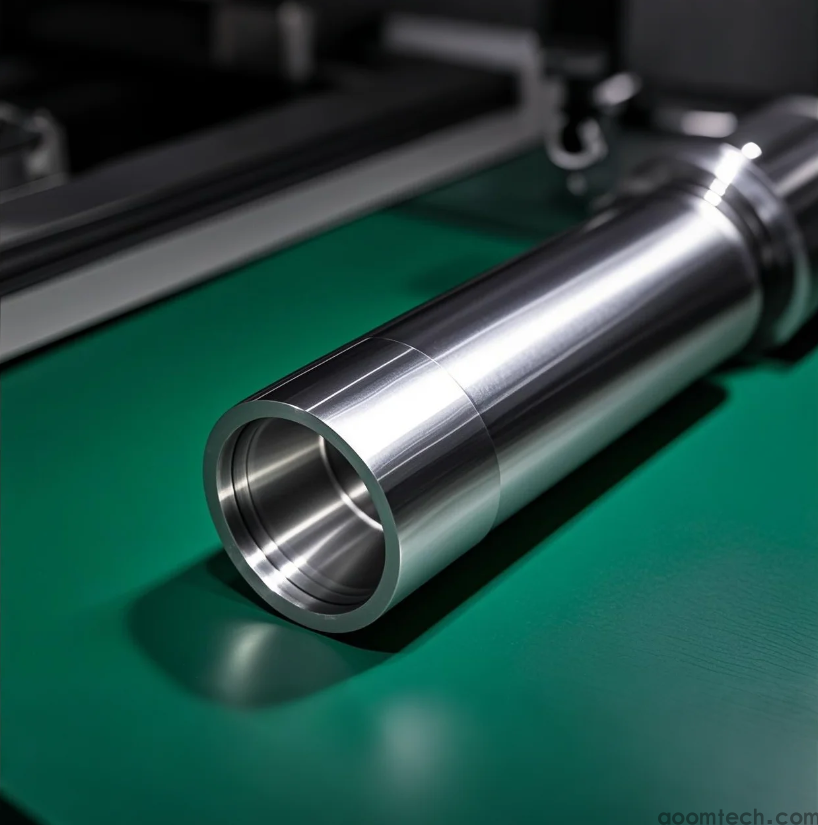
De lichtgewicht kampioen: aluminium (zoals 6061 of 7075)
Iets lichts en snel nodig om te bewerken? Aluminium is je vriend.
Waarom het geweldig is:
• Super lightweight: Crucial for drones, racing vehicles, and high-speed spindles.
• Good strength-to-weight ratio: 7075 aluminum, for instance, has strength close to some steels.
• Corrosion resistant: It forms a protective oxide layer naturally.
Kijk uit voor:
• Niet zo sterk als staal, dus niet geschikt voor zware toepassingen met een hoog koppel.
• It can fatigue over time under repeated stress.
Ik gebruik vaak aluminium prototypes omdat ze snel te bewerken zijn en gemakkelijk te testen zijn. Maar voor een eindproduct dat tegen een stootje moet, moet je misschien ergens anders zoeken.
De corrosiebestrijder: roestvrij staal (zoals 304 of 316)
Werken in een natte of chemische omgeving? Roestvrij staal treedt op.
Waarom het geweldig is:
• Excellent corrosion resistance: Perfect for food processing, marine, or chemical industries.
• Good strength and hardness: It's certainly no slouch in the performance department.
Kijk uit voor:
• More expensive than alloy steels.
• It can be a bit gummy and tougher on cutting tools during the CNC machining process.
Hoewel roestvrij staal fantastisch is om roest te weerstaan, is het mechanisme achter de passiveringslaag iets dat ik niet volledig gekwalificeerd ben om in detail uit te leggen. Het werkt gewoon! 😅 Maar over dingen gesproken die werken, is er nog een andere optie die rustig briljant is.
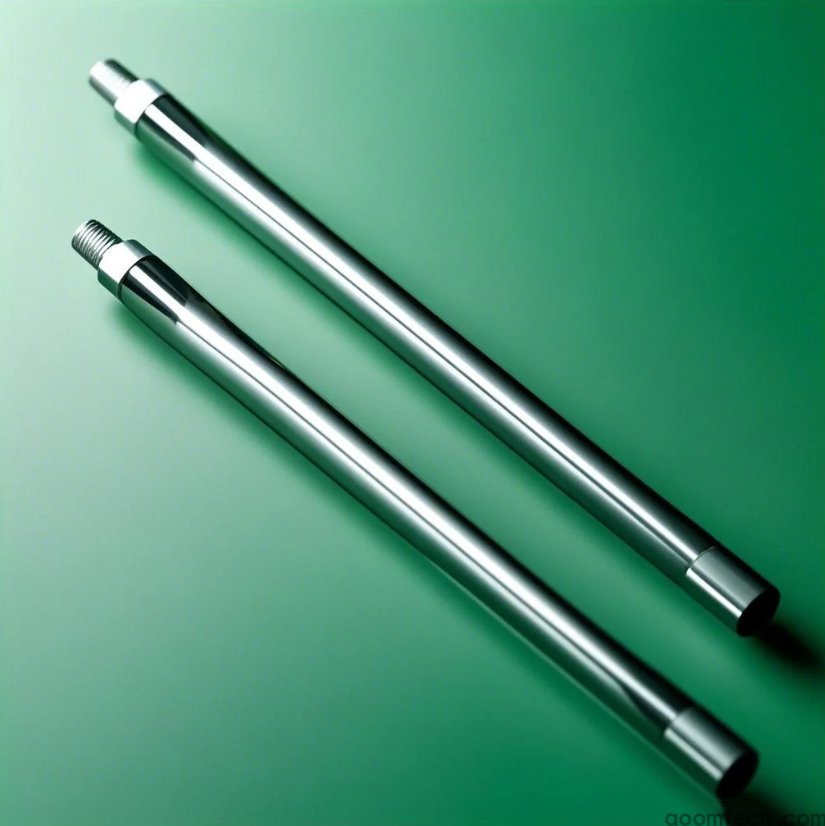
De Specialist: Titanium (zoals Rang 5 of Ti-6Al-4V)
Wanneer je het ultieme nodig hebt combination of strength, lightness, and corrosion resistance, titanium is the answer. But it comes at a price.
Waarom het geweldig is:
• Ongelooflijke kracht-gewichtsverhouding.
• Biocompatibel en zeer corrosiebestendig.
Kijk uit voor:
• Very high cost for both material and machining.
• Challenging to machine, requiring specialized tools and expertise.
Je vindt dit in de beste ruimtevaart, medische implantaten en racen met hoge prestaties. Perhaps it's not an overstatement to say that for the most demanding applications, titanium is unbeatable. But for the other 95% of projects, the previous options are more than enough.
Dus, hoe kies je eigenlijk?
Kies niet alleen het "beste" materiaal. Kies de right one. Ask yourself these questions:
• What are the torque and load requirements? (This points you to strength needs)
• Is weight a critical factor? (This decides the strength-to-weight ratio focus)
• What environment will it operate in? (Wet, dry, chemical? This dictates corrosion resistance)
• What's the budget? (This is the reality check!)
Uit mijn ervaring, een goed gekozen alloy steel often provides the best value for general engineering. However, the rise of compact, high-performance robotics is pushing more designers towards advanced aluminum alloys and even composites, though that's a topic for another day. The landscape of available materials is always shifting, and what was ideal a decade ago might be surpassed by something new tomorrow.
 Hoe CNC-bewerkingskosten te berekenen
Hoe Precisie te verzekeren in CNC bewerkte onderdelen
Kleine partij Precisiedelen CNC die Fabrikant machinaal bewe
Welke factoren beïnvloeden CNC-bewerking citaat?
Hoe CNC-bewerkingskosten te berekenen
Hoe Precisie te verzekeren in CNC bewerkte onderdelen
Kleine partij Precisiedelen CNC die Fabrikant machinaal bewe
Welke factoren beïnvloeden CNC-bewerking citaat?