


Precisie CNC-bewerking Productie: wat is het en waarom is het belangrijk voor uw project?
Ooit een ontwerp gestuurd voor productie, alleen om onderdelen terug te krijgen die dat wel zijn just slightly off? ? That tiny gap, that imperfect fit – it can throw your entire project timeline and budget into chaos. If you're a procurement manager or an engineer, you know this headache all too well. This is where understanding Precision CNC Machining Manufacturing becomes not just useful, but absolutely critical. Let's break down what it really is and why it might be the key to your next project's success.
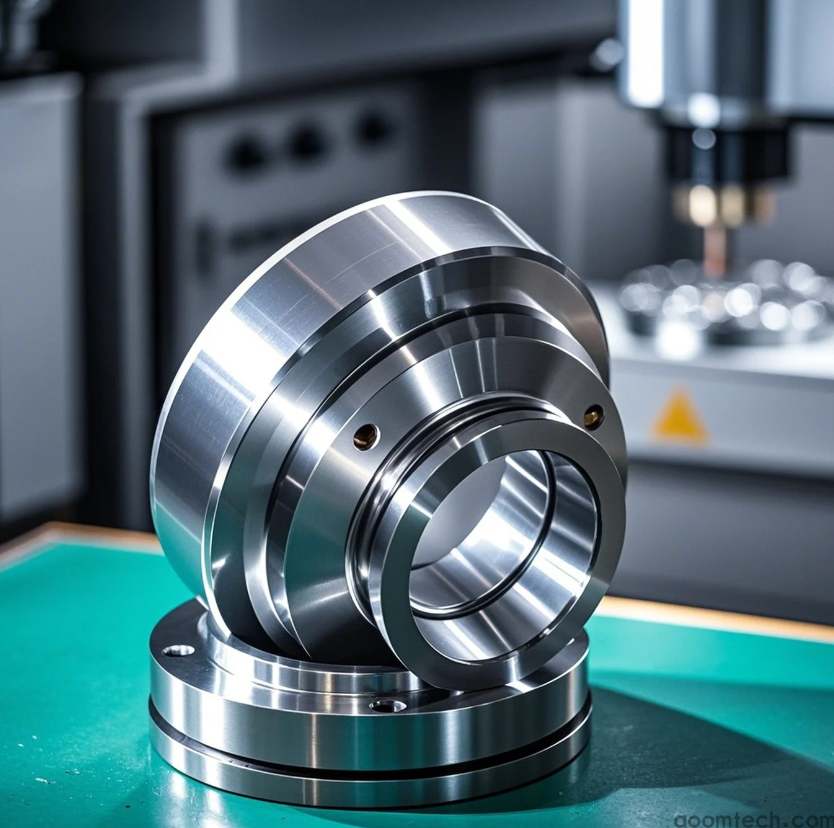
Wat is Precisie CNC-bewerking precies?
In de kern is precisie CNC-bewerking een manier om onderdelen te maken waarbij computers de gereedschappen met ongelooflijke nauwkeurigheid begeleiden. Zie het als een superbekwame beeldhouwer, maar een die digitale instructies tot op de micron volgt, zonder ooit moe te worden of een willekeurige fout te maken. Het draait allemaal om het nemen van een blok materiaal - zoals metaal of plastic - en carving away at it with extreme precision to create a final part that matches the digital design perfectly.
Hoewel dit eenvoudig klinkt, is het "precisie" -gedeelte wat het onderscheidt van standaardbewerking. Het is het verschil tussen iets dat "ongeveer goed" is en iets dat fits perfectly every single time.
Waarom zou u zich zorgen maken over toleranties?
Als je je hier één ding van herinnert, laat het dan zijn "tolerances." This is just a fancy word for the allowed amount of variation in a part's dimensions. A tighter tolerance means the part has to be much closer to the exact specified size.
Bijvoorbeeld:
• Een tolerantie van ± .1mm is vrij gebruikelijk en minder streng.
• A tolerance of ±.025mm is much tighter and requires high precision.
• Some industries, like aerospace or medical, demand tolerances as tight as ±.005mm or even less! ?
Hier is het ding echter: het aanvragen van extreem strakke toleranties wanneer u ze niet echt nodig heeft, kan unnecessarily drive up your costs. The specific relationship between tolerance levels, material choice, and final cost is an area where my knowledge gets a bit fuzzy, and it often depends on the project details. So, it's always a good conversation to have with your manufacturing partner.
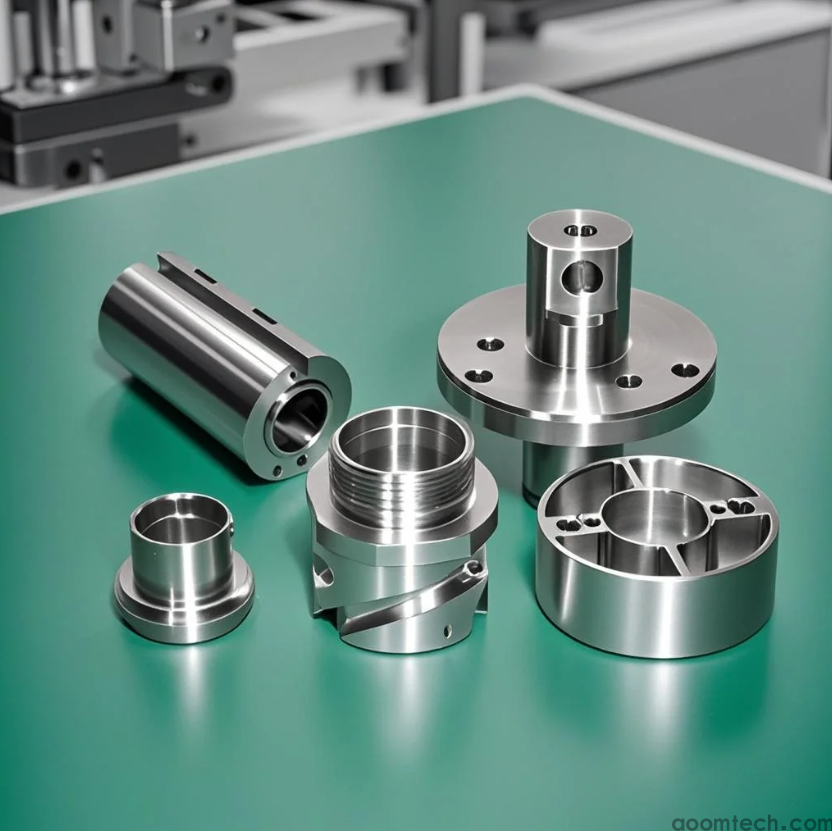
Welke materialen kunnen worden gebruikt?
Precisie CNC is niet kieskeurig! Het werkt met een enorm scala aan materialen. Deze flexibiliteit is een enorm voordeel.
Veelvoorkomende keuzes zijn:
• Metals: Aluminum (light and strong), Stainless Steel (corrosion-resistant), Brass...
• Plastics: POM (for low friction), Nylon, PC (Polycarbonate for impact resistance)...
• Even more exotic materials like titanium can be handled.
Ik vind vaak dat aluminium een geweldige balans biedt tussen bewerkbaarheid, sterkte en kosten voor veel van de projecten die ik overweeg. Maar de beste keuze altijd, en ik bedoel always, depends on what the part needs to do in the real world.
Hoe kiest u de juiste partner voor precisieverspaning?
Dit is waarschijnlijk de belangrijkste vraag. Je kunt het beste ontwerp hebben, maar zonder de juiste fabrikant kan het naar het zuiden gaan. Vanuit mijn perspectief gaat het niet alleen om wie de mooiste machines heeft.
U moet op zoek zijn naar:
• Proven Experience: Can they show you examples of similar work?
• Quality Control: What steps do they take to check parts during production? This is huge.
• Communication: Are they easy to talk to? Do they understand your needs?
Het is echter ook redelijk om te zeggen dat een kleinere, zeer gespecialiseerde winkel soms meer persoonlijke service biedt dan een gigantische fabriek, zelfs als de grotere meer machines heeft. Het is een balans.
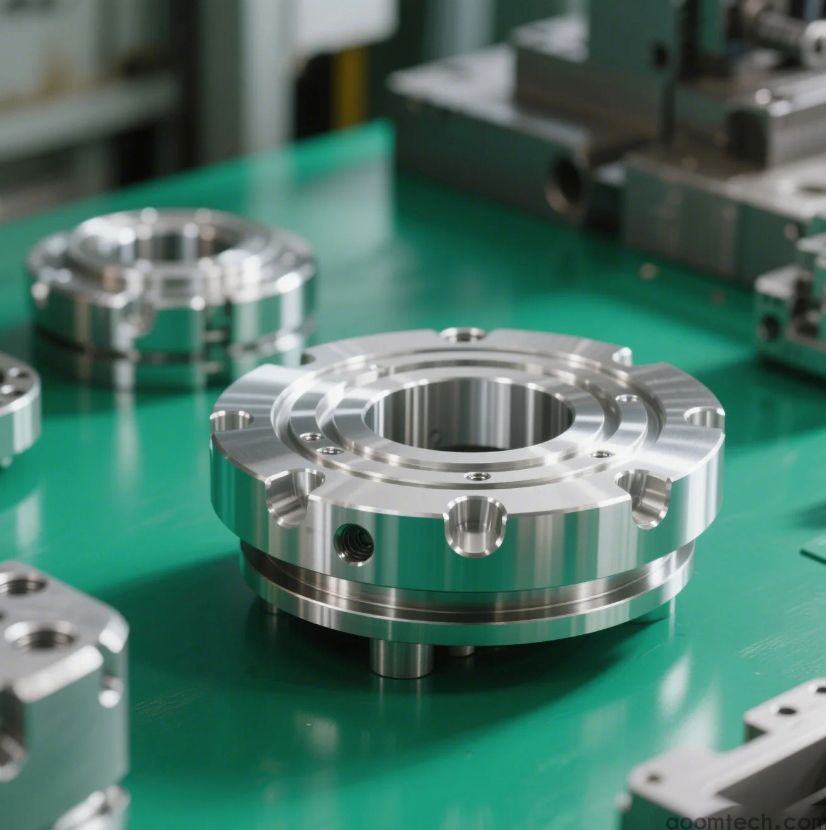
Is precisie CNC alleen voor enorme hoeveelheden?
Dit is een veel voorkomende mythe! Veel mensen denken dat CNC alleen voor duizenden onderdelen kostenbesparend is. Maar dat is niet echt meer waar. Met moderne opstellingen, low-volume and even prototype runs are totally practical. This is fantastic because it lets you test a design before committing to a massive production order, saving potential headaches and money down the line.
Dus, als je gewoon nodig hebt one perfect part or a small batch for testing, precision CNC machining can still be a viable option. It perhaps suggests that the manufacturing landscape has become much more adaptable to different project scales.
Aan het eind van de dag hangt het voor de eerste keer goed krijgen van uw componenten af van duidelijke communicatie en het kiezen van een proces dat aansluit bij uw kwaliteitsbehoeften. Hopelijk geeft dit u een duidelijker beeld van wat precisie CNC-bewerking op tafel brengt. ?
 Hoe CNC-bewerkingskosten te berekenen
Hoe Precisie te verzekeren in CNC bewerkte onderdelen
Kleine partij Precisiedelen CNC die Fabrikant machinaal bewe
Welke factoren beïnvloeden CNC-bewerking citaat?
Hoe CNC-bewerkingskosten te berekenen
Hoe Precisie te verzekeren in CNC bewerkte onderdelen
Kleine partij Precisiedelen CNC die Fabrikant machinaal bewe
Welke factoren beïnvloeden CNC-bewerking citaat?