


Hoe een leverancier te kiezen voor CNC-bewerking van koperen onderdelen
Het is eenvoudig om een werkplaats te vinden die zegt dat ze koper kunnen bewerken. But finding the *right* partner who truly understands the quirks of copper and can deliver consistent, precision results? That's where the real challenge begins. ? If you're a procurement manager or an engineer tired of dealing with surface scratches, poor tolerances, or unreliable delivery on your copper components, you're asking the perfect question. Let's break down this selection process, step by step.
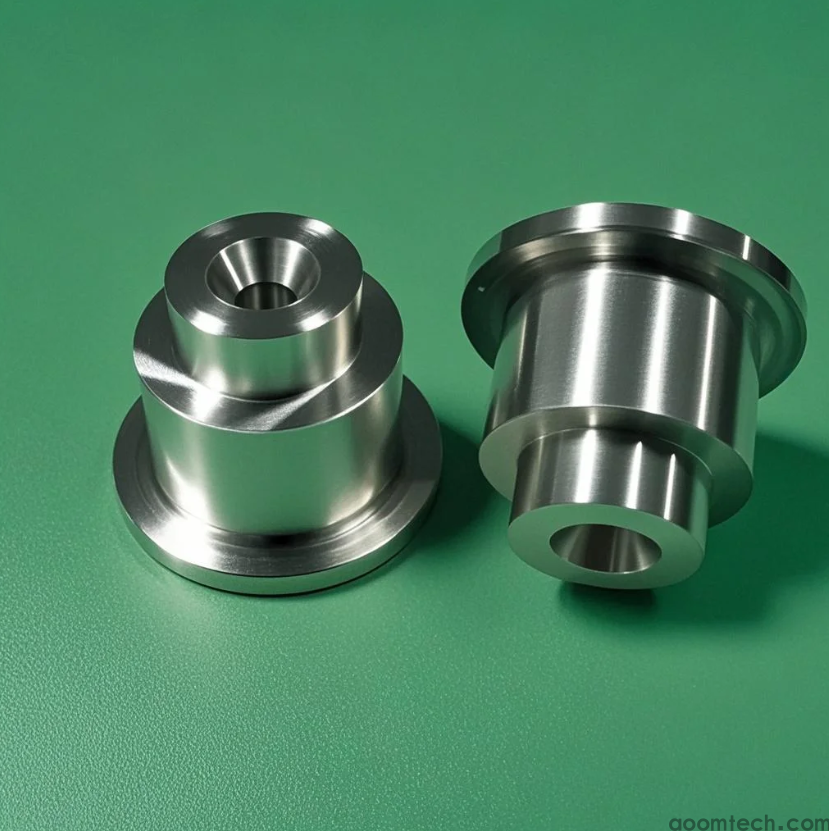
Eerste dingen eerst: waarom is het bewerken van koper zo lastig?
Laten we, voordat we beginnen met kiezen, het 'waarom' begrijpen. Koper en zijn legeringen (zoals messing en brons) zijn prachtige materialen: grote geleidbaarheid, corrosiebestendigheid en bewerkbaarheid. However, they can be soft and gummy, which sounds good but can lead to built-up edge on tools, poor surface finish if not handled correctly, and challenges in holding tight tolerances. A supplier who treats copper like steel is a red flag. ?
Stap 1: Kijk verder dan de machinelijst (evalueer hun expertise)
Veel leveranciers zullen hun CNC-machines vermelden. Dat is eenvoudig. Je moet dieper graven:
• Ask about *specific* experience with copper alloys: "How many projects have you done with C11000 electrolytic copper or C36000 brass?" Real experience matters.
• Inquire about tooling and parameters: Do they use specialized tool geometries or coatings (like diamond-like carbon) for non-ferrous metals? Their answer perhaps hints at their level of sophistication.
• Request case studies or samples: Seeing is believing. A confident supplier can show you finished parts.
Mijn take: Ik zie kopers vaak over-indexeren op machinemerk. Maar een doorgewinterde operator op een oudere machine kan een beginner overtreffen op het nieuwste model als het gaat om kieskeurige materialen zoals koper.
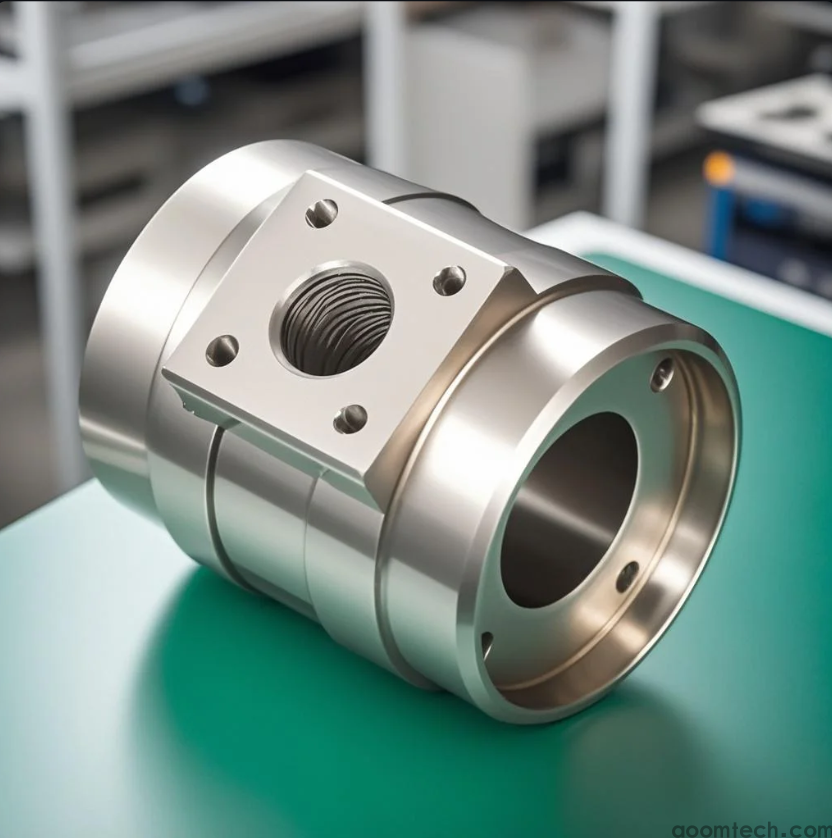
Stap 2: Onderzoek hun kwaliteitscontroleproces
Precisie is niet onderhandelbaar. Hoe garanderen ze dat?
• First-article inspection (FAI): Do they have a formal process? Will they provide you with inspection reports?
• In-process checks: For longer runs, how do they ensure part 10 is identical to part 1?
• Measurement equipment: Do they have capable tools (like micrometers, CMMs, surface profilometers) to verify the specs *you* care about?
Hier is een professionele tip: Vraag het ze, "What's the most common quality issue you encounter with copper parts, and how do you prevent it?" Their response will tell you volumes about their problem-solving mindset.
Stap 3: Communicatie en Service - Het Maken of Breken
Dit is misschien wel de belangrijkste stap. Een perfect onderdeel dat laat wordt geleverd, is nutteloos. Een klein probleem dat niet duidelijk kan worden gecommuniceerd, wordt een groot probleem.
• Responsiveness: Do they answer technical questions clearly and promptly?
• Transparency on challenges: If there's a design for manufacturability (DFM) issue, will they speak up early, or just quote and hope for the best?
• Willingness to collaborate: Are they a true partner for prototyping and refining the design?
Persoonlijk gezichtspunt: Ik zou elke dag een iets duurdere leverancier kiezen met een vlekkeloze communicatie boven een goedkopere, stille. De verborgen kosten van miscommunicatie zijn enorm. but speaking of which..., you need to balance cost with all these factors.
Stap 4: Maak de prijs niet de eerste vraag
We hebben allemaal budgetten. Maar leidend met "hoeveel per stuk?" plaatst u in een commodity-mentaliteit. Stel eerst vast dat ze technisch in staat zijn en goed passen (stap 1-3). Then, discuss pricing. A detailed RFQ with clear drawings, material specs, quantities, and tolerance requirements will get you comparable quotes. Be wary of the quote that's drastically lower than others—it often means a compromise somewhere.
Dus wat nu? Je hebt een raamwerk. De volgende stap is om gesprekken te beginnen met potentiële partners. Wanneer u klaar bent om uw specifieke koperonderdeelproject te bespreken met een leverancier die het krijgt, is het duidelijkste pad om rechtstreeks contact op te nemen. ? Have your drawings ready and start a conversation with our technical team today. We're here to help you navigate from prototype to production, smoothly.
 Hoe CNC-bewerkingskosten te berekenen
Hoe Precisie te verzekeren in CNC bewerkte onderdelen
Kleine partij Precisiedelen CNC die Fabrikant machinaal bewe
Welke factoren beïnvloeden CNC-bewerking citaat?
Hoe CNC-bewerkingskosten te berekenen
Hoe Precisie te verzekeren in CNC bewerkte onderdelen
Kleine partij Precisiedelen CNC die Fabrikant machinaal bewe
Welke factoren beïnvloeden CNC-bewerking citaat?