


Beste materialer for CNC Machining Drive Shafts: En praktisk guide
Hei der, andre ingeniører og anskaffelsesproffer! ? Har noen gang sittet fast i et møte og diskutert best material for a CNC machined drive shaft? You know the drill – one team argues for strength, another for cost, and you're left wondering if there's a perfect answer. The truth is, picking the wrong material can lead to premature failure, costly downtime, and a whole lot of headaches. So, let's cut through the noise and figure this out together. What exactly should you be looking for?
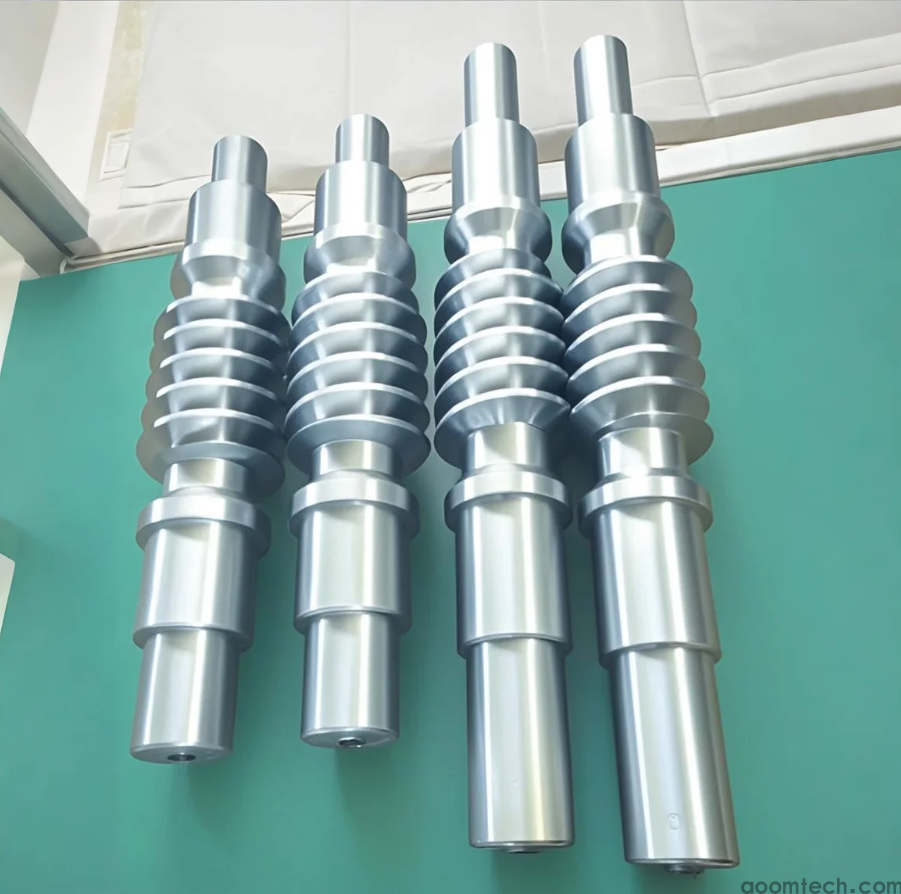
Hva er den store avtalen med drivakselmaterialer uansett?
Tenk på drivakselen som ryggraden i kraftoverføringssystemet. Det må være tøft, men ikke sprøtt; motstandsdyktig mot slitasje, men må ofte være lett. Kjernespørsmålet vi takler er: CNC加工传动轴用什么材料好? Or in English, what materials are best? The short answer is: it wildly depends on your application. There's no one-size-fits-all, but some materials are superstar performers for most jobs. We'll dive into those now.
Toppkonkurrent: legeringsstål (som 414 eller 434)
Hvis vi snakker om en arbeidshest, er det legeringsstål. Jeg ser dette brukt all the time.
Hvorfor det er bra:
• Super strong and tough: It handles high torque and shock loads like a champion.
• Great wear resistance: It lasts a long time, even in tough conditions.
• Cost-effective: Generally offers a good balance of performance and price.
Se opp for:
Det er tungt, så ikke ideelt for applikasjoner der vekt er en stor bekymring (som luftfart).
• It can rust if not properly coated or treated.
Min ta? For de fleste industrielle maskiner, tungt utstyr og bilapplikasjoner, alloy steel is the default starting point. It's a safe, reliable bet. The specific heat treatment process, however, can drastically change its properties, and that's an area where the exact science can get pretty complex.
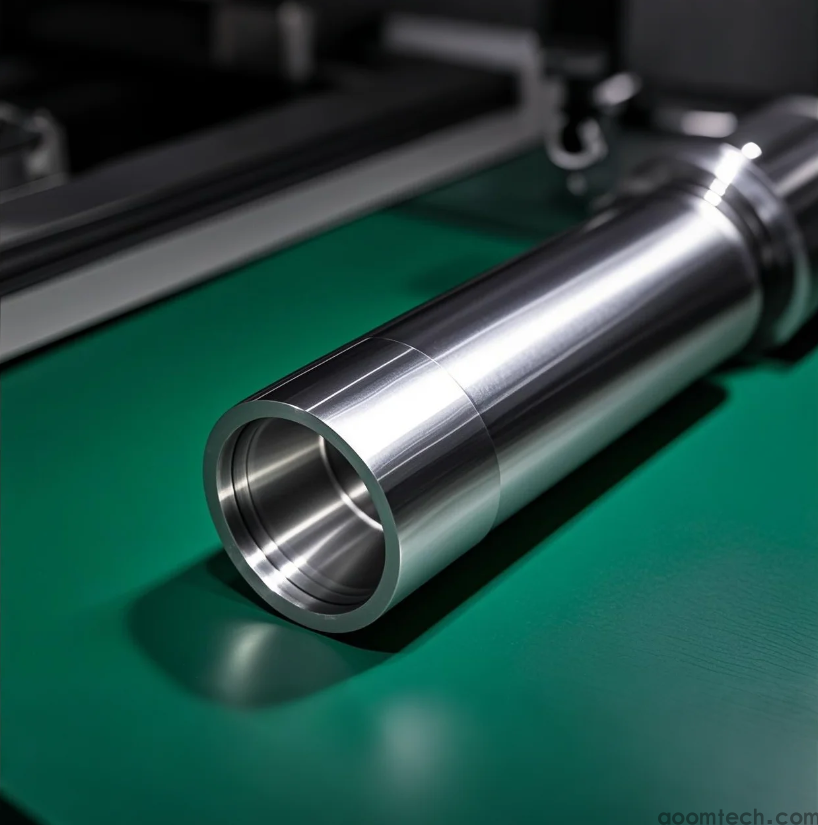
Den lette mesteren: Aluminium (som 6061 eller 7075)
Trenger du noe lett og raskt å maskinere? Aluminium er din venn.
Hvorfor det er bra:
• Super lightweight: Crucial for drones, racing vehicles, and high-speed spindles.
• Good strength-to-weight ratio: 7075 aluminum, for instance, has strength close to some steels.
• Corrosion resistant: It forms a protective oxide layer naturally.
Se opp for:
• Ikke så sterk som stål, så det er ikke egnet for høymoment, tunge applikasjoner.
• It can fatigue over time under repeated stress.
Jeg bruker ofte aluminiumsprototyper fordi de er raske å maskin og enkle å teste med. Men for et sluttprodukt som må slå, må du kanskje se andre steder.
Corrosion Fighter: Rustfritt stål (som 304 eller 316)
Arbeider i et vått eller kjemisk miljø? Rustfritt stål trapper opp.
Hvorfor det er bra:
• Excellent corrosion resistance: Perfect for food processing, marine, or chemical industries.
• Good strength and hardness: It's certainly no slouch in the performance department.
Se opp for:
• More expensive than alloy steels.
• It can be a bit gummy and tougher on cutting tools during the CNC machining process.
Mens rustfritt er fantastisk for å motstå rust, er mekanismen bak passivasjonslaget noe jeg ikke er helt kvalifisert til å forklare i detalj. Det fungerer bare! ? Men når vi snakker om ting som fungerer, er det et annet alternativ som er stille strålende.
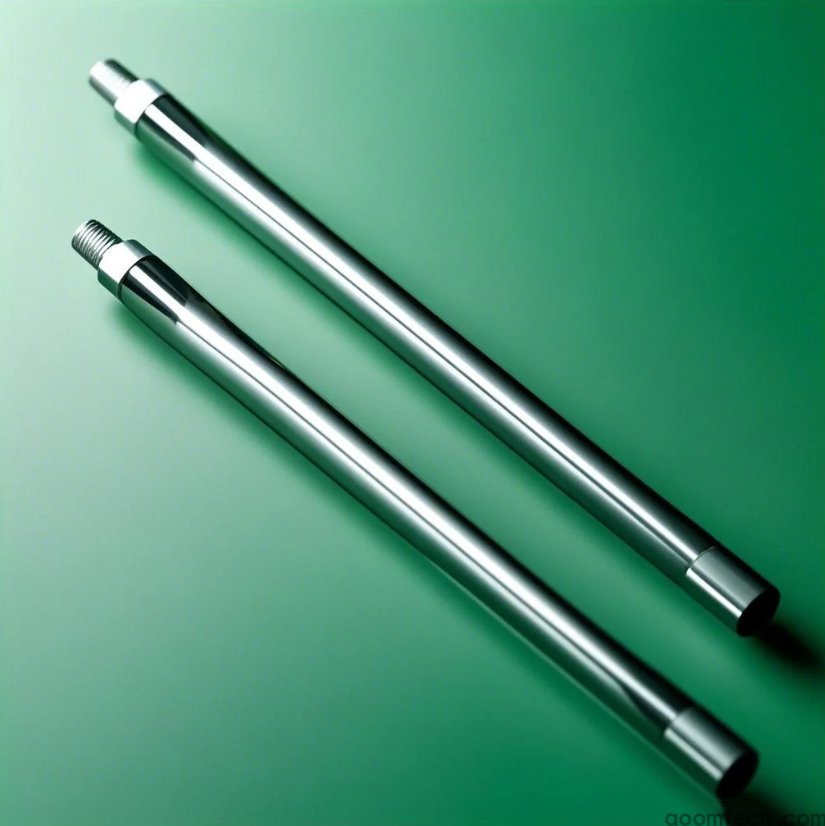
Spesialist: Titan (som grad 5 eller Ti-6Al-4V)
Når du trenger det ultimate combination of strength, lightness, and corrosion resistance, titanium is the answer. But it comes at a price.
Hvorfor det er bra:
• Utrolig styrke-til-vekt-forhold.
• Biokompatibel og svært korrosjonsbestandig.
Se opp for:
• Very high cost for both material and machining.
• Challenging to machine, requiring specialized tools and expertise.
Du finner dette i topp luftfart, medisinske implantater og racing med høy ytelse. Perhaps it's not an overstatement to say that for the most demanding applications, titanium is unbeatable. But for the other 95% of projects, the previous options are more than enough.
Så, hvordan velger du egentlig?
Ikke bare velg det "beste" materialet. Velg right one. Ask yourself these questions:
• What are the torque and load requirements? (This points you to strength needs)
• Is weight a critical factor? (This decides the strength-to-weight ratio focus)
• What environment will it operate in? (Wet, dry, chemical? This dictates corrosion resistance)
• What's the budget? (This is the reality check!)
Fra min erfaring, en velvalgt alloy steel often provides the best value for general engineering. However, the rise of compact, high-performance robotics is pushing more designers towards advanced aluminum alloys and even composites, though that's a topic for another day. The landscape of available materials is always shifting, and what was ideal a decade ago might be surpassed by something new tomorrow.
 Hvordan velge en pålitelig leverandør av CNC-maskinering for
Viktige hensyn for presisjon CNC masseproduksjon: En praktis
Hvordan forhindre myke materialer fra vridning i CNC-maskine
Hvordan velge en pålitelig CNC-bearbeidingstjeneste: En prak
Hvordan velge en pålitelig leverandør av CNC-maskinering for
Viktige hensyn for presisjon CNC masseproduksjon: En praktis
Hvordan forhindre myke materialer fra vridning i CNC-maskine
Hvordan velge en pålitelig CNC-bearbeidingstjeneste: En prak