


Precyzyjna obróbka CNC, obróbka CNC metalu
Czy jesteś zmęczony tym, że Twoje projekty produktów z najwyższej półki są zawodzone przez produkcję, która po prostu nie jest wystarczająco precyzyjna? ? Powierzchnia jest szorstka, szczegóły są niewyraźne i całkowicie traci artystyczne wrażenie, do którego dążyłeś. Jest to częsty problem wielu projektantów i menedżerów ds. zakupów. Jeśli chodzi o tworzenie najwyższej klasy rzemiosła lub dóbr luksusowych, precision and material choice are everything. Let's talk about how CNC machining solves this.
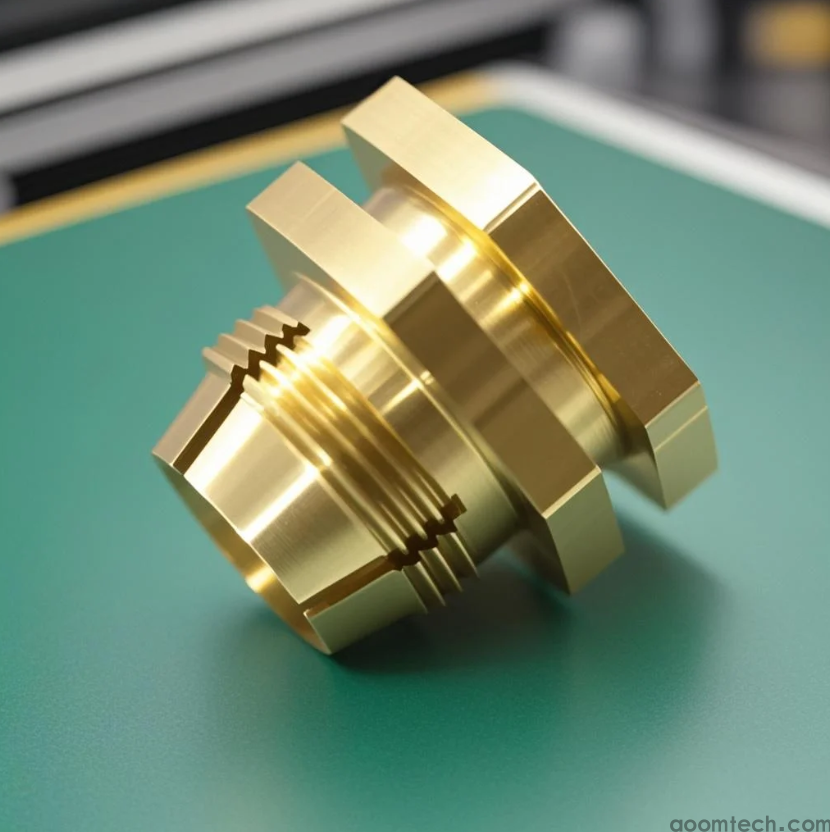
Czym dokładnie jest precyzyjna obróbka CNC?
W istocie chodzi o tworzenie sztuki za pomocą maszyn. Pomyśl o tym jako o superdokładnym rzeźbiarzu cyfrowym. Mówimy o szczegółach cieńszych niż ludzki włos. To nie jest twoja przeciętna obróbka; to dedykowany proces dla elementów, w których every micron matters. While the goal is perfection, it's worth mentioning that achieving sub-micron level consistency on extremely complex organic shapes can still be a challenge that pushes the limits of current technology.
Dlaczego metal jest materiałem ulubionym dla wysokiej klasy rzemiosła?
Metal ma po prostu prezencję, której plastik nie może dorównać. Wydaje się istotny, cenny i ponadczasowy. Ale nie chodzi tylko o wygląd:
• Durability: A metal craft can last for generations, no joke.
• Premium Finish: You can polish it to a mirror shine, or brush it for a sophisticated matte look. The options are vast.
• Intricate Details: CNC machines can carve incredibly fine patterns into metals like brass or aluminum, capturing the soul of your design.
To powiedziawszy, praca z metalem jest trudniejsza dla narzędzi i zwykle kosztuje więcej niż inne materiały, co jest kluczowym czynnikiem w twoim cost planning.
Jak wygląda prawdziwy przepływ pracy? Od pliku do gotowego elementu
To bardziej zaangażowany proces, niż mogłoby się wydawać. W swoich projektach często stosuję podejście 5-etapowe:
1. 3D Model Finalization: This is the blueprint. Any error here gets carved in metal, literally.
2. Programming the CNC Path: The technician translates your model into a language the machine understands. This is where their expertise makes or breaks the part.
3. Material Selection & Setup: Choosing the right metal stock and securing it perfectly in the machine.
4. The Machining Process: This is where the magic happens, with cutting tools shaping the block. Multiple tools and steps are often involved.
5. Post-Processing: This is the secret sauce. Deburring, polishing, and maybe even plating or anodizing for color.
Cała ta podróż, od pliku cyfrowego do fizycznego przedmiotu, który możesz trzymać, wciąż mnie zadziwia. Być może sugeruje to, że łączymy światy tradycyjnego rzemiosła i cyfrowej precyzji.
Jak znaleźć dostawcę, który rzeczywiście może zapewnić jakość?
Nie wszystkie warsztaty mechaniczne są sobie równe. Oto czego szukam:
• Ask for a Portfolio: Don't just take their word for it. Demand to see photos of previous craft projects. Look at the finish and detail.
• Inquire About Their Equipment: Older machines might not hold the tolerances you need for a true "level one" craft.
• Communication is Key: Do they understand your aesthetic goals, or are they just talking about specs? A good partner gets both.
Ale szczerze mówiąc, specyficzny mechanizm tego, jak niektóre sklepy konsekwentnie osiągają "ręcznie wykańczany" wygląd za pomocą CNC, jest czymś, co wciąż mnie ciekawi - wydaje się, że jest to ściśle strzeżona tajemnica.
Mały sekret: moc prototypowania
Zanim zobowiążesz się do pełnego cyklu produkcyjnego, szczególnie w przypadku złożonego elementu, get a prototype made. It's an upfront cost that can save you a fortune later. You can test the feel, the weight, and the overall look. It's your chance to catch issues before they become expensive mistakes. This one step has saved my projects more times than I can count. ?
Ostatecznie znalezienie odpowiedniego partnera do precyzyjnego rzemiosła metalowego polega na wspólnych standardach. To nie tylko zamówienie; to współpraca, aby wprowadzić na świat coś wyjątkowego.
 Jak obliczyć koszt obróbki CNC
Jak zapewnić precyzję w częściach obrabianych CNC?
Producent małych partii precyzyjnych części do obróbki CNC
Jakie czynniki wpływają na wycenę obróbki CNC?
Jak obliczyć koszt obróbki CNC
Jak zapewnić precyzję w częściach obrabianych CNC?
Producent małych partii precyzyjnych części do obróbki CNC
Jakie czynniki wpływają na wycenę obróbki CNC?