


Najlepsze materiały do obróbki wałów napędowych CNC: praktyczny przewodnik
Hej, koledzy inżynierowie i profesjonaliści w dziedzinie zaopatrzenia! ? Czy kiedykolwiek utknąłeś na spotkaniu, debatując nad best material for a CNC machined drive shaft? You know the drill – one team argues for strength, another for cost, and you're left wondering if there's a perfect answer. The truth is, picking the wrong material can lead to premature failure, costly downtime, and a whole lot of headaches. So, let's cut through the noise and figure this out together. What exactly should you be looking for?
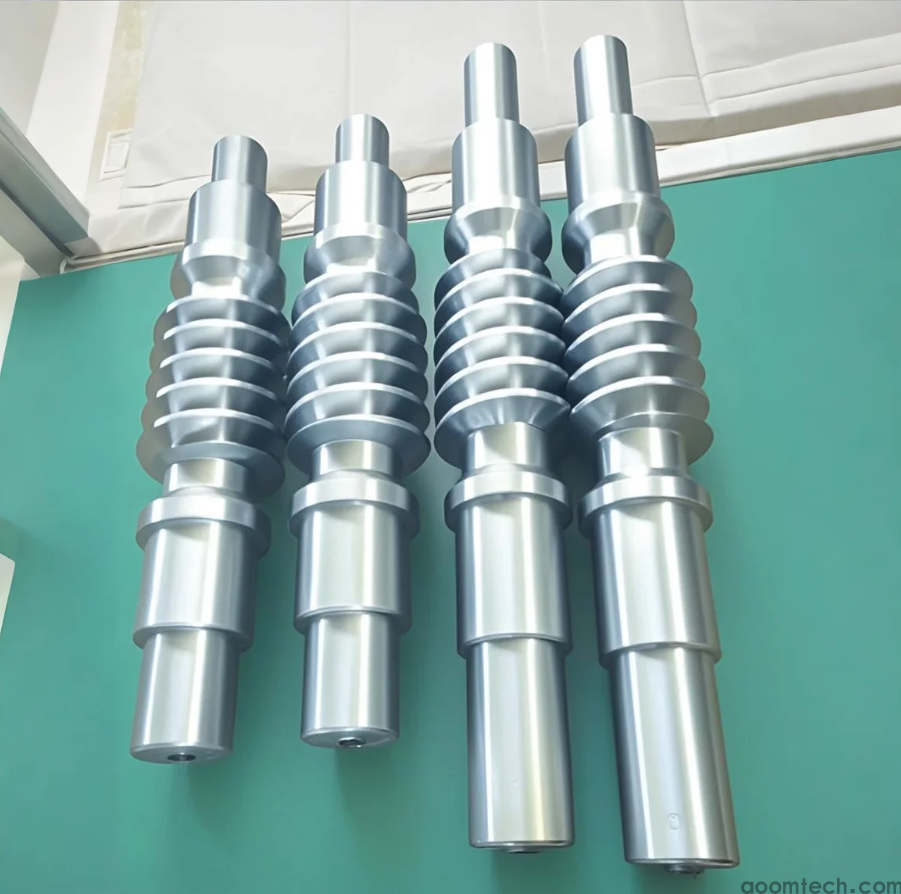
O co w ogóle chodzi z materiałami na wały napędowe?
Pomyśl o wale napędowym jako o kręgosłupie Twojego systemu przenoszenia mocy. Musi być wytrzymały, ale nie kruchy; odporny na zużycie, ale często musi być lekki. Podstawowym pytaniem, z którym się borykamy, jest: CNC加工传动轴用什么材料好? Or in English, what materials are best? The short answer is: it wildly depends on your application. There's no one-size-fits-all, but some materials are superstar performers for most jobs. We'll dive into those now.
Najlepszy konkurent: stal stopowa (jak 414 lub 434)
Jeśli mówimy o koniu pociągowym, to jest nim stal stopowa. Widzę to używane all the time.
Dlaczego jest świetny:
• Super strong and tough: It handles high torque and shock loads like a champion.
• Great wear resistance: It lasts a long time, even in tough conditions.
• Cost-effective: Generally offers a good balance of performance and price.
Uważaj na:
• Jest ciężki, więc nie jest idealny do zastosowań, w których waga jest dużym problemem (takich jak lotnictwo).
• It can rust if not properly coated or treated.
Moje ujęcie? Do większości maszyn przemysłowych, ciężkiego sprzętu i zastosowań motoryzacyjnych, alloy steel is the default starting point. It's a safe, reliable bet. The specific heat treatment process, however, can drastically change its properties, and that's an area where the exact science can get pretty complex.
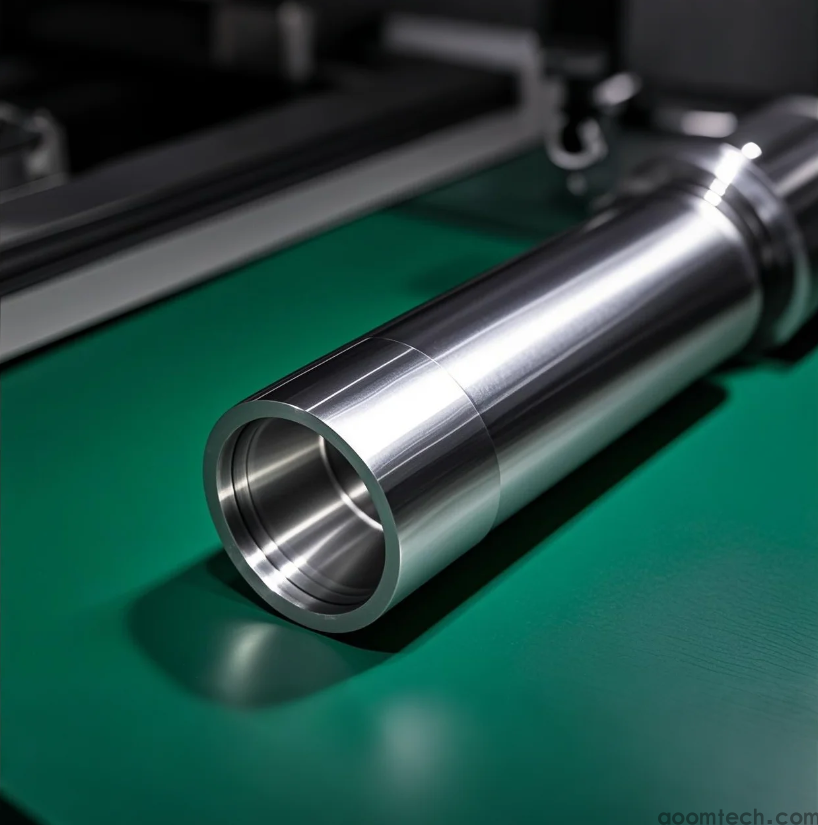
Mistrz wagi lekkiej: aluminium (jak 6061 lub 7075)
Potrzebujesz czegoś lekkiego i szybkiego do obróbki? Aluminium to twój przyjaciel.
Dlaczego jest świetny:
• Super lightweight: Crucial for drones, racing vehicles, and high-speed spindles.
• Good strength-to-weight ratio: 7075 aluminum, for instance, has strength close to some steels.
• Corrosion resistant: It forms a protective oxide layer naturally.
Uważaj na:
• Nie tak wytrzymały jak stal, więc nie nadaje się do zastosowań o wysokim momencie obrotowym i dużej wytrzymałości.
• It can fatigue over time under repeated stress.
Często używam prototypów aluminiowych, ponieważ są szybkie w obróbce i łatwe do przetestowania. Ale w przypadku produktu końcowego, który wymaga pobicia, może być konieczne poszukanie gdzie indziej.
Myśliwiec korozyjny: stal nierdzewna (jak 304 lub 316)
Praca w środowisku mokrym lub chemicznym? Stal nierdzewna podnosi się.
Dlaczego jest świetny:
• Excellent corrosion resistance: Perfect for food processing, marine, or chemical industries.
• Good strength and hardness: It's certainly no slouch in the performance department.
Uważaj na:
• More expensive than alloy steels.
• It can be a bit gummy and tougher on cutting tools during the CNC machining process.
Chociaż stal nierdzewna jest fantastyczna pod względem odporności na rdzę, mechanizm kryjący się za jej warstwą pasywacyjną jest czymś, do czego nie jestem w pełni uprawniony. To po prostu działa! ? Ale mówiąc o rzeczach, które działają, jest jeszcze jedna opcja, która jest po cichu genialna.
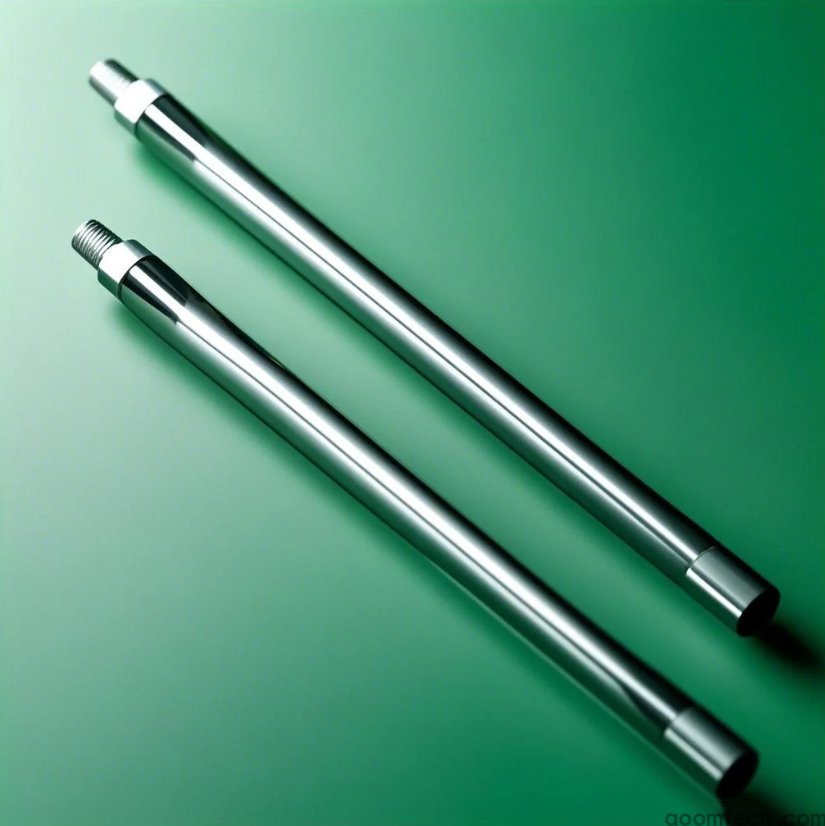
Specjalista: Tytan (jak klasa 5 lub Ti-6Al-4V)
Kiedy potrzebujesz tego, co najlepsze combination of strength, lightness, and corrosion resistance, titanium is the answer. But it comes at a price.
Dlaczego jest świetny:
• Niesamowity stosunek wytrzymałości do masy.
• Biokompatybilny i wysoce odporny na korozję.
Uważaj na:
• Very high cost for both material and machining.
• Challenging to machine, requiring specialized tools and expertise.
Znajdziesz to w najwyższej klasy lotnictwie, implantach medycznych i wyścigach o wysokich osiągach. Perhaps it's not an overstatement to say that for the most demanding applications, titanium is unbeatable. But for the other 95% of projects, the previous options are more than enough.
Jak więc właściwie wybierasz?
Nie wybieraj tylko "najlepszego" materiału. Wybierz right one. Ask yourself these questions:
• What are the torque and load requirements? (This points you to strength needs)
• Is weight a critical factor? (This decides the strength-to-weight ratio focus)
• What environment will it operate in? (Wet, dry, chemical? This dictates corrosion resistance)
• What's the budget? (This is the reality check!)
Z mojego doświadczenia dobrze dobrany alloy steel often provides the best value for general engineering. However, the rise of compact, high-performance robotics is pushing more designers towards advanced aluminum alloys and even composites, though that's a topic for another day. The landscape of available materials is always shifting, and what was ideal a decade ago might be surpassed by something new tomorrow.
 Jak obliczyć koszt obróbki CNC
Jak zapewnić precyzję w częściach obrabianych CNC?
Producent małych partii precyzyjnych części do obróbki CNC
Jakie czynniki wpływają na wycenę obróbki CNC?
Jak obliczyć koszt obróbki CNC
Jak zapewnić precyzję w częściach obrabianych CNC?
Producent małych partii precyzyjnych części do obróbki CNC
Jakie czynniki wpływają na wycenę obróbki CNC?