


Jak wybrać dostawcę do obróbki CNC części miedzianych
Znalezienie warsztatu, który twierdzi, że może obrabiać miedź, jest łatwe. But finding the *right* partner who truly understands the quirks of copper and can deliver consistent, precision results? That's where the real challenge begins. ? If you're a procurement manager or an engineer tired of dealing with surface scratches, poor tolerances, or unreliable delivery on your copper components, you're asking the perfect question. Let's break down this selection process, step by step.
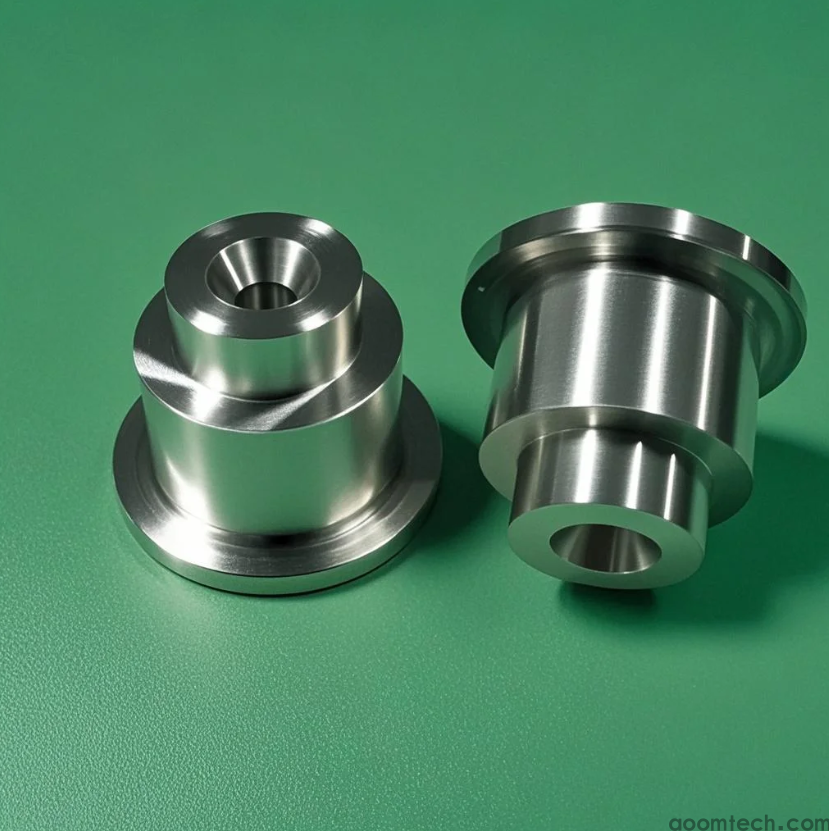
Po pierwsze: dlaczego obróbka miedzi jest tak trudna?
Zanim przejdziemy do wyboru, zrozummy "dlaczego". Miedź i jej stopy (jak mosiądz i brąz) to wspaniałe materiały - świetna przewodność, odporność na korozję i skrawalność. However, they can be soft and gummy, which sounds good but can lead to built-up edge on tools, poor surface finish if not handled correctly, and challenges in holding tight tolerances. A supplier who treats copper like steel is a red flag. ?
Krok 1: Wyjrzyj poza listę maszyn (oceń ich wiedzę specjalistyczną)
Wielu dostawców wymienia swoje maszyny CNC. To podstawowe. Musisz kopać głębiej:
• Ask about *specific* experience with copper alloys: "How many projects have you done with C11000 electrolytic copper or C36000 brass?" Real experience matters.
• Inquire about tooling and parameters: Do they use specialized tool geometries or coatings (like diamond-like carbon) for non-ferrous metals? Their answer perhaps hints at their level of sophistication.
• Request case studies or samples: Seeing is believing. A confident supplier can show you finished parts.
Moje ujęcie: Często widzę, że kupujący nadmiernie indeksują markę maszyny. Ale doświadczony operator na starszej maszynie może prześcignąć nowicjusza w najnowszym modelu, jeśli chodzi o wyszukane materiały, takie jak miedź.
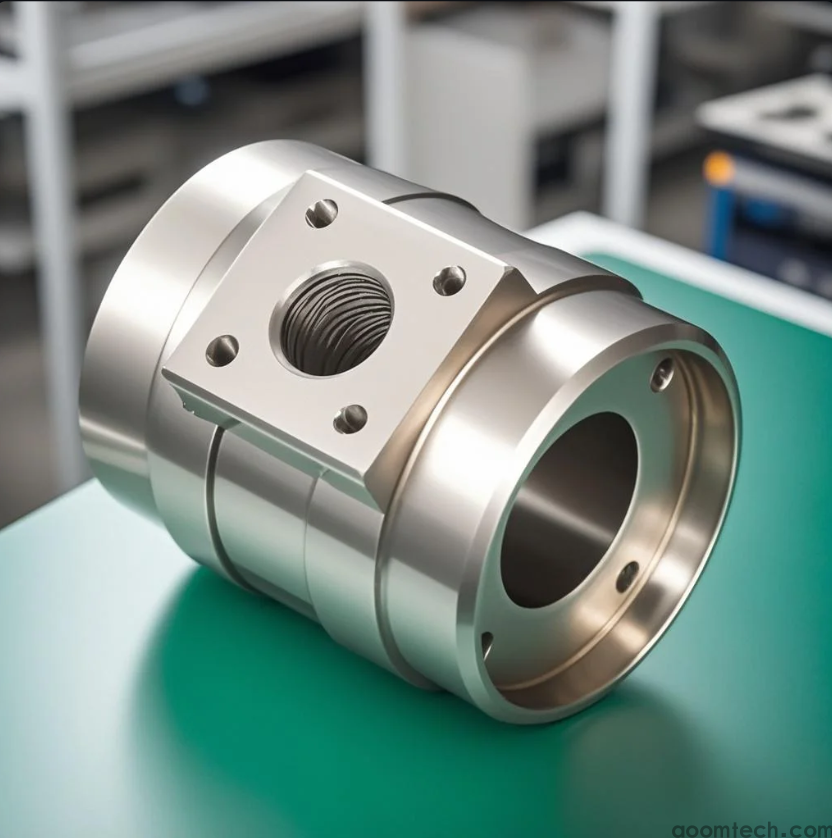
Krok 2: Przeanalizuj ich proces kontroli jakości
Precyzja nie podlega negocjacjom. Jak to gwarantują?
• First-article inspection (FAI): Do they have a formal process? Will they provide you with inspection reports?
• In-process checks: For longer runs, how do they ensure part 10 is identical to part 1?
• Measurement equipment: Do they have capable tools (like micrometers, CMMs, surface profilometers) to verify the specs *you* care about?
Oto wskazówka dla profesjonalistów: Zapytaj ich, "What's the most common quality issue you encounter with copper parts, and how do you prevent it?" Their response will tell you volumes about their problem-solving mindset.
Krok 3: Komunikacja i obsługa - The Make or Break
To może być najważniejszy krok. Idealna część dostarczona późno jest bezużyteczna. Mały problem, którego nie można zakomunikować, wyraźnie staje się dużym problemem.
• Responsiveness: Do they answer technical questions clearly and promptly?
• Transparency on challenges: If there's a design for manufacturability (DFM) issue, will they speak up early, or just quote and hope for the best?
• Willingness to collaborate: Are they a true partner for prototyping and refining the design?
Osobisty punkt widzenia: Wybrałbym nieco droższego dostawcę z bezbłędną komunikacją niż tańszego, cichego każdego dnia. Ukryte koszty nieporozumień są ogromne. but speaking of which..., you need to balance cost with all these factors.
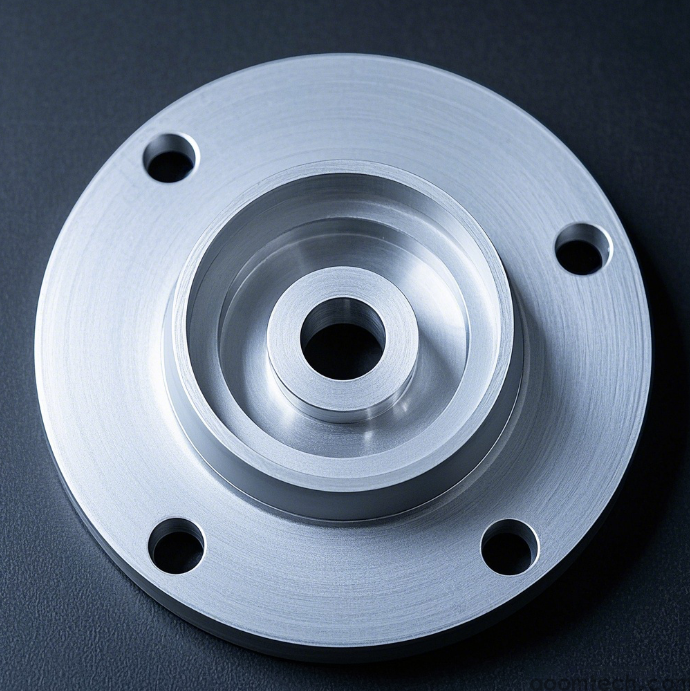
Krok 4: Nie traktuj ceny jako pierwszego pytania
Wszyscy mamy budżety. Ale prowadzenie z "ile za sztukę?" stawia cię w nastawieniu na towar. Najpierw ustal, że są technicznie zdolni i dobrze dopasowani (kroki 1-3). Then, discuss pricing. A detailed RFQ with clear drawings, material specs, quantities, and tolerance requirements will get you comparable quotes. Be wary of the quote that's drastically lower than others—it often means a compromise somewhere.
Co teraz? Masz ramy. Następnym krokiem jest rozpoczęcie rozmów z potencjalnymi partnerami. Kiedy będziesz gotowy do omówienia konkretnego projektu części miedzianej z dostawcą, który go otrzyma, najjaśniejszą ścieżką jest bezpośrednie skontaktowanie się. ? Have your drawings ready and start a conversation with our technical team today. We're here to help you navigate from prototype to production, smoothly.
 Jak obliczyć koszt obróbki CNC
Jak zapewnić precyzję w częściach obrabianych CNC?
Producent małych partii precyzyjnych części do obróbki CNC
Jakie czynniki wpływają na wycenę obróbki CNC?
Jak obliczyć koszt obróbki CNC
Jak zapewnić precyzję w częściach obrabianych CNC?
Producent małych partii precyzyjnych części do obróbki CNC
Jakie czynniki wpływają na wycenę obróbki CNC?