


Jaką tolerancję możesz osiągnąć dzięki obróbce prętów CNC? Praktyczny przewodnik
Hej, koledzy inżynierowie i profesjonaliści w dziedzinie zaopatrzenia! ? Kiedykolwiek wpatrywałeś się w rysunek techniczny, zastanawiając się, czy Twój dostawca obróbki prętów CNC może: actually hit those tiny tolerance numbers? You're not alone. I've been in those meetings where everyone nods, but deep down, there's that nagging question: "What's realistically achievable?" Let's cut through the marketing fluff and talk real numbers. ?
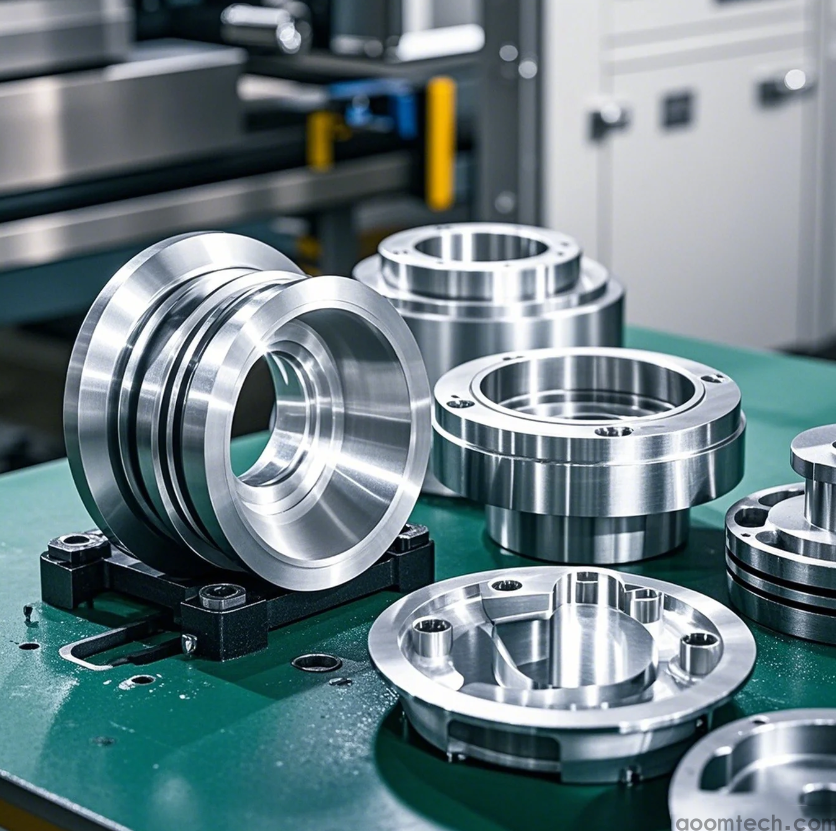
Więc jaki jest prawdziwy problem z dokładnością obróbki prętów CNC?
Po pierwsze, odpowiedzmy na wielkie pytanie. W przypadku większości standardowych zadań związanych z obróbką prętów CNC można ogólnie oczekiwać utrzymania tolerancji ±.025 mm to ±.05 mm (±.001" to ±.002"). That's about the thickness of a human hair! But—and this is a big but—this isn't a guarantee for every single part. It depends on a whole bunch of factors that we'll dig into next. I've seen shops consistently hit these numbers on aluminum and brass, but when it comes to some tricky plastics or super-alloys, the story can change.
Jakie czynniki tak naprawdę wpływają na twoją precyzję obróbki?
Nigdy nie chodzi tylko o maszynę. Oto typowi podejrzani, którzy mogą ustalić lub złamać twoje cele tolerancji:
✅ The Material Itself: Some materials are just easier to work with. Aluminum is pretty forgiving and stable, making it a dream for tight tolerances. But something like stainless steel? It can be a bit of a diva, moving around with heat and stress. The exact way different alloys behave under the cutting tool is something I'm still wrapping my head around.
✅ Machine Condition and Age: A brand-new, high-end Swiss-type lathe is a precision beast. An older, worn-out machine might struggle. It's that simple.
✅ The Length of the Part: This is a big one that often gets overlooked. Trying to hold a tight tolerance on a long, skinny bar? That's much harder than on a short, stubby part. Vibration and deflection become your enemies.
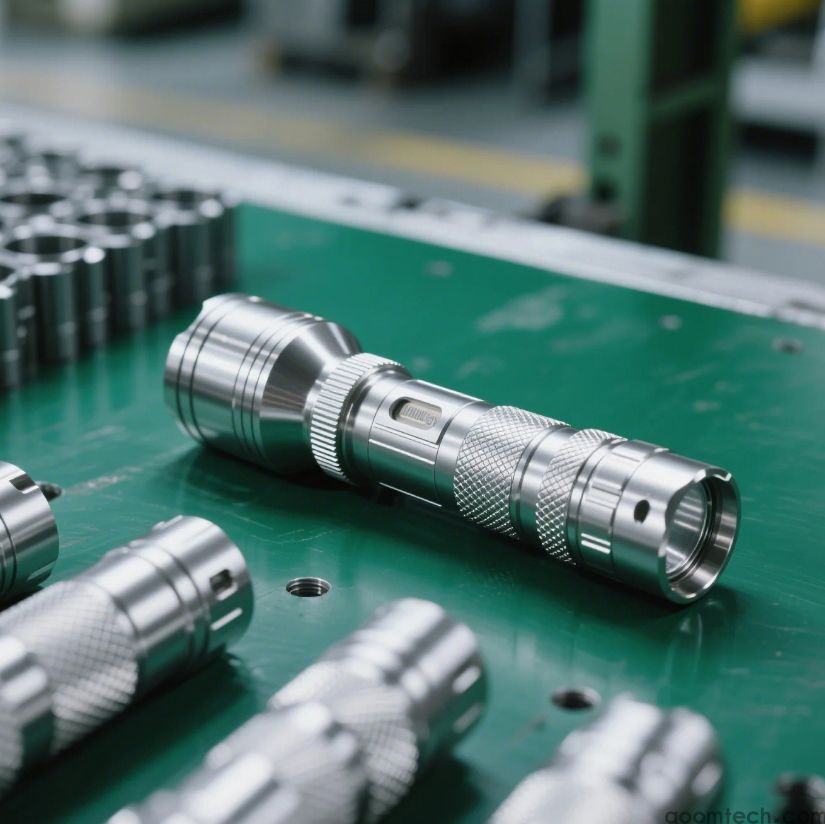
Jak możesz pomóc swojemu dostawcy osiągnąć te bardziej rygorystyczne tolerancje?
Wierz lub nie, ale Ty też masz swoją rolę do odegrania! Oto jak możesz przygotować swój projekt na sukces:
? Be Smart with Your Tolerances: Don't just call out super tight tolerances everywhere on the drawing. I always ask my team, "Does this surface really need to be that precise?" Only apply tight tolerances to critical features. This saves cost and headache.
? Talk to Your Machinist Early: Get their input during the design phase. They might suggest a small change that makes the part much easier and cheaper to machine accurately.
? Choose the Right Material: If high precision is your goal, maybe an aluminum grade is a better bet than that specific stainless steel you had in mind. Discuss the options.
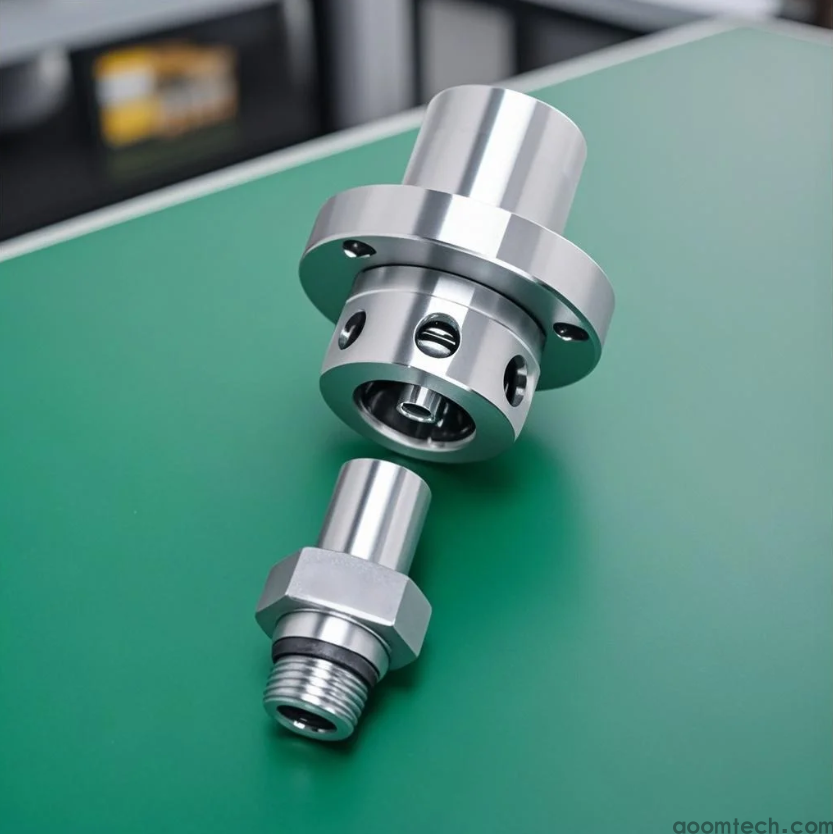
Czy "większa precyzja" zawsze jest właściwą odpowiedzią?
Oto moje dwa centy za obejrzenie setek projektów. Pogoń za absolutnie najściślejszą możliwą tolerancją jest często pułapką. ? Koszt nie rośnie liniowo; rośnie jak kij hokejowy. Ta ostatnia precyzja 0,01 mm może podwoić koszt części. Musisz zapytać: What does the function of the part actually require? Sometimes, "good enough" is not just good enough—it's the smartest business decision. Perfection can be the enemy of profitability.
Biorąc to pod uwagę, w przypadku krytycznych komponentów w lotnictwie lub urządzeniach medycznych ta ekstremalna precyzja nie podlega negocjacjom. Ale w przypadku wielu ogólnych zastosowań może to przesada. Prawdziwa umiejętność polega na poznaniu różnicy.
Z mojego doświadczenia najlepsze wyniki daje partnerstwo. Nie chodzi tylko o wypychanie dostawcy za najniższą cenę i najwyższą precyzję. Chodzi o jasną komunikację, realistyczne oczekiwania i zrozumienie kompromisów. Odkryłem, że szczere podejście do budżetu i potrzeb w zakresie wydajności prowadzi do znacznie płynniejszego procesu i lepszego produktu końcowego. ? Po prostu coś do przemyślenia w następnym projekcie.
 Jak obliczyć koszt obróbki CNC
Jak zapewnić precyzję w częściach obrabianych CNC?
Producent małych partii precyzyjnych części do obróbki CNC
Jakie czynniki wpływają na wycenę obróbki CNC?
Jak obliczyć koszt obróbki CNC
Jak zapewnić precyzję w częściach obrabianych CNC?
Producent małych partii precyzyjnych części do obróbki CNC
Jakie czynniki wpływają na wycenę obróbki CNC?