


Twój przewodnik po precyzyjnej małoseryjnej obróbce CNC: koszt, jakość i wskazówki
Hej, koledzy inżynierowie i profesjonaliści od zaopatrzenia! ? Czy kiedykolwiek utknąłeś w sytuacji, w której potrzebujesz tylko 50 lub 100 superprecyzyjnych części, ale każdy warsztat, z którym się kontaktujesz, ma niebotycznie wysokie ceny lub zachowuje się tak, jakby Twoje zamówienie nie było warte ich czasu? To frustrujące, prawda? Nie jesteś sam. To jest dokładnie ten problem, który high-precision small-batch CNC machining aims to solve. Let's break down how it works and why it might be the perfect solution for your next project.
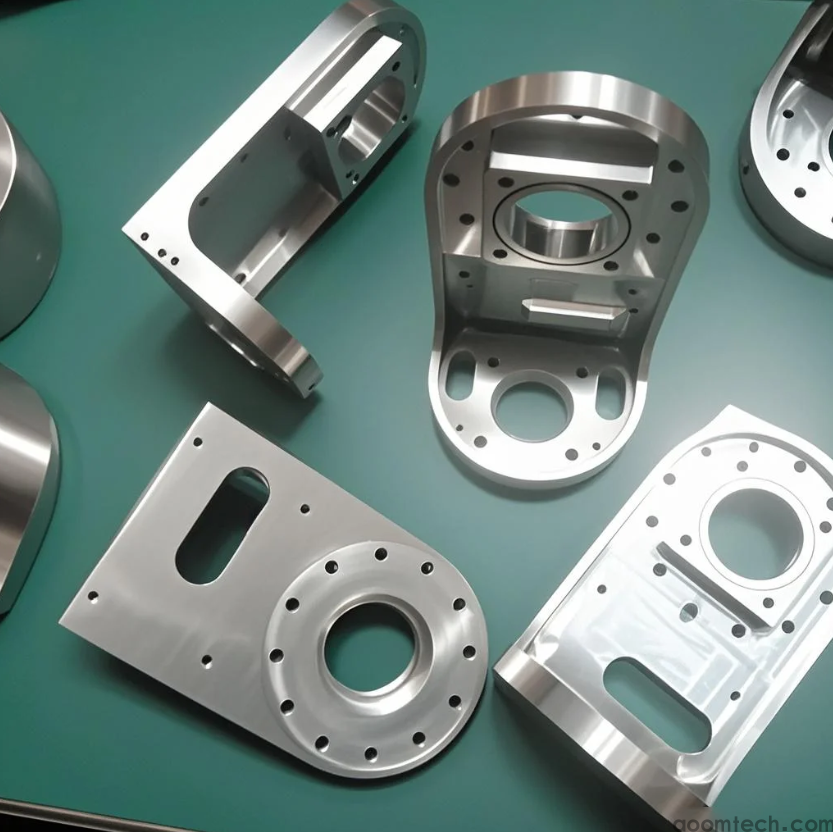
Czym właściwie jest małoseryjna obróbka CNC?
Pomyśl o tym w ten sposób: zamiast zamawiać tysiąc identycznych części z przenośnika taśmowego, otrzymujesz starannie wykonaną, ograniczoną serię komponentów. Small-batch CNC machining is all about producing a specific, limited quantity of parts with the same attention to detail and high accuracy as a large production run. It's perfect for prototypes, custom fixtures, or when you simply don't need millions of something. The core idea is flexibility without sacrificing the tight tolerances and fine finishes you require.
Po co iść na małą partię? Największe korzyści
Dlaczego więc miałbyś wybrać tę trasę? Korzyści są dość atrakcyjne dla firm, które potrzebują sprawności.
✅ Lower Upfront Cost: You're not tying up a huge amount of capital in a massive inventory of parts. You pay for what you need, when you need it.
✅ Amazing Flexibility: Found a small design flaw after the first 10 units? No problem! You can make adjustments quickly and cheaply for the next batch. This makes iterative design a breeze.
✅ Faster Turnaround: Smaller batches naturally take less time to produce than large-scale orders. This means you can get your product to testing or to market much quicker. Speed can be a huge advantage.
Prawdziwe wyzwanie: równoważenie kosztów i jakości
Teraz bądźmy prawdziwi. To nie tylko słońce i tęcze. Największy ból głowy w small-batch machining is often the cost-per-part. Because the setup time and programming effort are spread over fewer units, each part carries a higher share of that initial cost. However, from my experience, this is where a good partner shines. A shop that specializes in this understands the economics and can often suggest material choices or slight design tweaks that save you money without wrecking the part's function. The specific calculation for optimizing this balance can be a bit of a dark art, depending on the geometry.
Jak wybrać odpowiedniego partnera do potrzeb małych partii
Wybór warsztatu mechanicznego do małej, precyzyjnej pracy różni się od wyboru warsztatu do masowej produkcji. Oto czego zwykle szukam:
? Communication is Key: Do they answer your emails quickly and clearly? Do they ask smart questions about your design? This is a huge green flag.
? Check Their Equipment Portfolio: A shop with a variety of modern CNC mills and lathes is more likely to handle complex, high-precision work. Don't be shy to ask!
? Look for Prototype & Small-Run Focus: Some shops outright say they specialize in this. Those are your best bet, as their entire process is built for it. I've found that shops that mainly do huge runs can sometimes be less attentive to smaller orders, even if they accept them.
Rzut oka na proces (to nie magia!)
Zastanawiasz się, jak to płynie? To całkiem proste. Wysyłasz plik projektu (np. STEP lub IGES). Sprawdzają to pod kątem manufacturability and might suggest changes to make it easier and cheaper to make. Then, they program the machines, set up the raw material, and start cutting. Each part is often individually checked for quality. This hands-on approach is what ensures the high quality in small quantities.
Ostatecznie high-precision small-batch CNC machining is a powerful tool when you need quality parts fast without the commitment of a massive order. It empowers innovation and allows for rapid testing and development. Finding a shop that gets this model is half the battle won. Maybe it's time to give that small-batch idea a shot? ?
 Jak obliczyć koszt obróbki CNC
Jak zapewnić precyzję w częściach obrabianych CNC?
Producent małych partii precyzyjnych części do obróbki CNC
Jakie czynniki wpływają na wycenę obróbki CNC?
Jak obliczyć koszt obróbki CNC
Jak zapewnić precyzję w częściach obrabianych CNC?
Producent małych partii precyzyjnych części do obróbki CNC
Jakie czynniki wpływają na wycenę obróbki CNC?