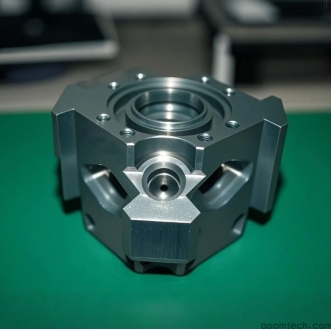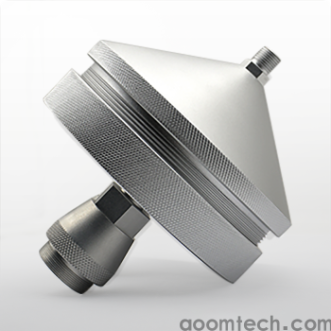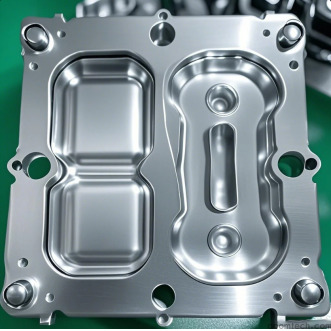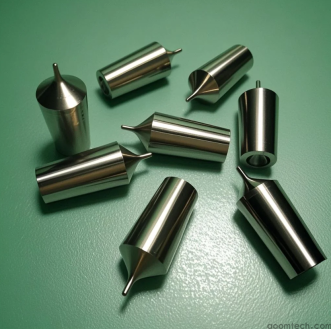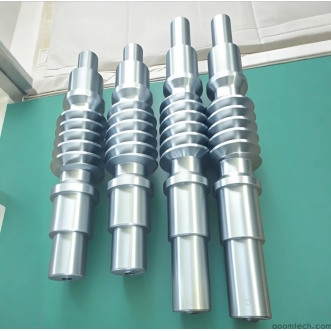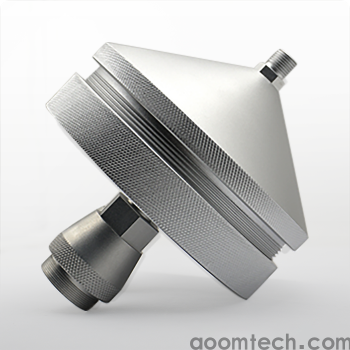
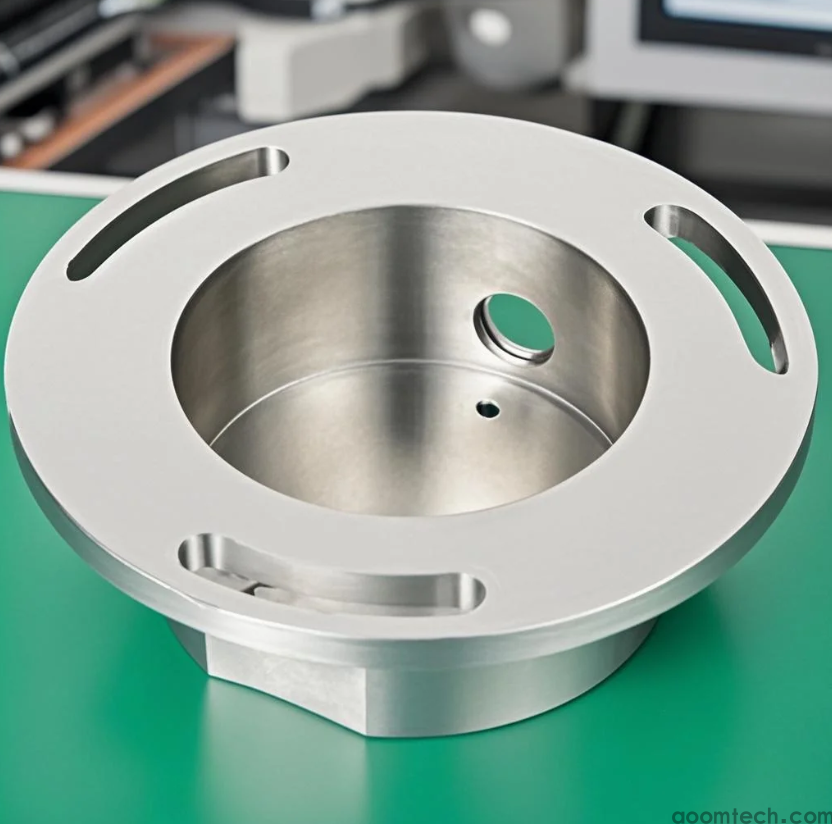
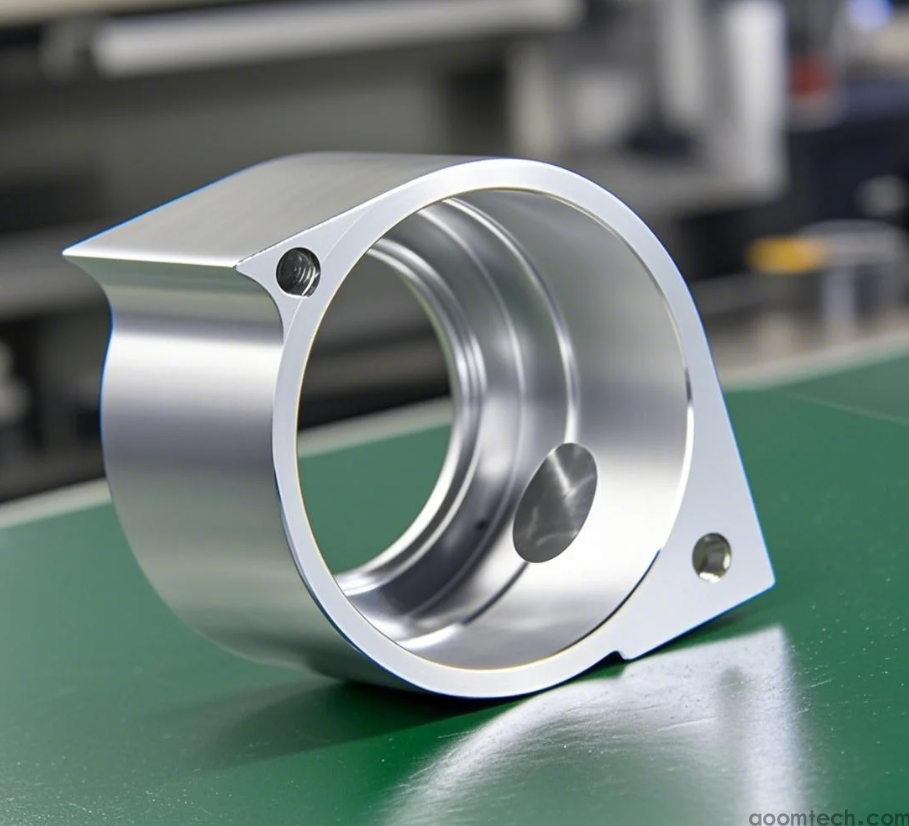
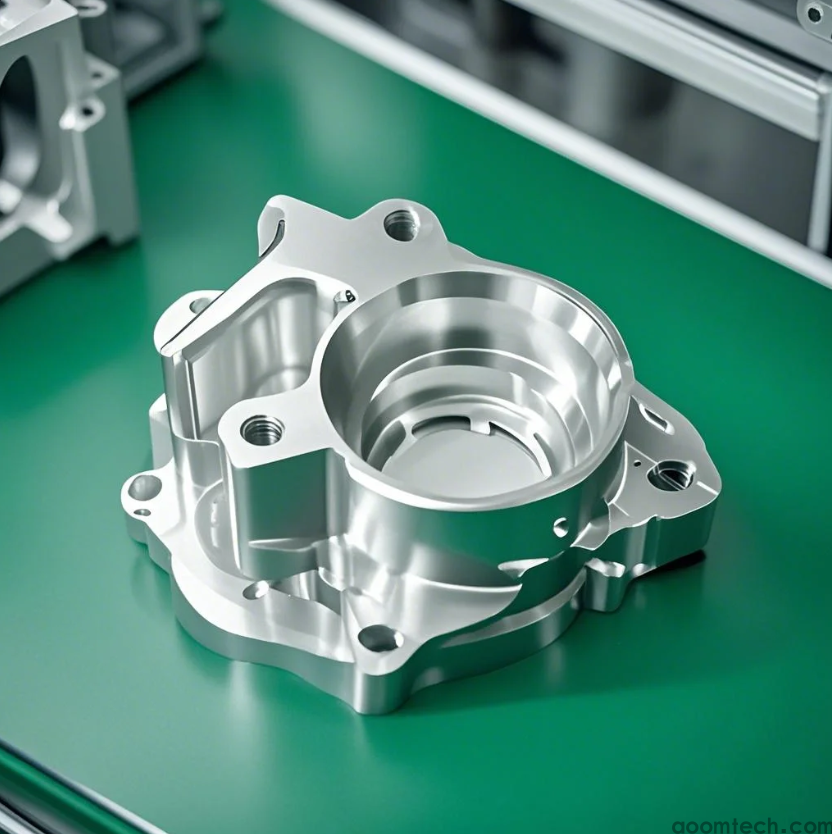
Aluminum Parts CNC Machining Process
Aluminum Parts CNC Machining Process
Manufacturers across automotive, aerospace, electronics, and industrial sectors often face significant challenges when machining aluminum components. Common concerns include maintaining tight dimensional tolerances, preventing material deformation during cutting, achieving superior surface finishes, and optimizing production speed without sacrificing quality. An effective Aluminum Parts CNC Machining Process addresses these challenges through precise planning, advanced machining strategies, and rigorous quality control procedures.
Whether you require an aluminum parts CNC machining process for automotive components, a precision CNC machining process of aluminum parts for aerospace applications, or an efficient CNC machining process for aluminum parts in consumer electronics, understanding each stage of production is essential for achieving consistent, high-quality results.
Understanding the Aluminum Parts CNC Machining Process
The Aluminum Parts CNC Machining Process involves using computer-controlled machine tools to transform raw aluminum stock into precise finished components. CNC technology allows manufacturers to produce complex geometries, maintain exceptional accuracy, and achieve repeatable quality across both prototype and mass-production projects.
Aluminum is widely selected due to its excellent machinability, lightweight properties, corrosion resistance, thermal conductivity, and strength-to-weight ratio. These advantages make it suitable for industries requiring both performance and cost-efficiency.
Step 1: Design and CNC Programming
Creating an Accurate CAD Model
The process begins with detailed 3D modeling using CAD (Computer-Aided Design) software. Engineers define all critical dimensions, tolerances, material specifications, and functional requirements before machining starts.
At this stage, careful design optimization helps eliminate potential manufacturing issues such as:
Excessively thin walls that may deform during machining
Complex geometries that increase machining time
Unnecessary features that raise production costs
Poor tolerance specifications that affect assembly performance
CAM Programming and Toolpath Generation
Once the design is finalized, CAM (Computer-Aided Manufacturing) software generates machining toolpaths. Experienced programmers optimize cutting parameters to balance precision, efficiency, and tool life.
For projects involving high-speed CNC machining process for aluminum parts manufacturing, toolpaths are carefully designed to minimize unnecessary movements while maximizing productivity.
Step 2: Material Selection and Preparation
Choosing the Right Aluminum Alloy
Selecting the appropriate aluminum grade is critical for achieving desired mechanical properties and machining performance.
6061 Aluminum: Excellent strength, corrosion resistance, and machinability.
7075 Aluminum: High strength for aerospace and performance applications.
5052 Aluminum: Superior corrosion resistance for marine environments.
2024 Aluminum: Commonly used in aerospace structural components.
The choice of material directly impacts machining speed, surface quality, and dimensional stability throughout the manufacturing process.
Material Inspection Before Machining
Raw aluminum stock is inspected for defects, flatness, composition consistency, and internal stresses. This proactive step reduces the risk of distortion during machining and improves final product quality.
Step 3: CNC Cutting and Shaping Operations
Rough Machining
During roughing operations, excess material is rapidly removed to create the basic shape of the component. High-efficiency milling techniques are often employed to improve productivity while maintaining process stability.
Manufacturers focusing on a cost-effective aluminum parts CNC machining process for small-batch production often prioritize optimized roughing strategies to reduce cycle times and machining costs.
Managing Heat and Material Deformation
One major challenge when machining aluminum is controlling heat generation. Excessive heat can lead to:
Thermal expansion
Part warping
Poor surface finish
Reduced dimensional accuracy
To prevent these issues, machinists use:
Proper spindle speeds and feed rates
Sharp carbide cutting tools
High-performance coolant systems
Adaptive toolpath strategies
These measures significantly reduce stress and help maintain part integrity throughout the machining process.
Precision Finishing Operations
After roughing, finishing passes refine the component to its final dimensions. This stage is critical for achieving tight tolerances and high-quality surface finishes.
In the precision CNC machining process of aluminum parts for aerospace applications, tolerances often reach ±0.001 inches or tighter, requiring advanced equipment and highly controlled machining conditions.
Drilling, Tapping, and Secondary Features
Additional operations may include:
Precision hole drilling
Thread tapping
Counterboring and countersinking
Slot and pocket machining
Complex contour milling
Modern multi-axis CNC machines can complete many of these operations in a single setup, improving accuracy and reducing production time.
Step 4: Surface Finishing and Post-Processing
Many aluminum components require secondary finishing processes to enhance appearance, durability, and performance.
Common Surface Treatments
Anodizing
Powder coating
Sandblasting
Polishing
Bead blasting
Chemical conversion coating
For consumer electronics products, surface appearance is often as important as dimensional accuracy. An efficient CNC machining process for aluminum parts in consumer electronics typically incorporates premium finishing treatments to meet aesthetic requirements.
Step 5: Quality Control and Inspection
Dimensional Verification
Maintaining dimensional accuracy remains one of the biggest concerns for buyers. Comprehensive inspection procedures ensure that every component meets design specifications.
Quality control equipment commonly includes:
Coordinate Measuring Machines (CMM)
Digital calipers
Micrometers
Optical measurement systems
Laser scanning equipment
Surface and Functional Testing
In addition to dimensional checks, manufacturers evaluate:
Surface roughness
Thread quality
Structural integrity
Assembly fit and function
Material compliance
Documented inspection reports provide customers with confidence in product consistency and traceability.
Best Practices for Optimizing CNC Machining of Aluminum Parts
To maximize efficiency and minimize production costs, manufacturers should implement the following best practices:
Use high-performance tooling designed specifically for aluminum.
Optimize feed rates and spindle speeds.
Minimize machine setups through multi-axis machining.
Reduce unnecessary material removal.
Implement in-process inspection procedures.
Utilize advanced CAM software for toolpath optimization.
Select the most suitable aluminum alloy for the application.
These strategies help improve productivity while maintaining the precision required in demanding industries.
Applications of Aluminum Parts CNC Machining
The Aluminum Parts CNC Machining Process serves a wide range of industries, including:
Automotive components and lightweight structures
Aerospace brackets, housings, and structural assemblies
Consumer electronics enclosures and heat sinks
Medical devices and instruments
Industrial automation equipment
Robotics and precision machinery
Each application benefits from aluminum's unique combination of strength, weight reduction, and excellent machinability.
Conclusion
A successful Aluminum Parts CNC Machining Process requires careful planning from design and programming through material selection, cutting, finishing, and quality control. By addressing key challenges such as dimensional accuracy, material deformation, and production efficiency, manufacturers can consistently produce high-quality aluminum components that meet demanding industry standards.
To learn more about our CNC machining capabilities, explore our related services and product solutions:
CNC Machining Services | Custom Aluminum Parts | Precision CNC Components
RELATED PRODUCTS
-
CNC Machining Service Provider for Tungs
-
High-Volume Small Part CNC Machining
-
CNC Machining for Non-Standard Custom Pa
-
High-Volume Automotive Parts CNC Machini
-
CNC Machining Aircraft Parts
-
Aluminum Parts CNC Machining Process
-
CNC Aluminum Profile Mold Processing Ser
-
Stainless Steel CNC Batch Processing Ser
-
CNC Machining Services for Large Aluminu
-
CNC Machined Transmission Rods Services