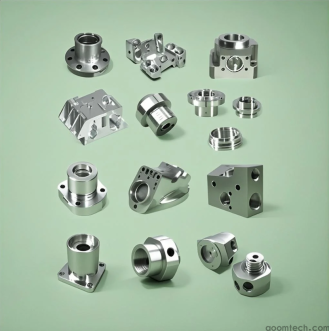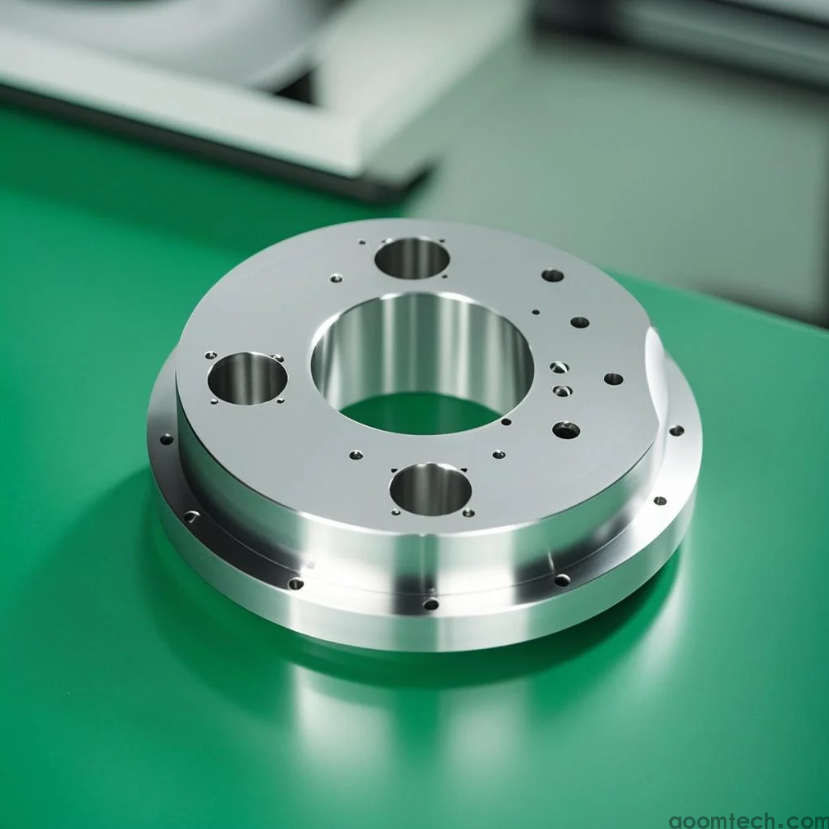
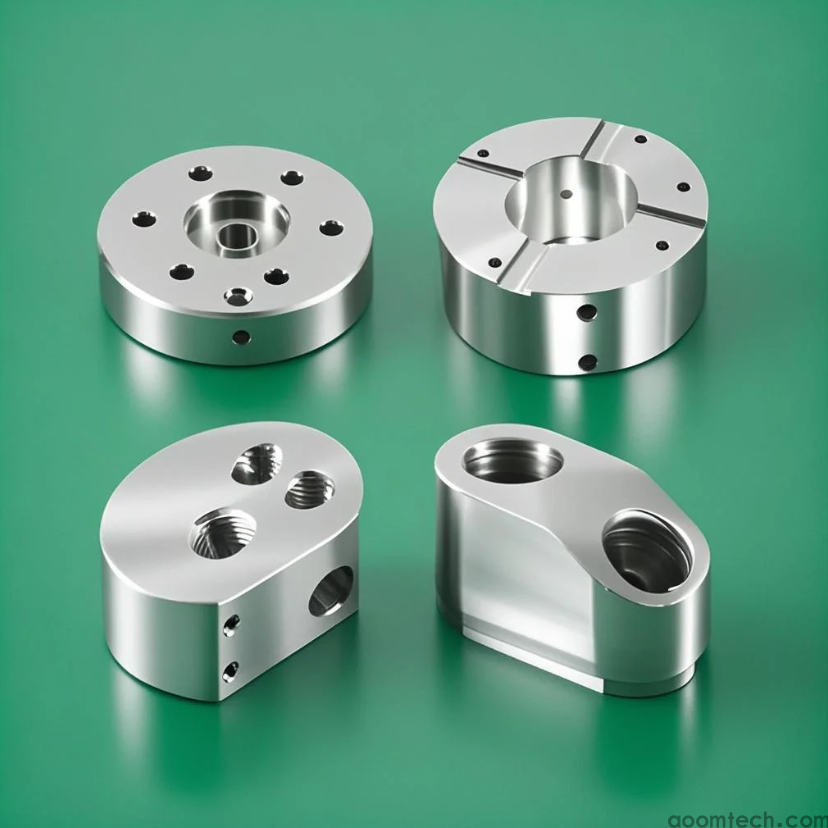
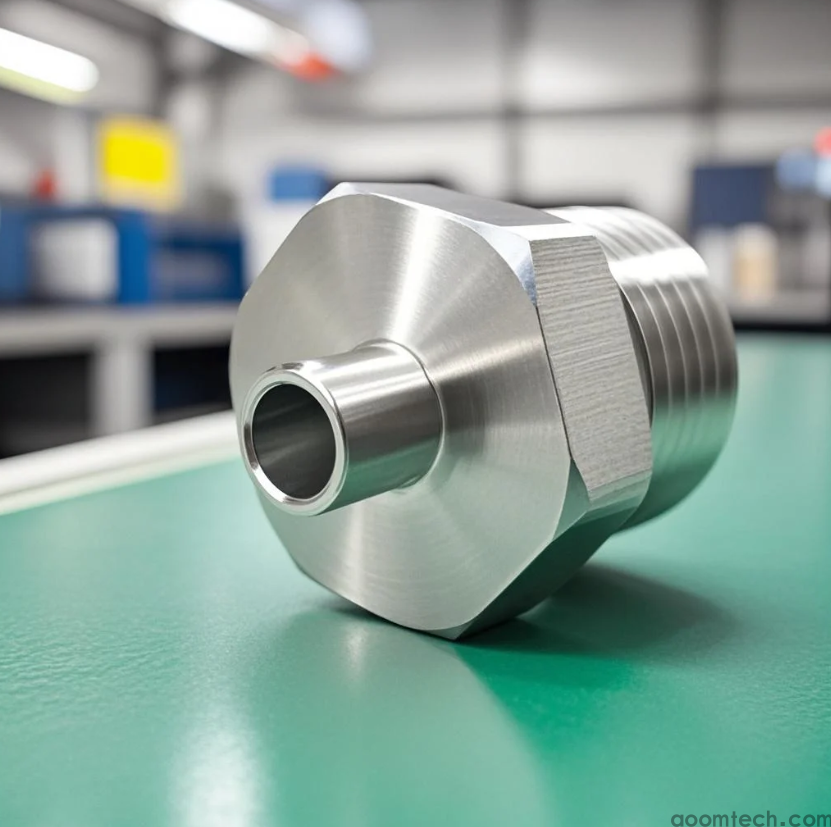
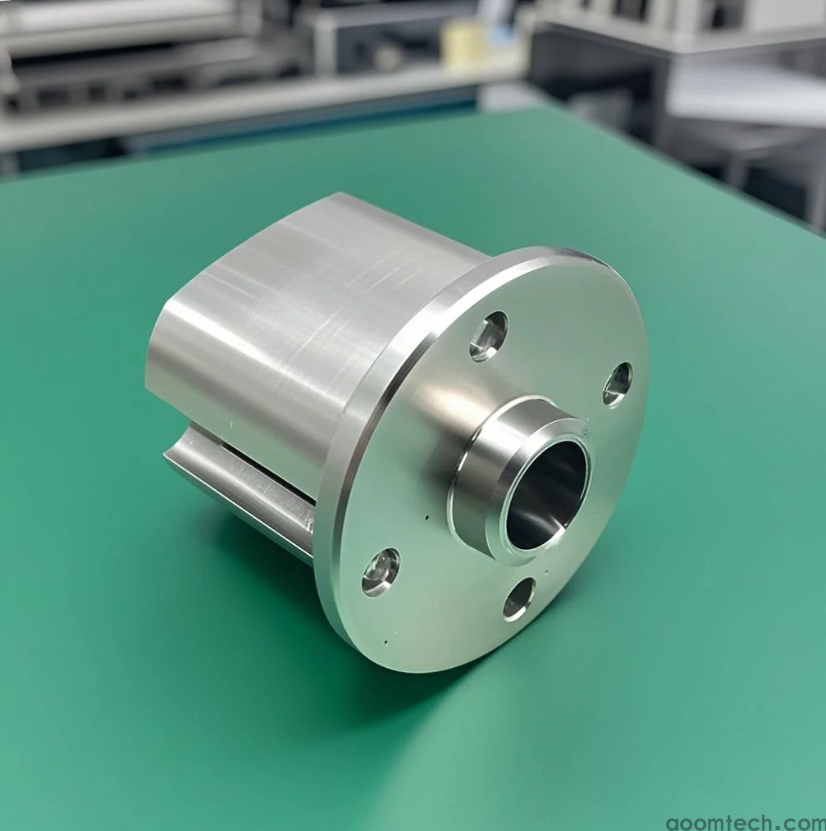
CNC Machining Stainless Steel Parts Services
CNC Machining Stainless Steel Parts Services
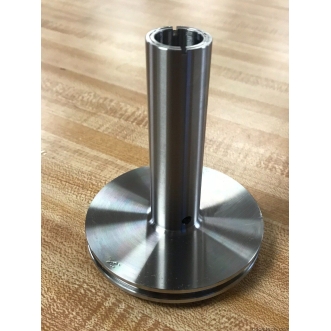
Finding reliable CNC Machining Stainless Steel Parts Services can be challenging for manufacturers across industries. Stainless steel is widely valued for its strength, corrosion resistance, and durability, but these same properties make it difficult to machine efficiently. Common concerns include excessive tool wear caused by stainless steel's hardness, maintaining corrosion resistance after machining, achieving tight tolerances, and controlling production costs. Businesses in automotive, medical, food processing, and industrial sectors often require precision-machined stainless steel components that meet strict quality standards without exceeding budget constraints.
Why Stainless Steel Machining Requires Specialized Expertise
Stainless steel offers numerous performance advantages, including excellent corrosion resistance, high strength, and long service life. However, machining stainless steel presents unique challenges:
High cutting forces due to material hardness and toughness.
Work hardening during machining, making subsequent cutting operations more difficult.
Increased tool wear and shorter tool life.
Heat generation that can affect dimensional accuracy and surface finish.
Maintaining corrosion-resistant properties after machining and finishing.
Professional CNC machining providers utilize specialized equipment, optimized cutting parameters, and advanced tooling strategies to overcome these challenges while ensuring consistent part quality.
Material Selection for Stainless Steel CNC Machining
Selecting the right stainless steel grade is essential for achieving the desired performance and manufacturing efficiency. Common grades include:
304 Stainless Steel
Known for excellent corrosion resistance and versatility, 304 stainless steel is widely used in consumer products, food processing equipment, and general industrial applications.
316 Stainless Steel
Featuring superior resistance to chemicals and moisture, 316 stainless steel is frequently selected for marine environments and precision CNC machining of stainless steel parts for medical instruments.
410 and 420 Stainless Steel
These grades provide higher hardness and wear resistance, making them suitable for tooling components and specialized industrial applications.
17-4 PH Stainless Steel
Offering exceptional strength and corrosion resistance, this precipitation-hardening grade is often used in aerospace, energy, and high-performance engineering projects.
The CNC Machining Process for Stainless Steel Parts
Design Review and Manufacturing Analysis
Every project begins with a detailed review of CAD models and engineering drawings. Design optimization helps reduce unnecessary machining complexity, improve manufacturability, and lower production costs.
Precision CNC Milling
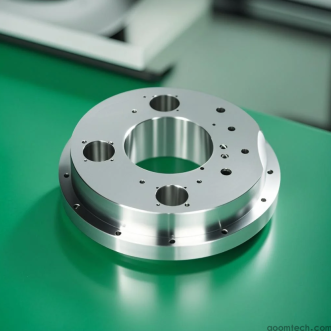
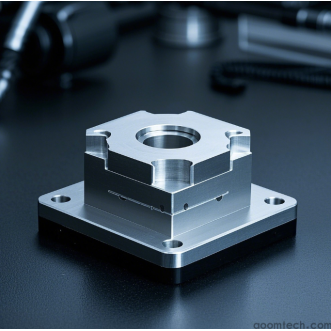
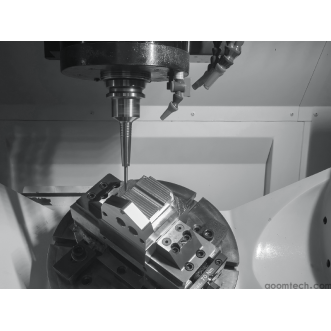
CNC milling creates complex geometries, slots, pockets, and detailed features with exceptional accuracy. Modern multi-axis machining centers can efficiently produce intricate stainless steel components while maintaining tight tolerances.
CNC Turning Operations
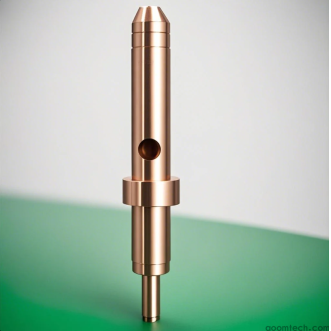
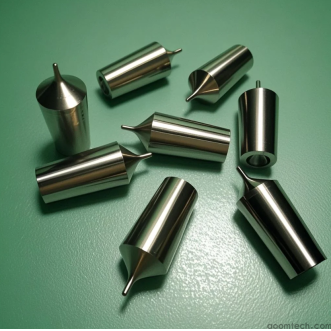
For cylindrical or rotational parts, CNC turning provides excellent dimensional consistency and surface quality. This process is commonly used in CNC machining stainless steel parts services for automotive exhaust, fittings, shafts, and valve components.
Drilling and Threading
Specialized cutting tools and optimized machining parameters ensure accurate hole placement, thread quality, and minimal burr formation.
Surface Finishing
Post-machining finishing processes help improve appearance, functionality, and corrosion resistance. Common finishing methods include:
Mechanical polishing
Electropolishing
Passivation
Bead blasting
Brushed finishes
Ensuring Corrosion Resistance After Machining
One major concern among customers is whether stainless steel will maintain its corrosion-resistant properties after machining. Improper processing can contaminate the material surface or damage its protective oxide layer.
To preserve corrosion resistance, manufacturers implement several best practices:
Using dedicated stainless steel machining tools and workholding equipment.
Preventing contamination from carbon steel particles.
Applying passivation treatments to restore the chromium-rich oxide layer.
Performing thorough cleaning and inspection after machining.
Following industry-specific finishing standards.
These procedures are especially important for medical, food-grade, and chemical processing applications where corrosion performance is critical.
Quality Control Measures for Stainless Steel Components
High-quality CNC machining requires comprehensive inspection throughout production. Effective quality control typically includes:
Incoming material verification.
In-process dimensional inspections.
Coordinate Measuring Machine (CMM) verification.
Surface roughness testing.
Thread and feature inspection.
Final visual and functional evaluations.
These measures ensure that every stainless steel component meets customer specifications and industry requirements.
Cost-Saving Strategies in Stainless Steel CNC Machining
While stainless steel is generally more expensive to machine than aluminum or mild steel, several strategies can significantly improve cost efficiency.
Optimized Part Design
Reducing unnecessary complexity and standardizing features can shorten machining cycles and reduce tooling costs.
Efficient Toolpath Programming
Advanced CAM software minimizes cutting time while maximizing tool life and material utilization.
Appropriate Material Selection
Choosing the most suitable stainless steel grade helps balance performance requirements with manufacturing costs.
Batch Production Planning
Combining similar orders and reducing setup changes can significantly lower production expenses, making cost-effective CNC machining stainless steel parts services for food processing equipment more accessible.
Preventive Tool Management
Monitoring tool wear and replacing tools proactively helps avoid costly quality issues and production interruptions.
Applications of CNC Machined Stainless Steel Parts
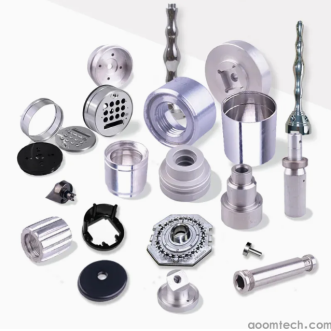
Precision-machined stainless steel components are used in numerous industries, including:
Automotive exhaust systems and performance components.
Medical instruments and surgical devices.
Food processing and packaging equipment.
Energy and power generation systems.
Industrial automation machinery.
Marine and chemical processing equipment.
Growing demand for precision CNC machining of stainless steel parts for medical instruments and CNC machining stainless steel parts services for automotive exhaust demonstrates the material's versatility and reliability across critical applications.
Conclusion
Professional CNC Machining Stainless Steel Parts Services are essential for producing durable, corrosion-resistant, and high-precision components. By addressing challenges such as material hardness, corrosion protection, dimensional accuracy, and production efficiency, experienced machining providers help manufacturers achieve superior results while maintaining cost competitiveness.
Whether you require prototypes, small-batch production, or large-volume manufacturing, partnering with a qualified CNC machining supplier ensures consistent quality and reliable performance. To learn more about related solutions, visit our CNC Machining Services, Stainless Steel Machining, and Custom Machined Parts pages.
RELATED PRODUCTS
-
CNC Machining Stainless Steel Parts Serv
-
CNC Machining Parts Customization Servic
-
CNC Machining Fogger Components Services
-
CNC Non-Standard Product Machining Servi
-
Professional CNC Machining for Titanium
-
5-Axis Precision CNC Machining Services
-
CNC Machining Services for Custom Mechan
-
CNC Machining Engineering Plastics Servi
-
CNC Machining Service Provider for Tungs
-
High-Volume Small Part CNC Machining