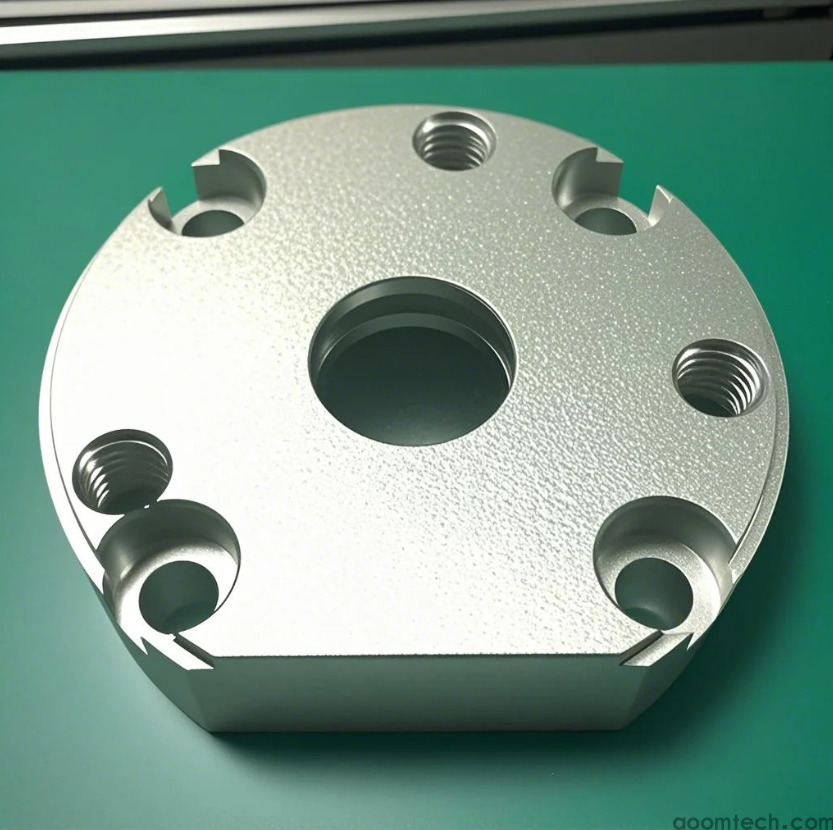
CNC Machining for Elevator Parts
CNC Machining for Elevator Parts
Elevator manufacturers and maintenance providers face significant challenges when producing critical components that must operate safely and reliably for years. Even minor dimensional deviations can affect ride smoothness, increase noise levels, accelerate component wear, or lead to costly maintenance issues. At the same time, manufacturers must meet strict durability requirements while maintaining cost-effectiveness in large-scale production. This is where CNC Machining for Elevator Parts plays a crucial role.
Modern CNC machining technology enables the production of highly accurate and durable elevator components, from cnc machining for elevator car parts to precision cnc machining of elevator guide rails and cost-effective cnc machining for elevator control panel components. Through advanced manufacturing processes, elevator parts can achieve the consistency, wear resistance, and reliability required for safe daily operation.
The Importance of CNC Machining for Elevator Parts
Elevators are complex systems consisting of mechanical, structural, and electronic components that must work together seamlessly. Many of these parts require tight tolerances and excellent surface finishes to ensure smooth movement, reduced vibration, and long service life.
CNC machining offers several advantages for elevator component manufacturing:
High dimensional accuracy and repeatability.
Consistent quality across large production batches.
Capability to machine complex geometries.
Improved surface finish and component durability.
Efficient production for both custom and high-volume orders.
These benefits make CNC machining a preferred manufacturing method for modern elevator systems.
CNC Machining Processes Used for Elevator Parts
CAD Design and CNC Programming
The manufacturing process begins with detailed CAD models that define all dimensions, tolerances, and functional requirements. Engineers use CAM software to generate optimized machining toolpaths that maximize efficiency while maintaining accuracy.
Proper programming is especially important when producing components that interact with guide systems, doors, and lifting mechanisms, where precision directly affects operational performance.
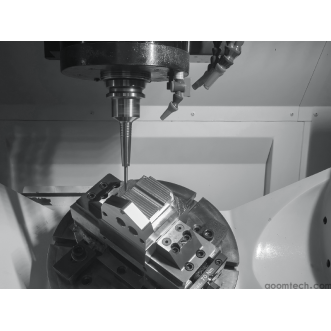
Milling Operations
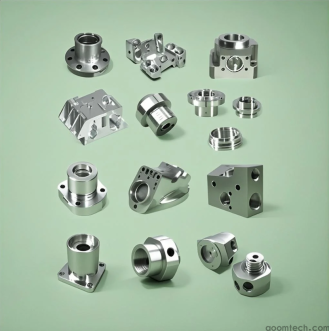
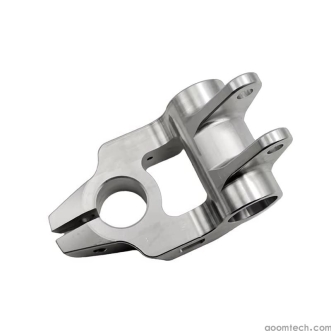
CNC milling is widely used to manufacture structural and mechanical elevator components. Common applications include:
Mounting brackets
Support structures
Door system components
Machine room parts
Elevator car frame components
For cnc machining for elevator car parts, milling ensures precise dimensions that contribute to stable operation and passenger comfort.
Turning Operations
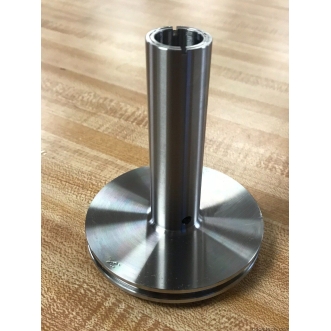
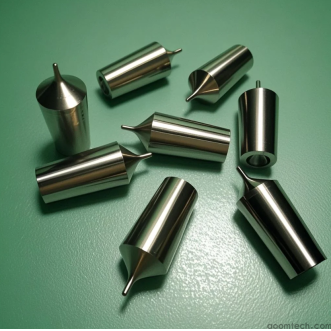
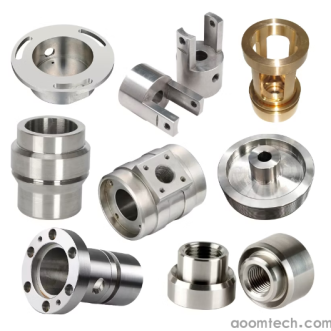
CNC turning is ideal for producing cylindrical elevator components such as:
Shafts
Rollers
Pulleys
Bushings
Bearing housings
These parts require tight tolerances and smooth surface finishes to reduce friction and wear during long-term operation.
Drilling and Threading
Many elevator assemblies rely on accurately positioned holes and threaded features for secure installation. CNC drilling and tapping ensure precise alignment and consistent assembly quality across production runs.
Precision Machining of Guide Rail Components
One of the most critical applications is precision cnc machining of elevator guide rails. Guide rails must maintain exceptional straightness, dimensional consistency, and surface quality to ensure smooth vertical movement and passenger safety.
Advanced CNC machining techniques help achieve the required tolerances while minimizing vibration and operational noise.
Material Selection for Elevator Parts
Material choice significantly impacts durability, wear resistance, and overall elevator performance. Manufacturers select materials based on load requirements, environmental conditions, and expected service life.
Carbon Steel
Carbon steel is commonly used for structural elevator components due to its strength, durability, and cost-effectiveness. It is often treated with protective coatings to enhance corrosion resistance.
Stainless Steel
Stainless steel is widely used for visible elevator components and high-wear applications because of its excellent corrosion resistance, strength, and attractive appearance.
Aluminum Alloys
Aluminum offers lightweight properties and good machinability, making it suitable for interior structures, decorative panels, and electronic enclosures.
Engineering Plastics
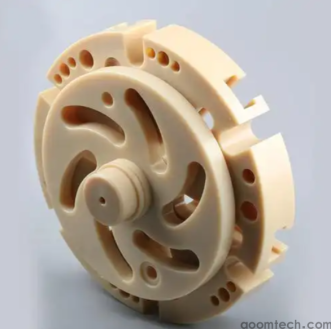
Specialized plastics may be used for wear pads, insulation components, and noise-reduction parts where low friction and reduced maintenance are important.
Addressing Wear Resistance Requirements
One of the biggest concerns in elevator manufacturing is component longevity. High-contact parts experience continuous movement and mechanical stress. To improve wear resistance, manufacturers may apply:
Heat treatment processes.
Surface hardening techniques.
Protective coatings.
Precision grinding and polishing.
These treatments extend service life and reduce maintenance costs over time.
Quality Control Measures for Elevator Components
Dimensional Inspection
Ensuring precision is essential for smooth elevator operation. Quality control teams verify critical dimensions using advanced measurement equipment such as:
Coordinate Measuring Machines (CMM).
Digital calipers.
Micrometers.
Laser measurement systems.
Surface Quality Evaluation
Surface finish directly affects wear resistance and mechanical performance. Inspections verify that machined surfaces meet design specifications and industry standards.
Material Verification
Raw materials undergo testing to confirm chemical composition, mechanical strength, and compliance with engineering requirements.
Functional Testing
Finished components may be subjected to assembly and operational testing to ensure compatibility with elevator systems and verify long-term reliability.
Cost-Saving Strategies in CNC Machining for Elevator Parts
While precision and durability are essential, manufacturers also seek cost-effective production solutions. Several strategies help optimize manufacturing costs without compromising quality.
Optimized Toolpaths
Advanced CAM software reduces unnecessary machine movements, shortens cycle times, and improves machining efficiency.
High-Volume Production Efficiency
For large-scale manufacturing, CNC automation delivers consistent quality while minimizing labor costs and production errors.
Material Utilization Optimization
Efficient nesting and machining strategies reduce material waste and improve overall production economics.
Reduced Secondary Operations
Multi-axis CNC machines can perform multiple machining processes in a single setup, lowering production time and improving accuracy.
These advantages are especially beneficial for cost-effective cnc machining for elevator control panel components, where consistent quality and competitive pricing are essential.
The Role of CNC Machining in Modern Elevator Manufacturing
As elevator systems become more advanced, the demand for precise, durable, and reliable components continues to grow. CNC machining supports the production of:
Elevator car structures.
Guide rail components.
Door system parts.
Control panel housings.
Drive system components.
Safety mechanism assemblies.
By delivering repeatable accuracy and excellent material utilization, CNC machining helps manufacturers meet industry standards while supporting innovation in elevator design and performance.
Conclusion
CNC Machining for Elevator Parts is essential for producing components that meet the demanding requirements of safety, durability, and operational efficiency. Through advanced machining processes, careful material selection, comprehensive quality control, and cost-saving manufacturing strategies, CNC technology enables the production of reliable elevator components that perform consistently throughout their service life.
To learn more about our precision manufacturing capabilities, explore our related solutions:
CNC Machining Services | Custom Metal Components | Precision Machined Parts
RELATED PRODUCTS
-
Professional CNC Machining for Titanium
-
5-Axis Precision CNC Machining Services
-
CNC Machining Services for Custom Mechan
-
CNC Machining Engineering Plastics Servi
-
CNC Machining Service Provider for Tungs
-
High-Volume Small Part CNC Machining
-
CNC Machining for Non-Standard Custom Pa
-
High-Volume Automotive Parts CNC Machini
-
CNC Machining Aircraft Parts
-
Aluminum Parts CNC Machining Process