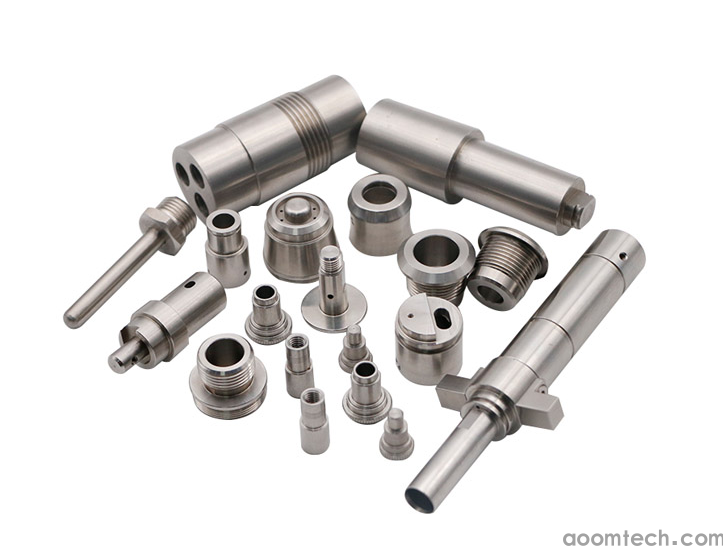
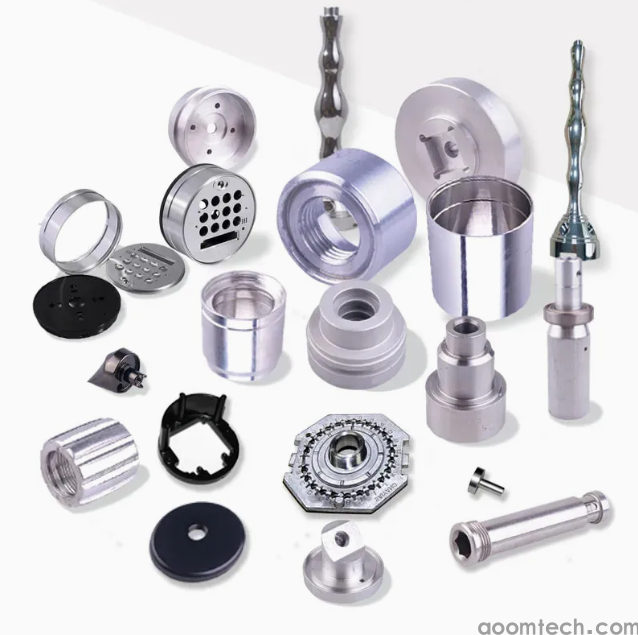
CNC Machining for Non-Standard Custom Parts
CNC Machining for Non-Standard Custom Parts
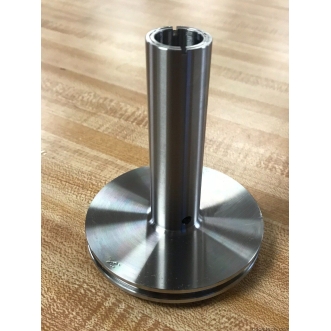
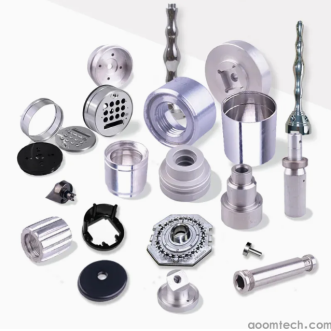
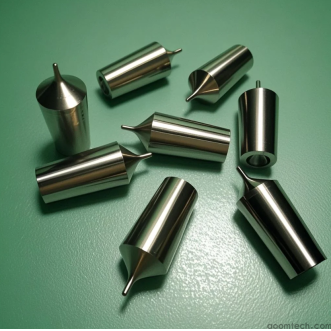
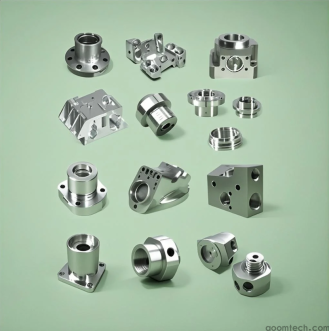
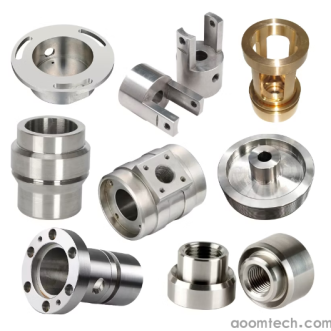
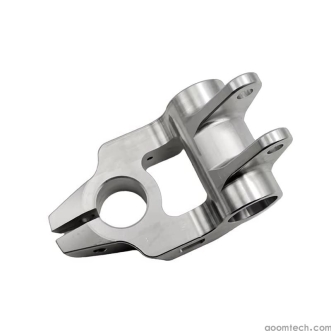
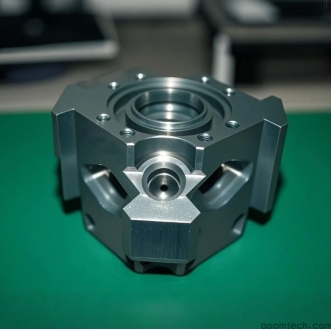
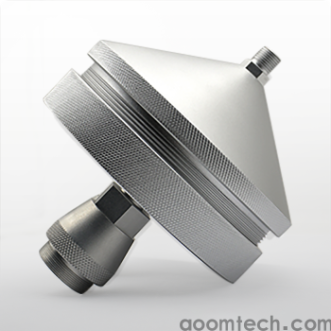
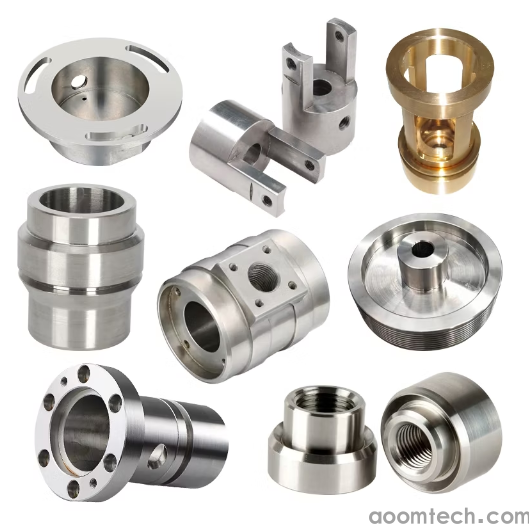
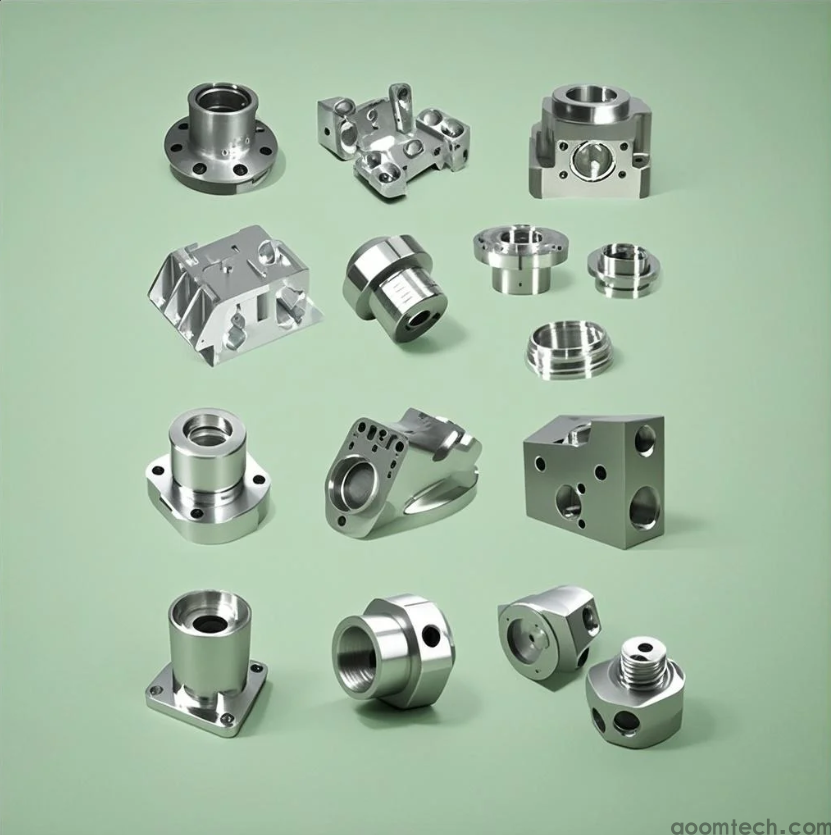
Manufacturing non-standard custom parts presents unique challenges that go beyond conventional machining. These components often involve intricate geometries, tight tolerances, and specialized material requirements. Achieving high precision while keeping costs manageable can be particularly difficult when dealing with low-volume or one-off parts. CNC Machining for Non-Standard Custom Parts provides a reliable solution for industries that require tailored components with exceptional accuracy and quality.
Whether you are seeking cnc machining for non-standard custom parts in the aerospace industry, precision cnc machining of non-standard custom mechanical parts, or cost-effective cnc machining for non-standard custom small-batch parts, understanding the end-to-end process is crucial to overcoming production challenges.
Design-to-Production Process for Non-Standard Parts
CAD Modeling and Engineering Analysis
The production of non-standard custom parts starts with detailed CAD models that define every critical dimension, surface feature, and tolerance. Engineering analysis may be performed to ensure the design can withstand operational stresses and function as intended. Proper design validation reduces the risk of errors during machining and minimizes costly revisions.
CAM Programming for Complex Geometries
Advanced CAM (Computer-Aided Manufacturing) software translates CAD models into precise CNC toolpaths. For non-standard parts with complex curves, cavities, or multi-surface interactions, toolpath optimization ensures efficient material removal while maintaining tight tolerances and surface quality.
Material Selection for Custom Parts
Material choice is a critical factor in non-standard CNC machining, as it impacts machinability, part performance, and cost. Common materials include:
Aluminum alloys: Lightweight, corrosion-resistant, and ideal for aerospace and mechanical components.
Stainless steel: Durable and wear-resistant, suitable for mechanical assemblies and high-load applications.
Titanium: High strength-to-weight ratio for aerospace and high-performance parts.
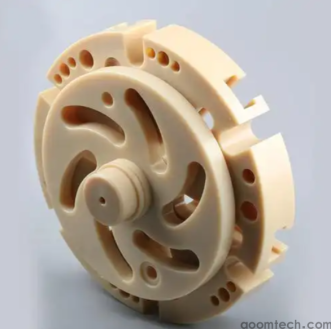
Engineering plastics: Low-friction, corrosion-resistant materials for specialized mechanical applications.
Choosing the right material ensures part functionality, machinability, and longevity.
CNC Machining Techniques for Non-Standard Parts
Multi-Axis Milling and Turning
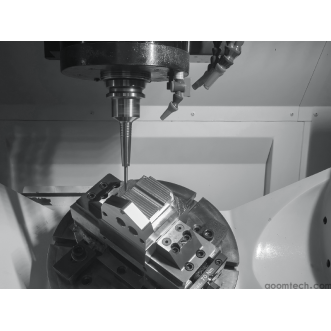
Complex non-standard parts often require multi-axis milling and turning to achieve intricate shapes and precise dimensions. Multi-axis CNC machines allow for machining multiple surfaces in a single setup, reducing handling errors and improving dimensional accuracy.
Drilling, Threading, and Custom Features
CNC drilling, tapping, and other secondary operations enable the creation of functional holes, threads, and features essential for mechanical assembly. These processes ensure that even unique components integrate seamlessly into larger systems.
High-Precision Finishing
Finishing operations, such as surface polishing, deburring, or contour refinement, are vital for parts requiring tight tolerances or aesthetic quality. For precision cnc machining of non-standard custom mechanical parts, these finishing processes guarantee optimal performance and reliability.
Quality Control Measures
Dimensional and Geometrical Verification
High-precision parts require thorough inspection to confirm that all dimensions and geometries meet design specifications. Measurement tools often include:
Coordinate Measuring Machines (CMM)
Laser scanning systems
Micrometers and calipers
Optical comparators
Material Testing and Compliance
Raw materials are verified for composition, mechanical properties, and compliance with industry standards to ensure reliability and safety, especially in aerospace or high-stress applications.
Functional Testing
Non-standard parts may undergo assembly or operational testing to ensure proper fit and functionality within the intended system.
Cost-Effective Strategies for Custom CNC Machining
Managing costs in low-volume or highly customized parts production requires careful planning and strategic processes. Key approaches include:
Optimized toolpaths to reduce machine time and material waste.
Multi-axis machining to minimize setups and handling.
Batch production for small-lot runs to improve efficiency.
Use of standardized tooling when possible to reduce setup costs.
Preventive maintenance and in-process monitoring to avoid defects.
These strategies ensure that cost-effective CNC machining for non-standard custom small-batch parts is achievable without compromising quality or precision.
Conclusion
CNC Machining for Non-Standard Custom Parts enables manufacturers to produce complex, high-precision components tailored to specific requirements. By integrating careful material selection, advanced machining techniques, and rigorous quality control, custom parts can be produced reliably, efficiently, and cost-effectively across various industries, including aerospace, mechanical engineering, and specialized manufacturing sectors.
Explore our full range of CNC machining solutions for custom and non-standard parts:
Custom CNC Machining Services | Precision Mechanical Parts | Aerospace CNC Components
RELATED PRODUCTS
-
Professional CNC Machining for Titanium
-
5-Axis Precision CNC Machining Services
-
CNC Machining Services for Custom Mechan
-
CNC Machining Engineering Plastics Servi
-
CNC Machining Service Provider for Tungs
-
High-Volume Small Part CNC Machining
-
CNC Machining for Non-Standard Custom Pa
-
High-Volume Automotive Parts CNC Machini
-
CNC Machining Aircraft Parts
-
Aluminum Parts CNC Machining Process