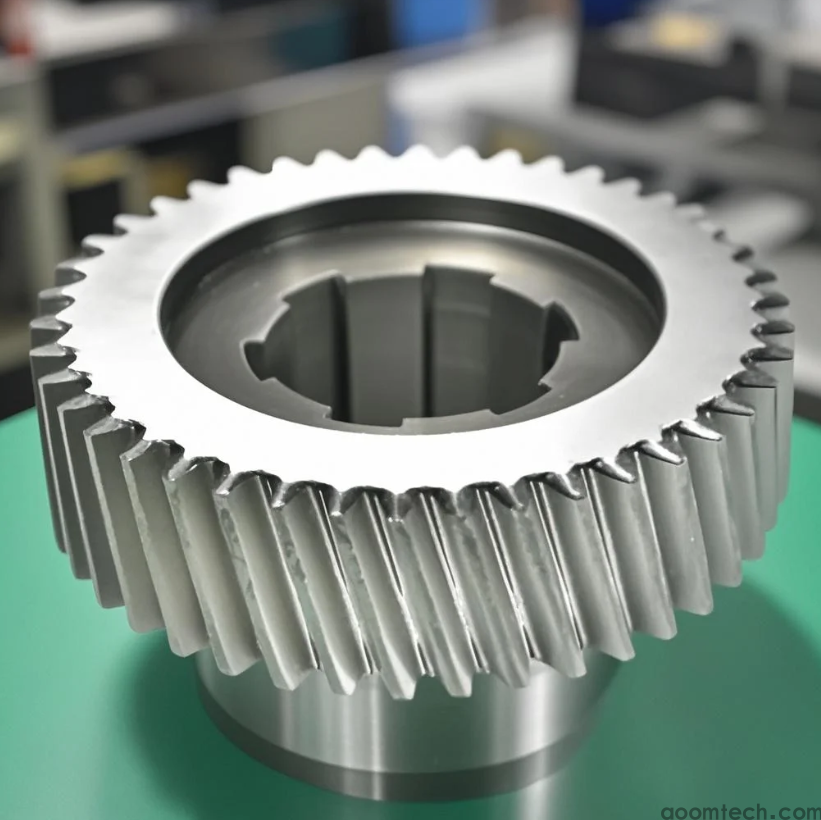
High-Volume Automotive Parts CNC Machining
High-Volume Automotive Parts CNC Machining
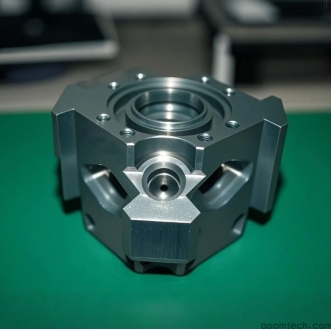
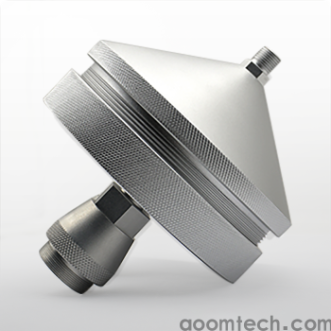
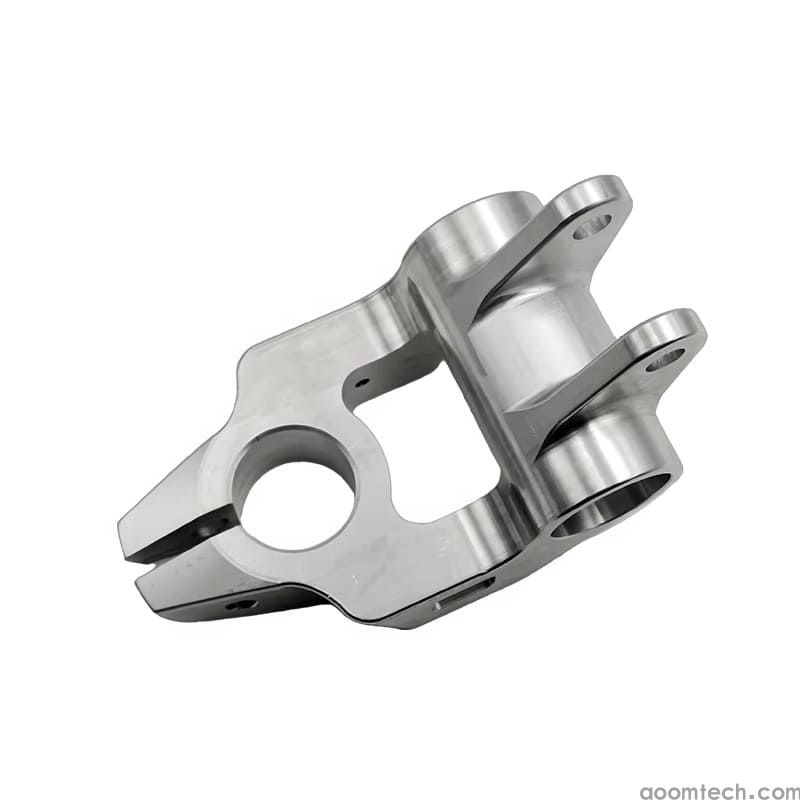
Mass-producing automotive components presents a unique set of challenges for manufacturers. Ensuring consistent quality, maintaining tight tolerances, and achieving cost-efficiency are critical concerns when scaling up production. Even minor deviations in engine, transmission, or suspension parts can lead to performance issues, increased warranty costs, and safety risks. A robust High-Volume Automotive Parts CNC Machining process addresses these challenges by combining precision, repeatability, and efficiency.
Whether your project requires high-volume automotive engine parts CNC machining, cnc machining for high-volume automotive transmission parts, or cost-effective high-volume CNC machining of automotive suspension parts, understanding each stage of production is key to achieving reliable outcomes in mass manufacturing.
Understanding High-Volume Automotive CNC Machining
CNC machining allows automotive manufacturers to produce complex components with tight tolerances and consistent quality across large production runs. By automating toolpaths and leveraging advanced machining strategies, high-volume CNC processes minimize human error, reduce cycle times, and improve cost efficiency.
High-volume automotive CNC machining is essential for:
Engine blocks, cylinder heads, and other powertrain components.
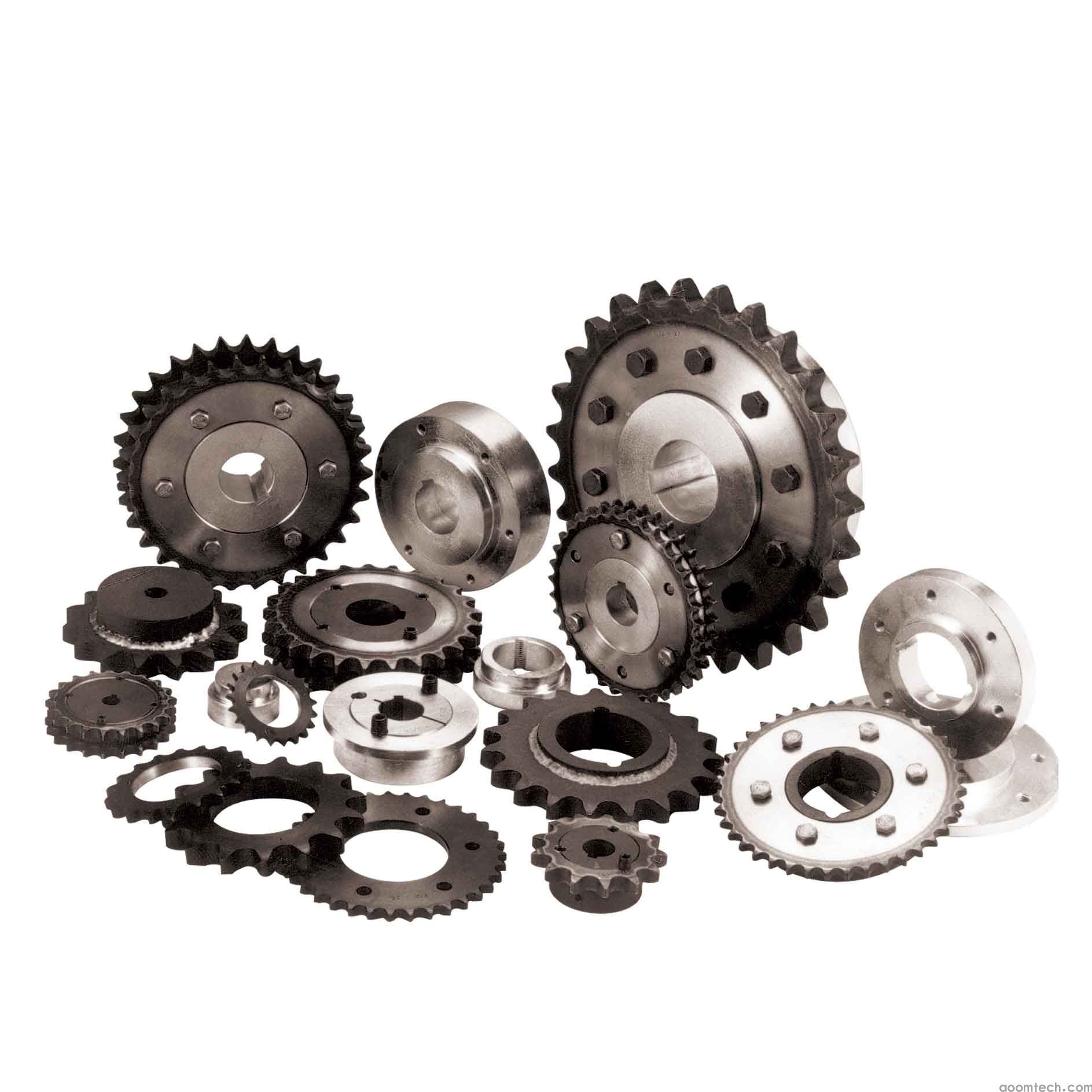
Transmission housings, gears, and shafts.
Suspension components such as control arms and brackets.
Structural and chassis components.
Precision interior and exterior metal parts.
Step 1: Material Selection for Automotive Parts
Material selection directly impacts part performance, machinability, and production cost. Common materials used in automotive CNC machining include:
Aluminum alloys: Lightweight, corrosion-resistant, ideal for engine and transmission housings.
High-strength steel: Essential for suspension components and load-bearing parts.
Titanium: Used in high-performance applications for strength-to-weight benefits.
Cast iron: Often used in engine blocks and brake components for durability and wear resistance.
Choosing the right material ensures compatibility with high-speed machining operations and meets automotive performance requirements.
Step 2: CNC Machining Processes
CAD Design and CAM Programming
The process begins with precise CAD modeling and CAM programming. Toolpaths are optimized for efficiency, minimizing machine movements while ensuring consistent part quality. This step is crucial when handling high-volume automotive engine parts CNC machining or other complex assemblies.
Multi-Axis Milling and Turning
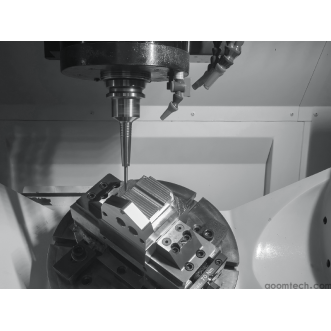
High-volume automotive parts often require multi-axis milling and turning to achieve intricate geometries. CNC milling is used for flat surfaces, pockets, and complex contours, while turning handles cylindrical components such as shafts, pins, and axles. Advanced multi-axis machines reduce setups and enhance production efficiency.
Drilling, Threading, and Secondary Operations
CNC drilling and threading ensure precise hole placement and assembly compatibility. Secondary operations such as tapping, reaming, and counterboring are integrated to minimize handling and reduce cycle times.
Machining of Transmission and Suspension Components
When performing cnc machining for high-volume automotive transmission parts or cost-effective high-volume CNC machining of automotive suspension parts, precision and repeatability are critical. Tight tolerances must be maintained across thousands of components to ensure smooth operation, durability, and vehicle safety.
Step 3: Quality Control Measures
Dimensional Inspection
High-volume production requires rigorous quality control to maintain part consistency. Common inspection tools include:
Coordinate Measuring Machines (CMM)
Laser scanning systems
Micrometers and calipers
Optical comparators
Surface Finish and Material Testing
Surface finish directly affects wear, friction, and assembly performance. Material properties are verified through hardness testing, tensile strength checks, and chemical composition analysis to ensure compliance with automotive standards.
Process Monitoring and In-Process Control
Continuous monitoring during machining, including tool wear and vibration analysis, ensures consistent quality and reduces the likelihood of defective parts during high-volume runs.
Step 4: Cost-Saving Strategies in High-Volume CNC Machining
Manufacturers can optimize production costs without compromising quality by implementing the following strategies:
Automated multi-axis CNC operations to reduce setups.
Toolpath optimization to minimize cycle times.
High-efficiency cutting tools for longer tool life.
Batch machining to reduce material handling.
Preventive maintenance to avoid machine downtime.
These approaches are particularly beneficial for large-scale projects, allowing for cost-effective high-volume CNC machining of automotive suspension parts and other critical components.
Conclusion
High-Volume Automotive Parts CNC Machining enables manufacturers to produce engine, transmission, suspension, and other automotive components with unmatched precision, consistency, and efficiency. By combining advanced machining techniques, careful material selection, and rigorous quality control, manufacturers can meet the demanding requirements of the automotive industry while optimizing production costs.
To learn more about our CNC machining capabilities for automotive applications, explore our related services:
CNC Automotive Machining | Precision Metal Components | Custom CNC Parts
RELATED PRODUCTS
-
Professional CNC Machining for Titanium
-
5-Axis Precision CNC Machining Services
-
CNC Machining Services for Custom Mechan
-
CNC Machining Engineering Plastics Servi
-
CNC Machining Service Provider for Tungs
-
High-Volume Small Part CNC Machining
-
CNC Machining for Non-Standard Custom Pa
-
High-Volume Automotive Parts CNC Machini
-
CNC Machining Aircraft Parts
-
Aluminum Parts CNC Machining Process