


Лучшие материалы для обрабатывающих приводных валов с ЧПУ: практическое руководство
Привет, коллеги-инженеры и профессионалы в области закупок! ? Когда-нибудь застрял на собрании, обсуждая best material for a CNC machined drive shaft? You know the drill – one team argues for strength, another for cost, and you're left wondering if there's a perfect answer. The truth is, picking the wrong material can lead to premature failure, costly downtime, and a whole lot of headaches. So, let's cut through the noise and figure this out together. What exactly should you be looking for?
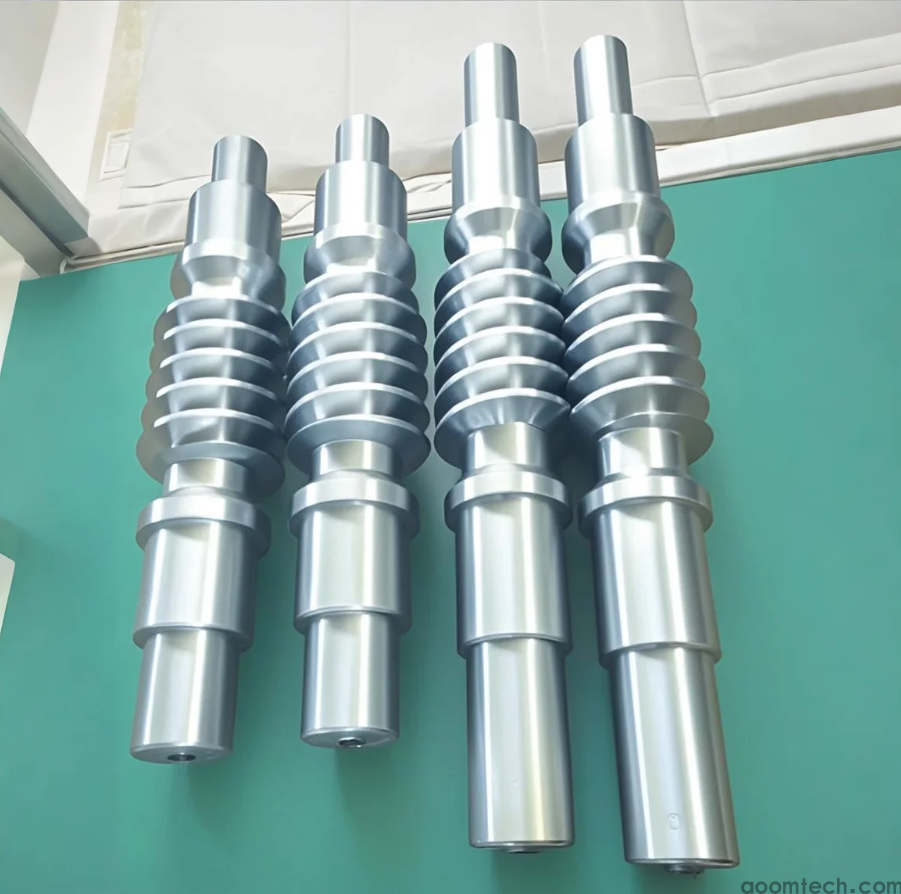
Что особенного в материалах для приводных валов?
Думайте о приводном валу как об основе вашей системы передачи энергии. Он должен быть жестким, но не хрупким; устойчив к износу, но часто должен быть легким. Основной вопрос, который мы решаем, заключается в следующем: CNC加工传动轴用什么材料好? Or in English, what materials are best? The short answer is: it wildly depends on your application. There's no one-size-fits-all, but some materials are superstar performers for most jobs. We'll dive into those now.
Главный претендент: легированная сталь (например, 414 или 434)
Если мы говорим о рабочей лошадке, то это легированная сталь. я вижу это используется all the time.
Почему это здорово:
• Super strong and tough: It handles high torque and shock loads like a champion.
• Great wear resistance: It lasts a long time, even in tough conditions.
• Cost-effective: Generally offers a good balance of performance and price.
Остерегайтесь:
• Он тяжелый, поэтому не идеально подходит для приложений, где вес является серьезной проблемой (например, для аэрокосмической промышленности).
• It can rust if not properly coated or treated.
Мое мнение? Для большинства промышленных машин, тяжелого оборудования и автомобильных применений, alloy steel is the default starting point. It's a safe, reliable bet. The specific heat treatment process, however, can drastically change its properties, and that's an area where the exact science can get pretty complex.
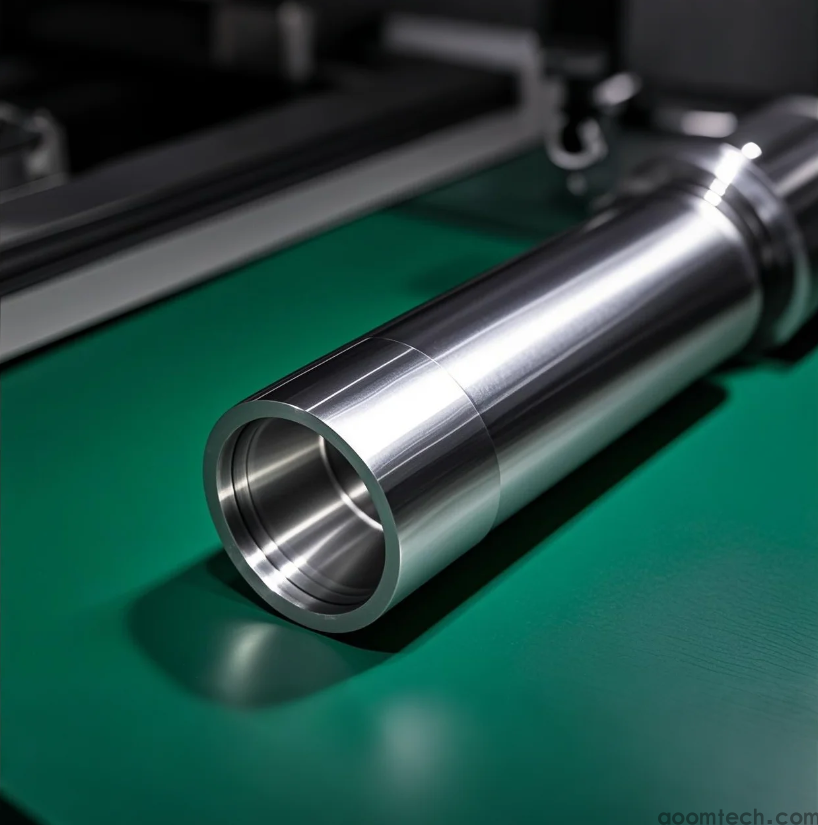
Чемпион в легком весе: алюминий (например, 6061 или 7075)
Нужно что-то легкое и быстрое для машины? Алюминий ваш друг.
Почему это здорово:
• Super lightweight: Crucial for drones, racing vehicles, and high-speed spindles.
• Good strength-to-weight ratio: 7075 aluminum, for instance, has strength close to some steels.
• Corrosion resistant: It forms a protective oxide layer naturally.
Остерегайтесь:
• Не такой прочный, как сталь, поэтому он не подходит для применения в тяжелых условиях с высоким крутящим моментом.
• It can fatigue over time under repeated stress.
Я часто использую алюминиевые прототипы, потому что они быстро обрабатываются и с ними легко тестируются. Но для конечного продукта, который должен быть избит, вам, возможно, придется искать в другом месте.
Истребитель коррозии: нержавеющая сталь (как 304 или 316)
Работа во влажной или химической среде? Нержавеющая сталь поднимается вверх.
Почему это здорово:
• Excellent corrosion resistance: Perfect for food processing, marine, or chemical industries.
• Good strength and hardness: It's certainly no slouch in the performance department.
Остерегайтесь:
• More expensive than alloy steels.
• It can be a bit gummy and tougher on cutting tools during the CNC machining process.
В то время как нержавеющая сталь отлично противостоит ржавчине, механизм за ее пассивирующим слоем - это то, что я не совсем компетентен, чтобы подробно объяснить. Это просто работает! ? Но, говоря о вещах, которые работают, есть еще один вариант, который тихо блестящий.
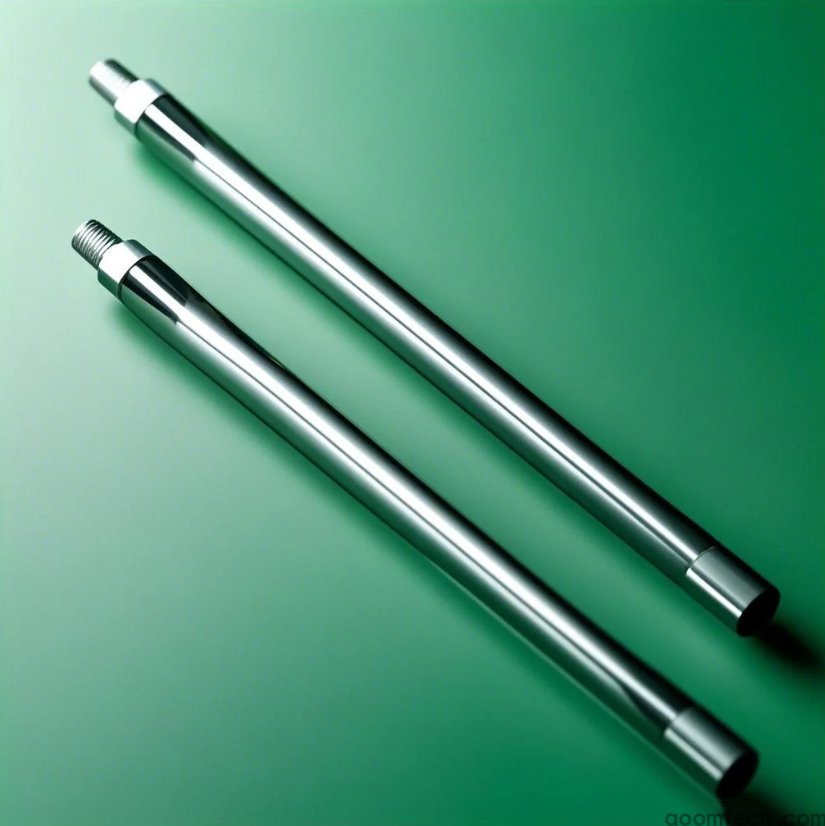
Специалист: Титан (как класс 5 или Ti-6Al-4V)
Когда тебе нужен ультимейт combination of strength, lightness, and corrosion resistance, titanium is the answer. But it comes at a price.
Почему это здорово:
• Невероятное соотношение силы и веса.
• Биосовместимый и устойчивый к коррозии.
Остерегайтесь:
• Very high cost for both material and machining.
• Challenging to machine, requiring specialized tools and expertise.
Вы найдете это в топовой аэрокосмической отрасли, медицинских имплантатах и высокопроизводительных гонках. Perhaps it's not an overstatement to say that for the most demanding applications, titanium is unbeatable. But for the other 95% of projects, the previous options are more than enough.
Итак, как вы на самом деле выбираете?
Не просто выбирайте "лучший" материал. Выберите right one. Ask yourself these questions:
• What are the torque and load requirements? (This points you to strength needs)
• Is weight a critical factor? (This decides the strength-to-weight ratio focus)
• What environment will it operate in? (Wet, dry, chemical? This dictates corrosion resistance)
• What's the budget? (This is the reality check!)
По моему опыту, хорошо подобранный alloy steel often provides the best value for general engineering. However, the rise of compact, high-performance robotics is pushing more designers towards advanced aluminum alloys and even composites, though that's a topic for another day. The landscape of available materials is always shifting, and what was ideal a decade ago might be surpassed by something new tomorrow.
 Как рассчитать стоимость обработки с ЧПУ
Как обеспечить точность в обрабатываемых деталях с ЧПУ
Малая партия прецизионных деталей с ЧПУ Производитель
Какие факторы влияют на котировку обработки с ЧПУ?
Как рассчитать стоимость обработки с ЧПУ
Как обеспечить точность в обрабатываемых деталях с ЧПУ
Малая партия прецизионных деталей с ЧПУ Производитель
Какие факторы влияют на котировку обработки с ЧПУ?