


Как выбрать поставщика для обработки медных деталей с ЧПУ
Найти мастерскую, в которой говорится, что они могут обрабатывать медь, легко. But finding the *right* partner who truly understands the quirks of copper and can deliver consistent, precision results? That's where the real challenge begins. ? If you're a procurement manager or an engineer tired of dealing with surface scratches, poor tolerances, or unreliable delivery on your copper components, you're asking the perfect question. Let's break down this selection process, step by step.
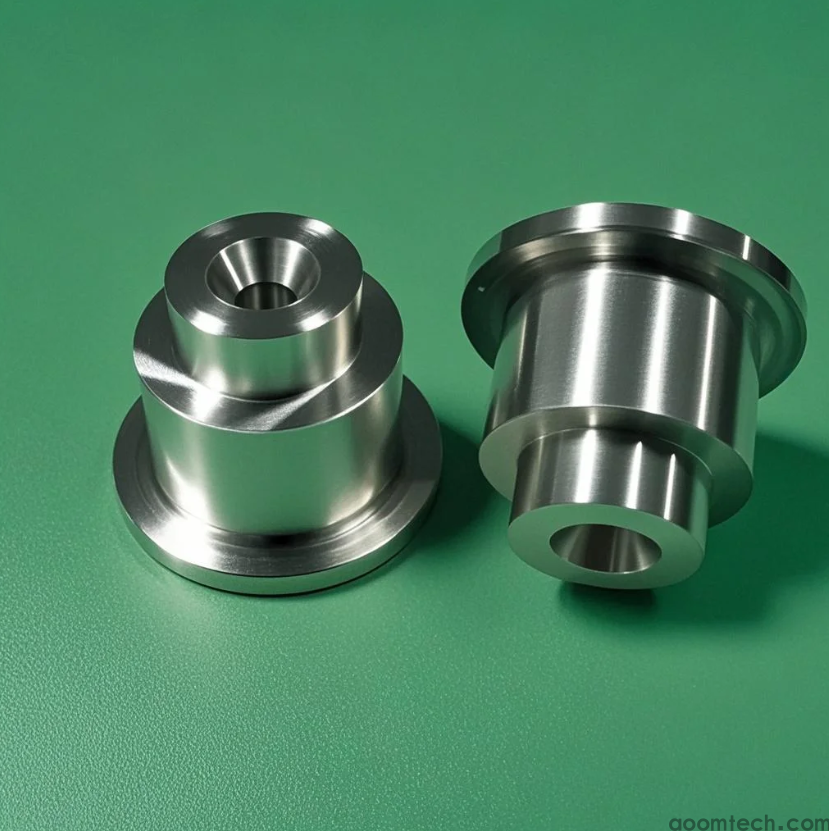
Прежде всего: почему обработка меди такая сложная?
Прежде чем мы углубимся в выбор, давайте разберемся в "почему". Медь и ее сплавы (например, латунь и бронза) - замечательные материалы - отличная проводимость, коррозионная стойкость и обрабатываемость. However, they can be soft and gummy, which sounds good but can lead to built-up edge on tools, poor surface finish if not handled correctly, and challenges in holding tight tolerances. A supplier who treats copper like steel is a red flag. ?
Шаг 1: Посмотрите за пределы списка машин (оцените их опыт)
Многие поставщики перечислят свои станки с ЧПУ. Это основное. Вам нужно копать глубже:
• Ask about *specific* experience with copper alloys: "How many projects have you done with C11000 electrolytic copper or C36000 brass?" Real experience matters.
• Inquire about tooling and parameters: Do they use specialized tool geometries or coatings (like diamond-like carbon) for non-ferrous metals? Their answer perhaps hints at their level of sophistication.
• Request case studies or samples: Seeing is believing. A confident supplier can show you finished parts.
Мое мнение: Я часто вижу, как покупатели переоценивают марку машины. Но опытный оператор на старой машине может превзойти новичка на последней модели, когда дело доходит до привередливых материалов, таких как медь.
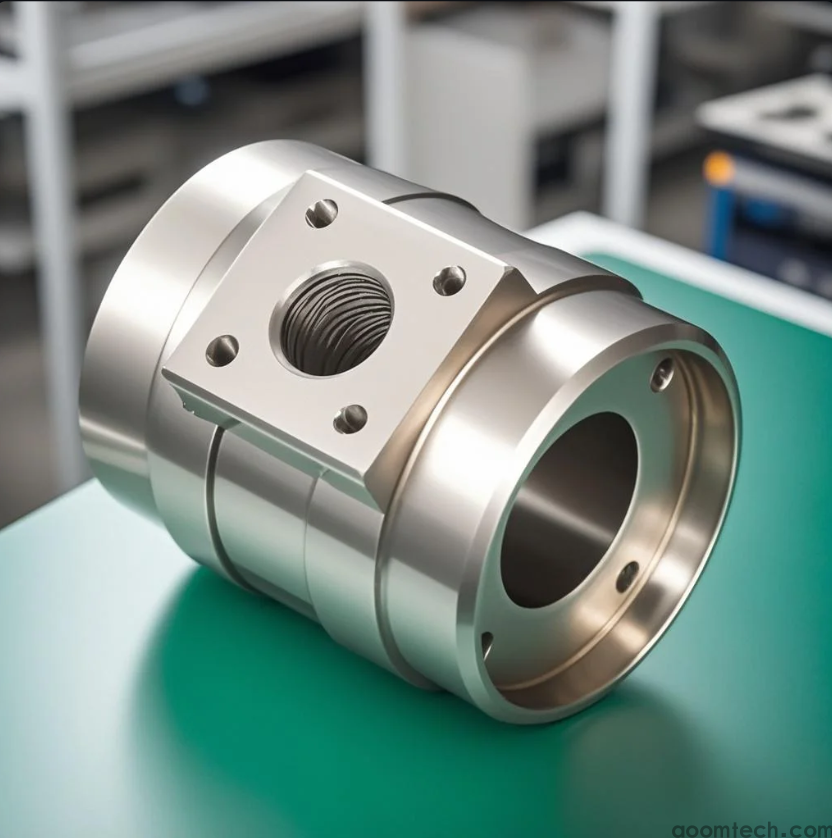
Шаг 2: тщательно изучить процесс контроля качества
Точность не подлежит обсуждению. Как они это гарантируют?
• First-article inspection (FAI): Do they have a formal process? Will they provide you with inspection reports?
• In-process checks: For longer runs, how do they ensure part 10 is identical to part 1?
• Measurement equipment: Do they have capable tools (like micrometers, CMMs, surface profilometers) to verify the specs *you* care about?
Вот профессиональный совет: Спросите их, "What's the most common quality issue you encounter with copper parts, and how do you prevent it?" Their response will tell you volumes about their problem-solving mindset.
Шаг 3: Коммуникация и обслуживание - Make or Break
Это может быть самым важным шагом. Идеальная деталь, доставленная с опозданием, бесполезна. Небольшая проблема, о которой нельзя четко сообщить, становится большой проблемой.
• Responsiveness: Do they answer technical questions clearly and promptly?
• Transparency on challenges: If there's a design for manufacturability (DFM) issue, will they speak up early, or just quote and hope for the best?
• Willingness to collaborate: Are they a true partner for prototyping and refining the design?
Личная точка зрения: Я бы выбрал немного более дорогого поставщика с безупречной связью, а не более дешевого и бесшумного в любой день. Скрытые затраты на недопонимание огромны. but speaking of which..., you need to balance cost with all these factors.
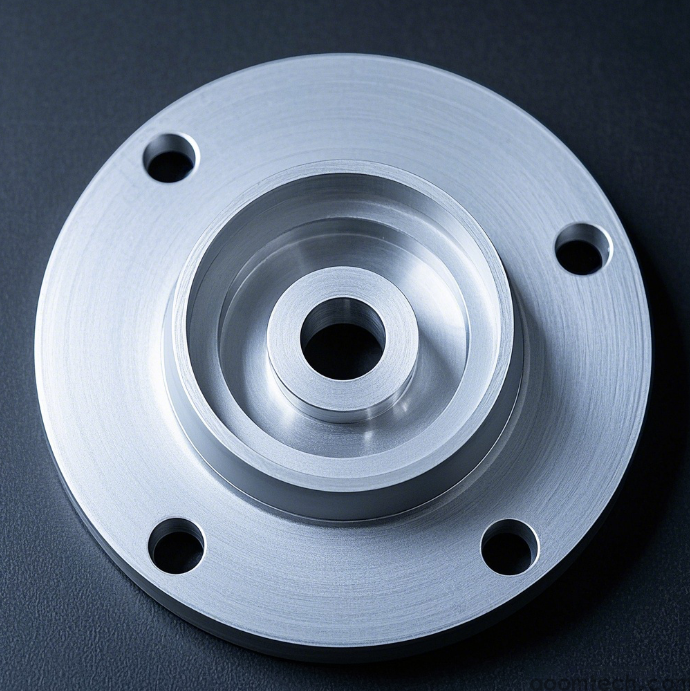
Шаг 4: Не ставьте цену первым вопросом
У всех нас есть бюджеты. Но ведение с вопросом "сколько за штуку?" ставит вас в товарное мышление. Во-первых, установите, что они технически способны и хорошо подходят (шаги 1-3). Then, discuss pricing. A detailed RFQ with clear drawings, material specs, quantities, and tolerance requirements will get you comparable quotes. Be wary of the quote that's drastically lower than others—it often means a compromise somewhere.
И что теперь? У вас есть основа. Следующий шаг - начать переговоры с потенциальными партнерами. Когда вы будете готовы обсудить свой конкретный проект медной детали с поставщиком, который его получит, самый ясный путь - обратиться напрямую. ? Have your drawings ready and start a conversation with our technical team today. We're here to help you navigate from prototype to production, smoothly.
 Как рассчитать стоимость обработки с ЧПУ
Как обеспечить точность в обрабатываемых деталях с ЧПУ
Малая партия прецизионных деталей с ЧПУ Производитель
Какие факторы влияют на котировку обработки с ЧПУ?
Как рассчитать стоимость обработки с ЧПУ
Как обеспечить точность в обрабатываемых деталях с ЧПУ
Малая партия прецизионных деталей с ЧПУ Производитель
Какие факторы влияют на котировку обработки с ЧПУ?