


Какого допуска вы можете достичь при обработке прутков с ЧПУ? Практическое руководство
Привет, коллеги-инженеры и профессионалы в области закупок! ? когда-нибудь обнаруживали, что смотрите на технический чертеж, задаваясь вопросом, может ли ваш поставщик обработки прутков с ЧПУ actually hit those tiny tolerance numbers? You're not alone. I've been in those meetings where everyone nods, but deep down, there's that nagging question: "What's realistically achievable?" Let's cut through the marketing fluff and talk real numbers. ?
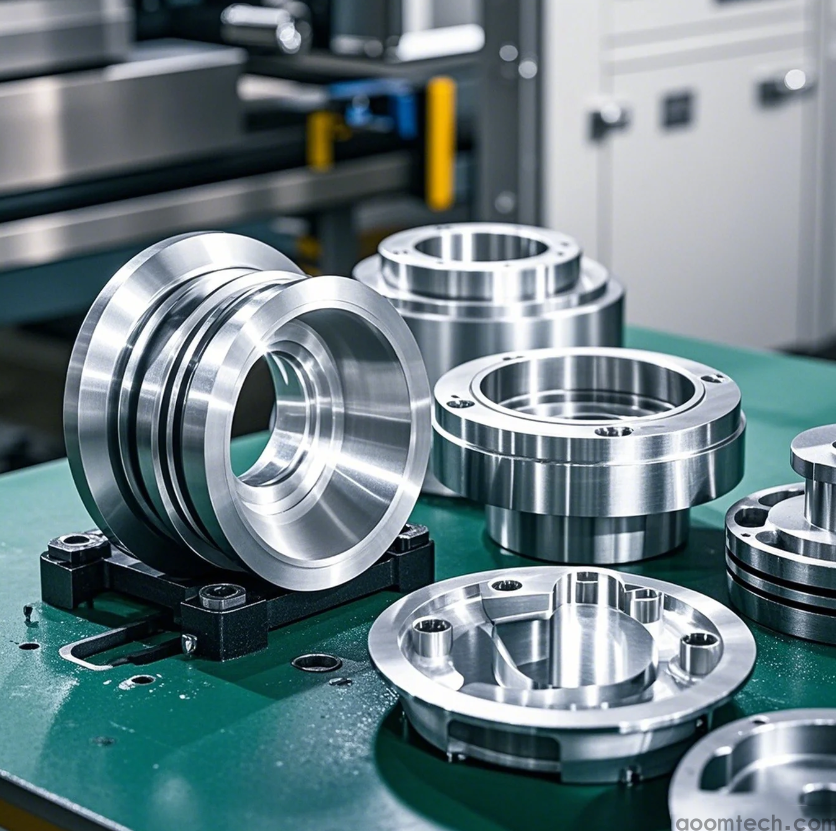
Итак, какова реальная сделка с точностью обработки прутков с ЧПУ?
Перво-наперво, давайте ответим на большой вопрос. Для большинства стандартных рабочих мест с ЧПУ вы, как правило, можете ожидать, что будете придерживаться допусков. ±.025 mm to ±.05 mm (±.001" to ±.002"). That's about the thickness of a human hair! But—and this is a big but—this isn't a guarantee for every single part. It depends on a whole bunch of factors that we'll dig into next. I've seen shops consistently hit these numbers on aluminum and brass, but when it comes to some tricky plastics or super-alloys, the story can change.
Какие факторы на самом деле мешают вашей точности обработки?
Дело никогда не только в машине. Вот обычные подозреваемые, которые могут достичь или нарушить ваши цели терпимости:
✅ The Material Itself: Some materials are just easier to work with. Aluminum is pretty forgiving and stable, making it a dream for tight tolerances. But something like stainless steel? It can be a bit of a diva, moving around with heat and stress. The exact way different alloys behave under the cutting tool is something I'm still wrapping my head around.
✅ Machine Condition and Age: A brand-new, high-end Swiss-type lathe is a precision beast. An older, worn-out machine might struggle. It's that simple.
✅ The Length of the Part: This is a big one that often gets overlooked. Trying to hold a tight tolerance on a long, skinny bar? That's much harder than on a short, stubby part. Vibration and deflection become your enemies.
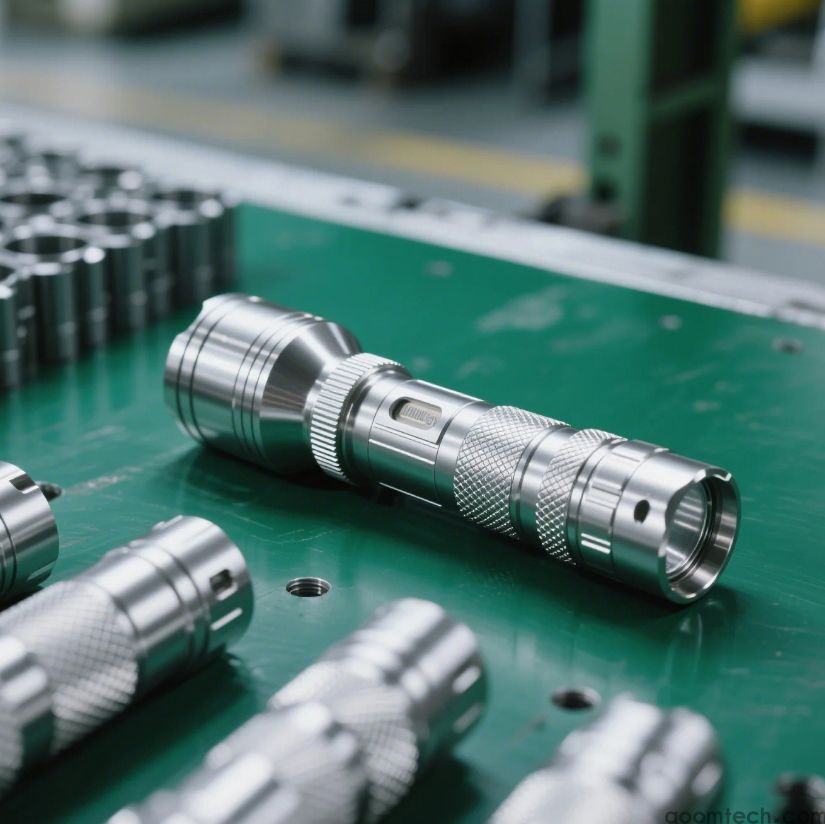
Как вы можете помочь своему поставщику ударить эти более жесткие допуски?
Хотите верьте, хотите нет, но у вас тоже есть роль! Вот как вы можете настроить свой проект на успех:
? Be Smart with Your Tolerances: Don't just call out super tight tolerances everywhere on the drawing. I always ask my team, "Does this surface really need to be that precise?" Only apply tight tolerances to critical features. This saves cost and headache.
? Talk to Your Machinist Early: Get their input during the design phase. They might suggest a small change that makes the part much easier and cheaper to machine accurately.
? Choose the Right Material: If high precision is your goal, maybe an aluminum grade is a better bet than that specific stainless steel you had in mind. Discuss the options.
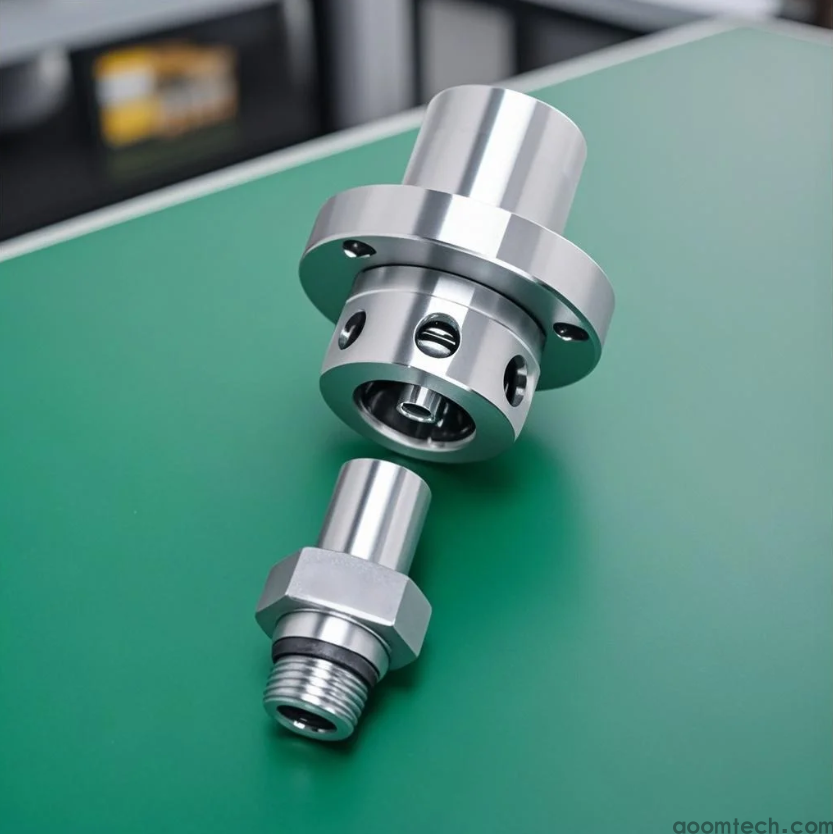
Всегда ли "более точность" правильный ответ?
Вот мои два цента, увидев сотни проектов. Погоня за абсолютной возможной терпимостью часто является ловушкой. ? Стоимость не увеличивается линейно; он растет, как хоккейная клюшка. Эти последние 0,01 мм точности могут удвоить стоимость вашей детали. Вы должны спросить: What does the function of the part actually require? Sometimes, "good enough" is not just good enough—it's the smartest business decision. Perfection can be the enemy of profitability.
При этом для критически важных компонентов аэрокосмической или медицинской техники такая предельная точность не подлежит обсуждению. Но для многих общих приложений, возможно, это перебор. Настоящий навык заключается в знании разницы.
По моему опыту, лучшие результаты достигаются благодаря партнерству. Речь идет не только о том, чтобы подтолкнуть поставщика к самой низкой цене и максимальной точности. Речь идет о четкой коммуникации, реалистичных ожиданиях и понимании компромиссов. Я обнаружил, что откровенность в отношении вашего бюджета и потребностей в производительности приводит к гораздо более плавному процессу и лучшему конечному продукту. ? Просто есть о чем подумать для вашего следующего проекта.
 Как рассчитать стоимость обработки с ЧПУ
Как обеспечить точность в обрабатываемых деталях с ЧПУ
Малая партия прецизионных деталей с ЧПУ Производитель
Какие факторы влияют на котировку обработки с ЧПУ?
Как рассчитать стоимость обработки с ЧПУ
Как обеспечить точность в обрабатываемых деталях с ЧПУ
Малая партия прецизионных деталей с ЧПУ Производитель
Какие факторы влияют на котировку обработки с ЧПУ?