


Tepelné spracovanie a CNC obrábanie sekvencie, tepelné spracovanie po CNC obrábanie deformácie Ako na to
Už ste niekedy čelili frustrujúcemu scenáru, kde sa vaša starostlivo navrhnutá presná časť deformuje alebo praskne po tepelnom spracovaní a CNC obrábaní ?? Nie ste sami. Tento spoločný bod bolesti trápi mnohých inžinierov a manažérov obstarávania a premieňa dokonalý plán na vyradený komponent. Poďme sa ponoriť do riešenia týchto vzájomne prepojených výziev.
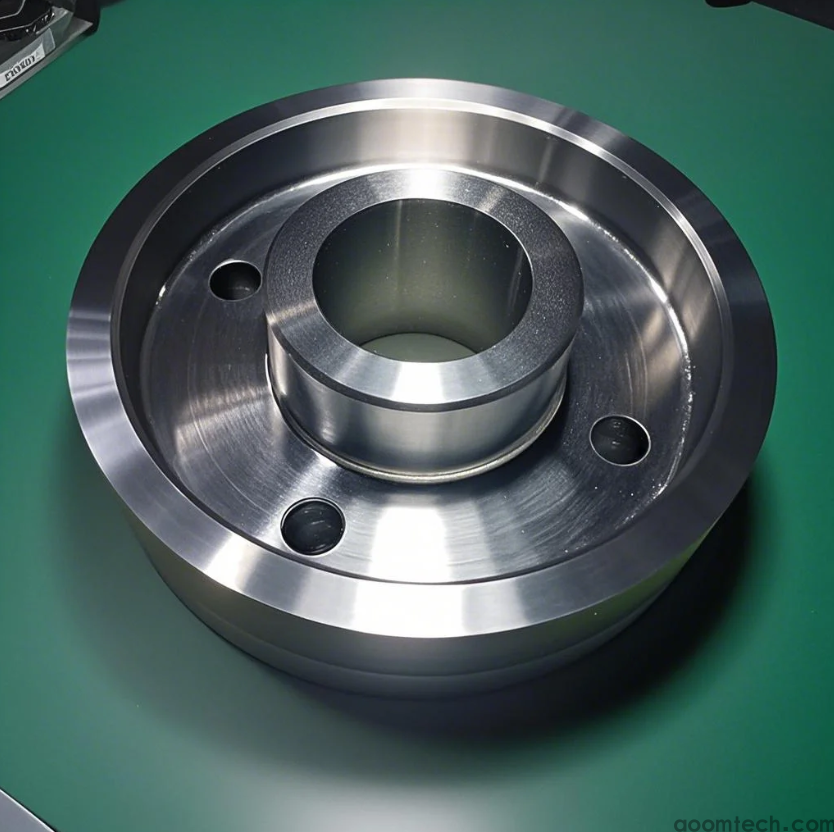
Čo je hlavnou témou tohto titulu?
V podstate každý chce vedieť: v akom poradí by sme mali robiť tepelné spracovanie a CNC obrábanie a čo robiť, keď sa niečo pokazí s deformáciou? Je to ako pýtať sa, mal by som najskôr uvariť steak a potom ho nakrájať na plátky alebo naopak? Na postupnosti záleží, a tak aj pri opravovaní chýb.
Prečo dochádza k deformácii po tepelnom spracovaní a CNC obrábaní?
Keď tepelne ošetrujete kov - napríklad kalenie alebo temperovanie - v podstate ho vnútorne stresujete .? Potom, keď CNC stroj vezme svoje rezy, môže tento stres uvoľniť a spôsobiť deformáciu. Predstavte si to ako vystresovanú osobu, ktorá konečne praskne. Odstraňujeme materiál, ktorý mení rovnováhu dielu. Residual stress is the main culprit here, but the exact way it triggers deformation in every material might need more looking into.
Tepelné spracovanie a CNC obrábanie: Čo je skôr?
Toto je klasický problém s kuracím mäsom a vajcami vo výrobe. Typicky je najprv hrubé obrábanie, potom tepelné spracovanie a potom dokončenie CNC obrábania. Prečo?
• Rough Machining First: Removes bulk material, getting the part close to shape.
• Then Heat Treatment: Enhances hardness or toughness, but might cause slight distortion.
• Finish Machining Last: Cleans up any deformation from heat treatment, ensuring precise dimensions.
But, honestly, sometimes the sequence can flip depending on the material. I've seen cases where heat treatment first works better for some alloys, but that's a whole other debate.
Praktické spôsoby, ako znížiť deformáciu obrábania
Takže vaša časť sa zdeformovala. Teraz čo? Nepanikárte! Tu je niekoľko opráv, ktoré často používam:
• Stress Relief Annealing: Heat the part to a lower temperature to relax those internal stresses before final cuts. It's like giving the metal a spa day. ?
• Adjust CNC Parameters: Slow down the cutting speed or use lighter passes. Less aggression means less shock to the stressed material.
• Use Fixtures: Clamp the part securely during machining to resist warping forces.
Although these methods help, the full picture of how every material reacts is still a bit fuzzy in some areas, so trial and error is key.
Výber správneho tepelného spracovania
Nie všetky tepelné úpravy sú vytvorené rovnako. Pre CNC obrábané diely si môžete vybrať:
• Quenching and Tempering: For high strength and toughness.
• Annealing: To soften the material for easier machining.
• Case Hardening: For a hard surface and tough core.
Match the process to your part's job—like picking the right tool for the job. ? But remember, each choice affects how the CNC machine should handle it later.
Bežné úskalia a ako sa im vyhnúť
Mnoho ľudí tento proces urýchli, čo vedie k nákladným chybám. Dávajte pozor na:
• Skipping rough machining and going straight to finish cuts after heat treatment.
• Ignoring material-specific guidelines—what works for steel might not for aluminum.
• Overlooking post-machining checks for micro-cracks.
On the flip side, taking it slow and testing samples can save headaches. I always say, measure twice, cut once! ?
Podľa môjho názoru, dostať tepelné spracovanie a CNC obrábanie hrať pekne je časť umenia, časť vedy. Aj keď máme všeobecné pravidlá, každý projekt učí niečo nové. Dúfajme, že to vám dáva solídny štart do riešenia týchto deformácie blues a sekvenčné dilemy!
 Ako vypočítať CNC obrábanie náklady
Ako zabezpečiť presnosť v CNC obrábaných dieloch
Malé dávkové presné diely CNC obrábanie Výrobca
Aké faktory ovplyvňujú ponuku CNC obrábania?
Ako vypočítať CNC obrábanie náklady
Ako zabezpečiť presnosť v CNC obrábaných dieloch
Malé dávkové presné diely CNC obrábanie Výrobca
Aké faktory ovplyvňujú ponuku CNC obrábania?