


Tolerancia tesnenia CNC obrábania: kľúčové faktory a ako ich dosiahnuť
Ahoj, kolegovia inžinieri a profesionáli v oblasti obstarávania !? Už ste sa niekedy ocitli pri pohľade na technický výkres tesnenia a premýšľali, či váš CNC sústruh dokáže really hit those tight tolerances? Or maybe you've received a batch of machined seals, only to find a few that just don't seal right? You're not alone. Getting the precision right is the make-or-break factor between a leak-proof masterpiece and a costly do-over. Let's break down what you actually need to know.
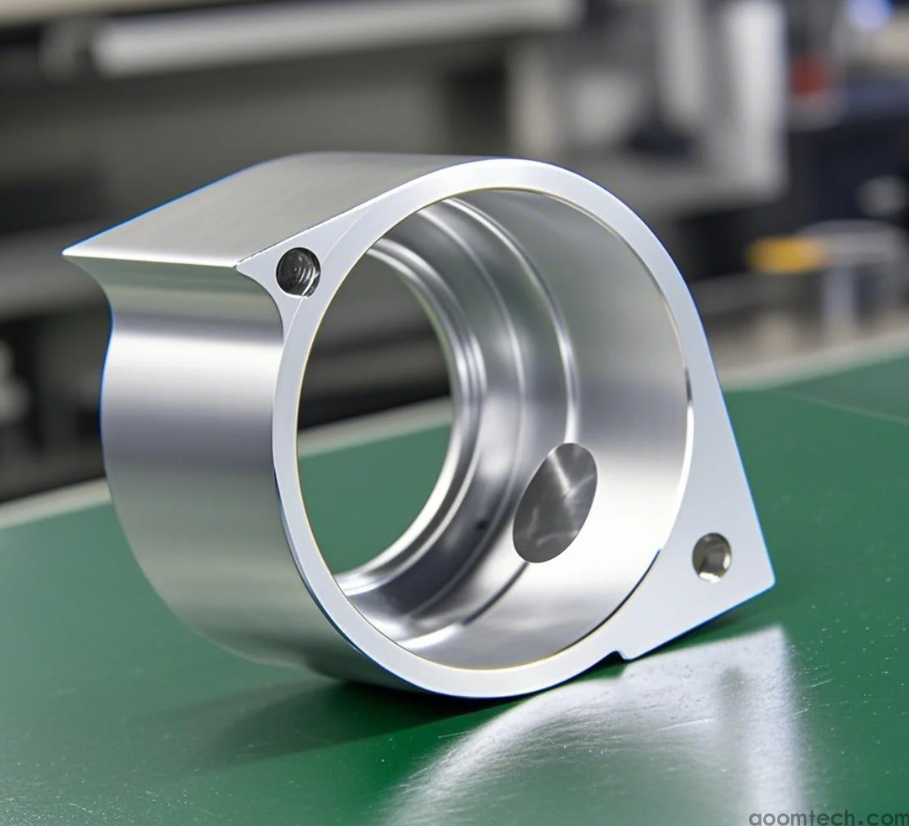
Aká tolerancia je potrebná pre CNC obrábanie tesnení?
Toto je otázka za milión dolárov, však? Pravdou je, že neexistuje jediná odpoveď. Nie je to ako pečenie koláča s pevným receptom. U väčšiny bežných hydraulických a pneumatických tesnení však často hovoríme o tolerancii v rozsahu ±.01 mm to ±.05 mm (±.0004" to ±.002"). For super critical applications, like in aerospace or medical devices, it can get even tighter. The real answer depends entirely on the seal's design, material, and most importantly, its function. A static seal sitting in a groove might be more forgiving than a dynamic seal rubbing against a piston all day.
Nie je to len stroj: ľudské a materiálne divoké karty
Často si myslíme, že efektný CNC stroj zaručuje dokonalosť. Videl som, že obchody nalievajú peniaze do najnovšieho vybavenia, ale stále bojujú s konzistenciou. Prečo? Pretože stroj je len jednou časťou puzzle.
Schopnosť operátora: Ostrieľaný operátor vie, ako počúvať rez, upravovať posuvy a rýchlosti za behu a spozorovať nástroj, ktorý sa čoskoro otupí. Táto intuícia je zlatá.
• Material Behavior: Here's a tricky one. Some softer sealing materials can deform slightly during machining due to heat or clamping force. The part measures perfectly on the bench, but once it's free, it springs back out of spec. The specific way different polymers react to stress during cutting is a complex topic that I'm still digging into.
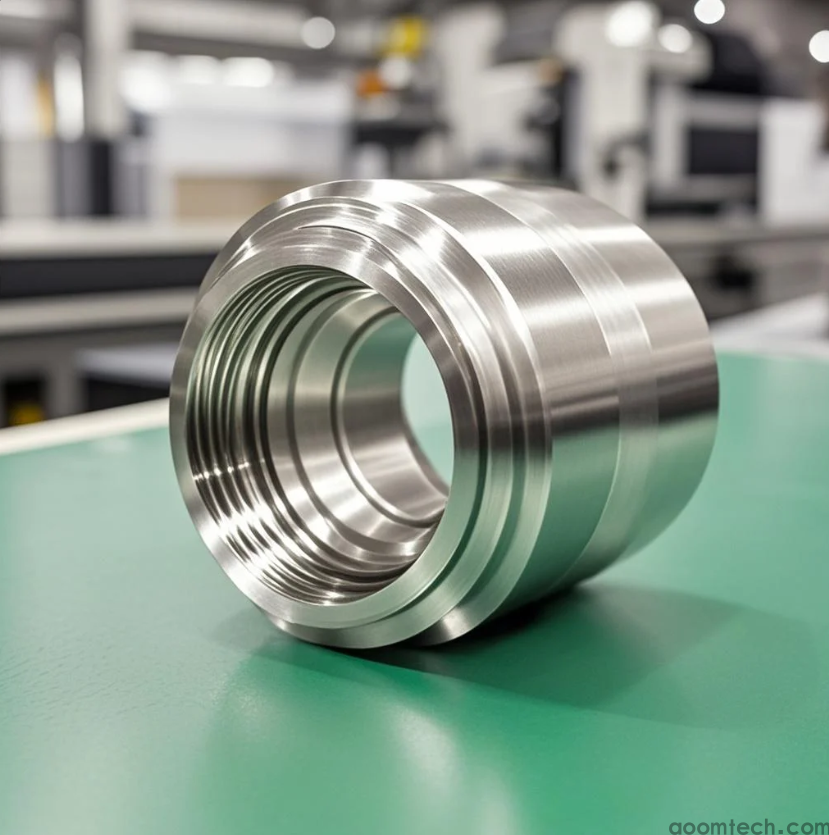
Môj Go-To kontrolný zoznam pre držanie prísnych tolerancií
Za tie roky som si vytvoril jednoduchú rutinu, ktorá ma málokedy sklame. Všetko je to o ovládaní premenných.
1. Nástroj je kráľ: Nespúšťajte svoje rezné nástroje, kým nekričia. Proaktívne plánujem zmeny nástroja. Ostrý nástroj produkuje menej tepla a poskytuje lepšiu povrchovú úpravu, čo je rozhodujúce pre dobré tesnenie.
2. Master Temperature Control: The machine, the part, and the tool all generate heat. This thermal expansion can throw your dimensions off. I always let the machine warm up and use coolant effectively to keep things stable.
3. The First-Article Inspection Ritual: Never, ever skip this. The first part off the batch gets a full and thorough inspection. If it's good, you're golden. If not, you've just saved a whole batch of scrap.
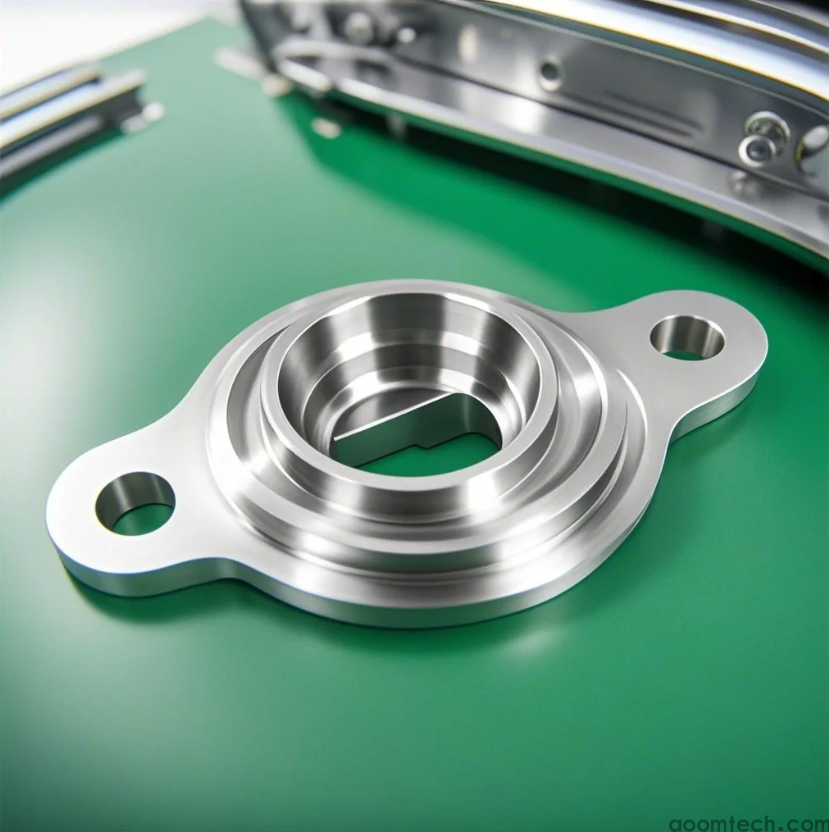
Keď dobré tolerancie stále vedú k zlým pečatiam
Tu je škrabadlo na hlavu, s ktorým som sa stretol raz: všetky rozmery boli v tolerancii tlače, ale tesnenia zlyhali pri tlakových testoch. Boli sme zmätení. Ukázalo sa, že problémom nebol priemer, ale surface finish. The microscopic grooves from the toolpath were just deep enough to create a leak path. This experience perhaps suggests that an obsessive focus on dimensional tolerance alone can sometimes blind us to other critical factors like surface integrity. So, while hitting the numbers is non-negotiable, always remember the final application. A part can be perfectly in tolerance but completely useless if it doesn't perform its job.
Podľa môjho názoru skutočným cieľom nie je len obrábať časť na špecifikáciu na výkrese. Je to dodať komponent, ktorý funguje bezchybne v reálnom svete. Niekedy to znamená mať rozhovor s dizajnérom o tom, či mierne voľnejšia tolerancia na nekritickú funkciu môže ušetriť značné náklady bez straty výkonu. Je to tento druh spolupráce, ktorý oddeľuje dobrých dodávateľov od skvelých.
 Ako vypočítať CNC obrábanie náklady
Ako zabezpečiť presnosť v CNC obrábaných dieloch
Malé dávkové presné diely CNC obrábanie Výrobca
Aké faktory ovplyvňujú ponuku CNC obrábania?
Ako vypočítať CNC obrábanie náklady
Ako zabezpečiť presnosť v CNC obrábaných dieloch
Malé dávkové presné diely CNC obrábanie Výrobca
Aké faktory ovplyvňujú ponuku CNC obrábania?