


Ako presné môže byť CNC obrábanie? Praktický sprievodca pre kupujúcich
Dostali ste niekedy dávku súčiastok, ktoré sa jednoducho... nezmestili ?? Ten pocit potopenia, keď je váš projekt pozastavený, pretože komponenty sú mimo špecifikácie. Ak ste manažér obstarávania alebo inžinier, viete, že presnosť nie je len príjemná vec; je to základ funkčného produktu. Takže keď získavate CNC high-precision parts, the burning question is: just how accurate can this process really get? Let's cut through the marketing fluff and talk real numbers and practical realities.
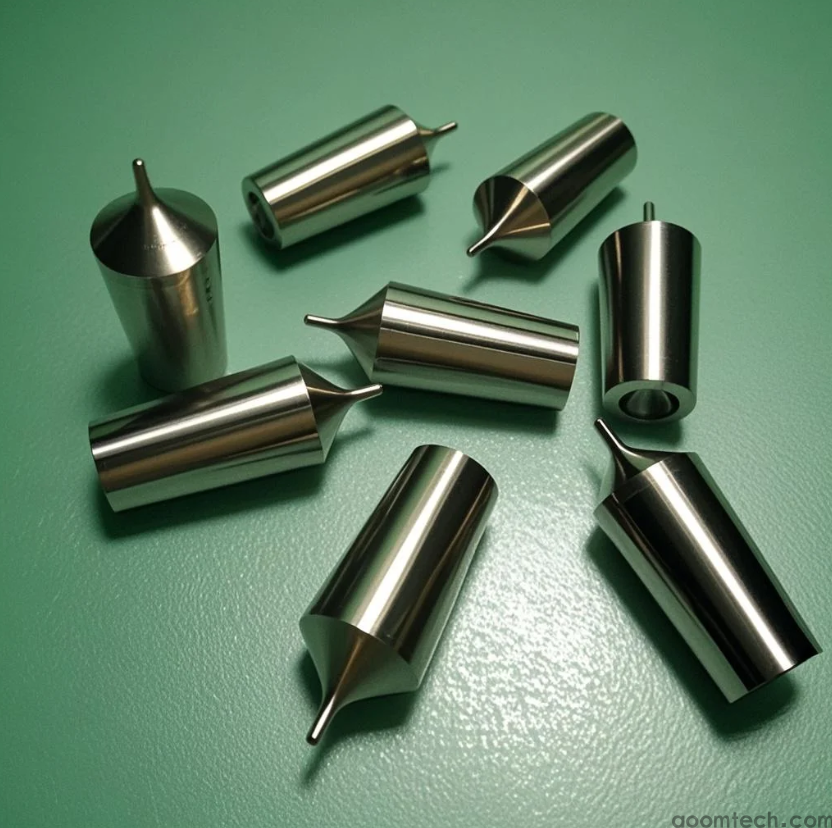
Čo znamená presnosť pri CNC obrábaní?
Po prvé, je ľahké sa zamotať do pojmov. Ľudia často používajú presnosť a presnosť, akoby boli to isté, ale je tu zásadný rozdiel. Myslite na to takto: Accuracy is about hitting the bullseye. If you aim for a dimension of 25.000 mm, an accurate machine will get you very close to that. Precision, on the other hand, is about doing it consistently. If you shoot ten arrows and they all land in the same spot—even if it's not the bullseye—that's precision. For CNC high-precision parts, we need both. We need to hit the target dimension and do it over and over, part after part.
Aké sú tolerancie v reálnom svete, ktoré môžeme očakávať?
Dobre, poďme k jadru. Pre väčšinu štandardov CNC machining services, a common tolerance to expect is around ±.005 inches or ±.125 millimeters. That's pretty good for a vast majority of applications. But when we talk about high-precision CNC work, things get tighter. It's not uncommon to achieve tolerances of ±.0005 inches (±.0127 mm) or even tighter under controlled conditions.
Je však veľmi dôležité vedieť, že to nie je magické číslo. Skutočná dosiahnuteľná tolerancia závisí vo veľkej miere od mnohých faktorov. Typ materiálu, veľkosť dielu, špecifická vlastnosť, ktorá sa obrába, a dokonca aj teplota v dielni môžu hrať úlohu. Takže zatiaľ čo tieto ultra tesné čísla sú možné, nemusia byť možné pre vašu konkrétnu geometriu dielov.
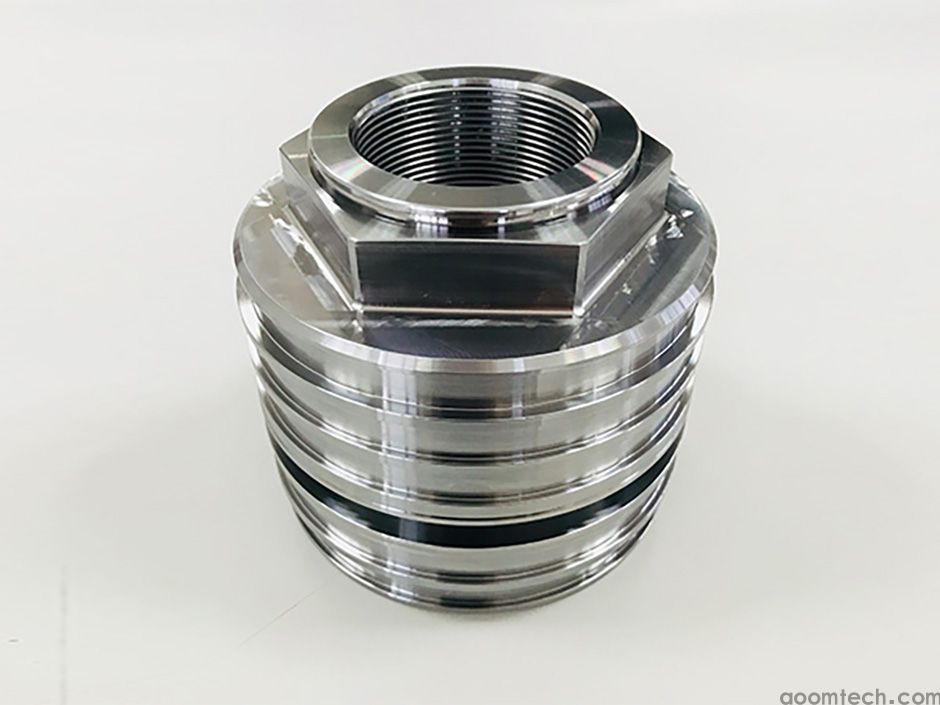
Aké faktory ovplyvňujú vašu CNC presnosť?
Nemôžete si len objednať časť a dúfať v to najlepšie. Vedieť, čo ovplyvňuje presnosť, vám pomôže viesť inteligentnejší rozhovor so svojím dodávateľom. Tu sú tie veľké:
- ?️ The Machine Itself: An older, worn-out machine will naturally have more play and vibration than a well-maintained, modern one.
- ?️ Thermal Expansion: This is a huge one that's often overlooked. Metal expands when it gets hot. The heat from the cutting process itself can cause the part to grow, throwing dimensions off. Good shops have climate control and even use coolant to manage this.
- ? Tooling and Fixturing: A dull cutting tool or a part that isn't clamped down securely will definitely hurt your precision. It seems basic, but it's where many errors start.
Ale, a toto je veľký, konkrétnym mechanizmom toho, koľko každý faktor prispieva pre daný materiál, môže byť zložitá hádanka, o ktorej diskutujú aj odborníci. Presná súhra medzi dráhou nástroja, rýchlosťou vretena a tvrdosťou materiálu sa niekedy javí skôr ako umenie ako veda.
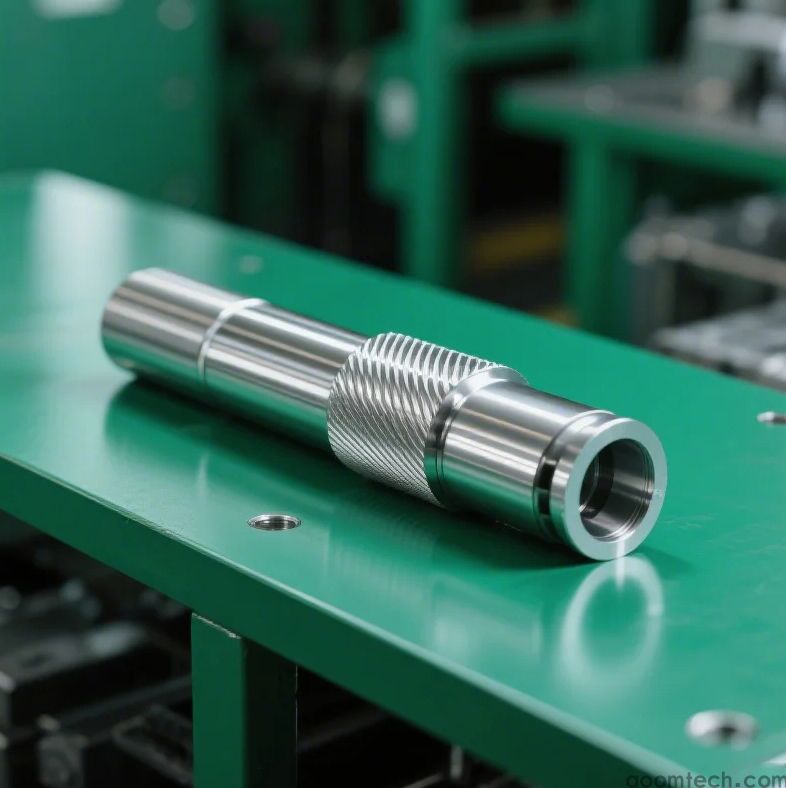
Ako môžete ako kupujúci zabezpečiť, aby ste získali presné diely?
Toto je časť, na ktorej skutočne záleží, však? Nie je to len o poznaní čísel; je to o získaní dobrých častí na prijímacom doku. Tu je to, čo môžete urobiť:
- ? Communicate Clearly (and Early!): Don't just put a tolerance on every single dimension on your drawing. That drives cost up. Identify the critical features that must be ultra-precise and call those out specifically. For non-critical areas, let them use a standard tolerance.
- ? Choose the Right Partner: Look for a machine shop that talks to you about these factors. If they ask about the part's function and discuss potential challenges, that's a great sign. If they just say "yes, we can do anything," be cautious.
- ? Ask About Their Process: Inquire about their quality control. Do they use first-article inspection? Do they have CMMs (Coordinate Measuring Machines) to verify complex parts? Their answers will tell you a lot.
Z vlastnej skúsenosti som zistil, že obchody, ktoré sú najtransparentnejšie challenges of holding a tight tolerance are often the ones most capable of delivering on it. They're the ones thinking about the problem, not just running the machine.
Je tesnejšie vždy lepšie? Záverečná myšlienka
Je lákavé určiť čo najprísnejšiu toleranciu a myslieť si, že to zaručuje lepšiu časť. Ale tu je zasvätený názor: unnecessarily tight tolerances can be a trap. They skyrocket your costs, increase production time, and can even lead to more scrap if the process isn't perfectly stable. The real goal is to define the widest acceptable tolerance that still allows your product to function flawlessly. This balance is the key to cost-effective and reliable high-precision part sourcing. Achieving that perfect balance between cost and performance, now that's the real art of manufacturing.
 Ako vypočítať CNC obrábanie náklady
Ako zabezpečiť presnosť v CNC obrábaných dieloch
Malé dávkové presné diely CNC obrábanie Výrobca
Aké faktory ovplyvňujú ponuku CNC obrábania?
Ako vypočítať CNC obrábanie náklady
Ako zabezpečiť presnosť v CNC obrábaných dieloch
Malé dávkové presné diely CNC obrábanie Výrobca
Aké faktory ovplyvňujú ponuku CNC obrábania?