


Kľúčové úvahy pre veľké CNC obrábanie: Praktický sprievodca
Ahoj, kolegovia inžinieri a špecialisti na obstarávanie !? Už ste niekedy dostali za úlohu získavať alebo dohliadať na rozsiahly projekt CNC obrábania, len aby ste sa potili nad potenciálnymi nástrahami? Nie ste sami. Manipulácia s masívnymi obrobkami nie je len zväčšená verzia štandardného obrábania; je to úplne iná loptová hra, kde malé dohľady môžu viesť k obrovským nákladom a oneskoreniam. Poďme rozobrať kľúčové veci, na ktoré si musíte dať pozor, aby váš veľký projekt bežal hladko.
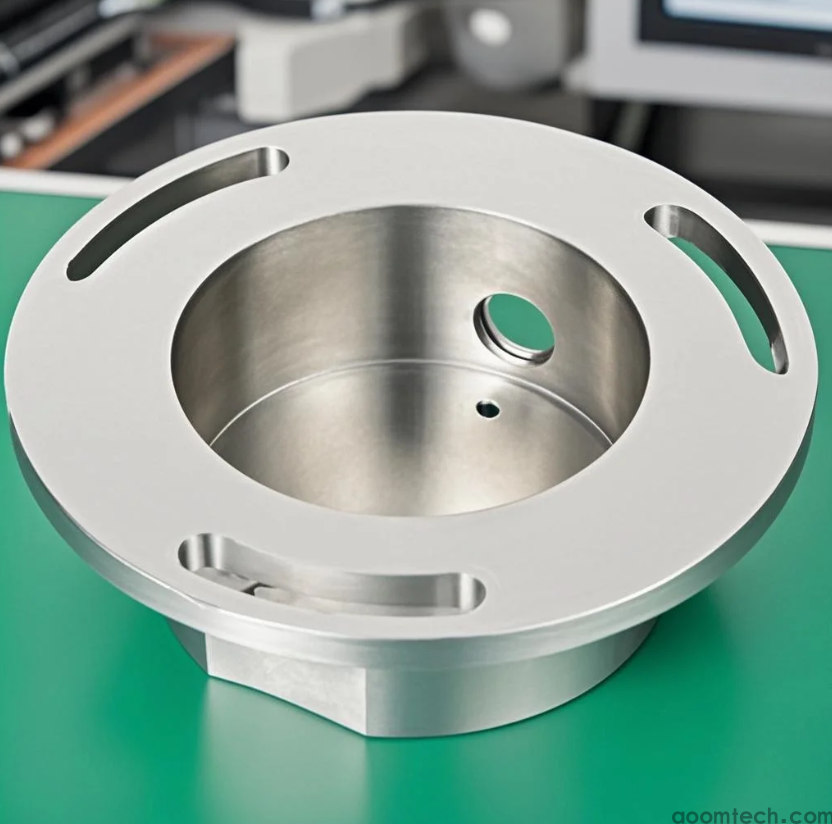
?️ Veľká výzva: Prečo na veľkosti skutočne záleží
Po prvé, poďme hovoriť o slonovi v miestnosti: samotná veľkosť a hmotnosť dielov. Toto nie je vaša priemerná súčasť veľkosti stola. Hovoríme o častiach, ktoré môžu vyžadovať žeriavy, ktoré sa majú naložiť na lôžko stroja. Tento zásadný rozdiel ovplyvňuje všetko, čo nasleduje. Samotný obrábací stroj musí byť dostatočne masívny, s robustnou štruktúrou, aby sa zabránilo vibráciám, ktoré môžu zničiť povrchovú úpravu a presnosť. Nejde len o nájdenie stroja s veľkou obálkou; ide o nájdenie jedného s chrbticou, ktorý zvládne prácu.
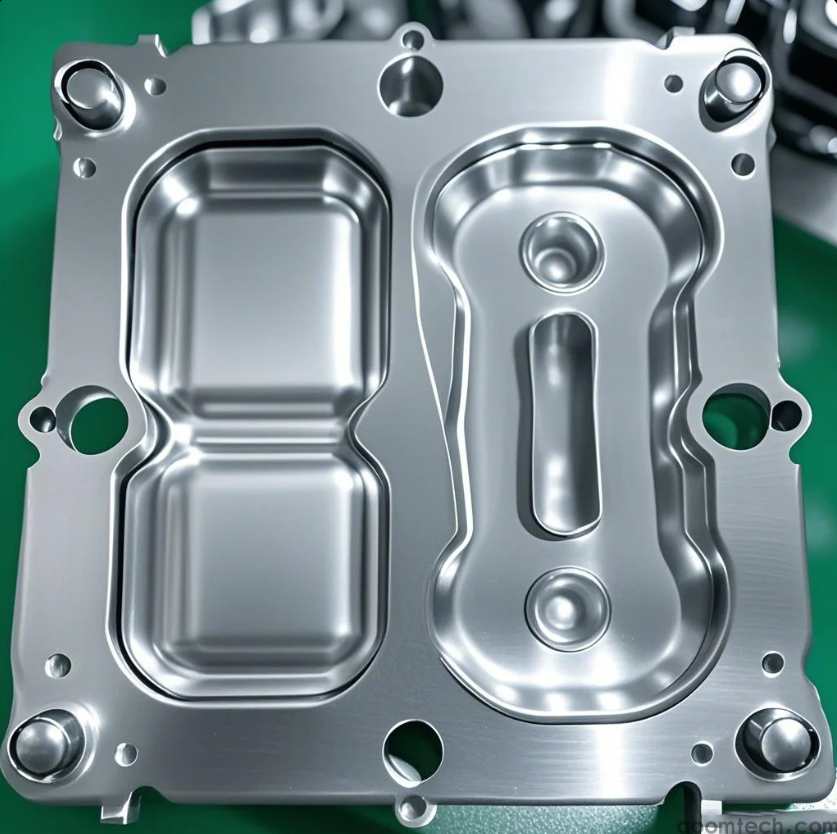
? Výber stroja: Je to viac ako len veľká krabica
Ako si teda vybrať správny stroj? Je lákavé hľadať len ten najväčší, ktorý nájdete, ale to nestačí. Musíte kopať hlbšie.
Tu je niekoľko vecí, ktoré vždy kontrolujem:
• Rigidity and Power: The machine's frame must be super stiff. Any flexing under the weight of the part or the force of the cutting tool will directly translate into inaccuracies. A powerful spindle is also non-negotiable for effective material removal on a large scale.
• Table Load Capacity: Don't just look at the travel dimensions. Check how much weight the table can actually support. Exceeding this limit is a recipe for disaster.
• Thermal Stability: Large machines running for long periods generate a lot of heat. The machine's design should manage this heat to prevent expansion that throws off precision over time. The specific mechanisms some manufacturers use to achieve this can be pretty clever, though I must admit, the exact engineering behind the best systems is an area I'm still learning about.
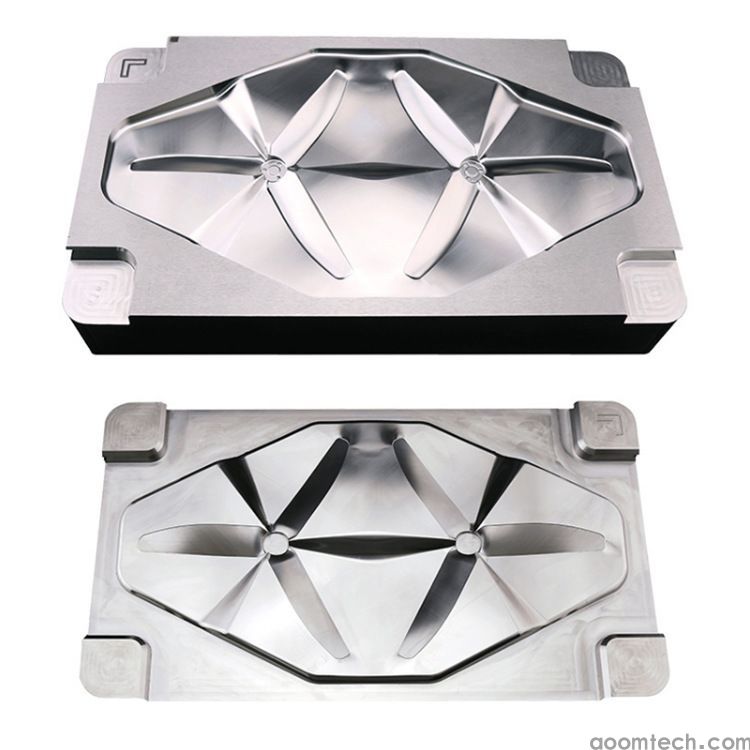
✈️ Presnosť a meranie: Udržujte to rovné a pravdivé
Dobre, máte časť v stroji. Ako teraz udržujete presnosť na tak veľkej ploche? Tu sa veci komplikujú.
• Achieving Uniform Accuracy: It's one thing for a machine to be precise in one corner. It's another to hold tight tolerances across a two-meter span. This involves the machine's geometric accuracy. You might find that a tolerance of ±.05mm is consistently achievable on a well-maintained large-format machine, but claiming this proves it's the best possible standard would be misleading. It perhaps suggests a well-tuned process, but many other factors are at play.
• In-Process Measurement: For critical dimensions, you can't just machine the part, unload it, and then check it. The part might distort once released. On-site measurement with portable tools is often necessary to make adjustments while the part is still secured.
? Oprava a nastavenie: Fáza Make-or-Break
Toto je podľa mojich skúseností jeden z najbežnejších bodov zlyhania. Krehké nastavenie na malej časti môže spôsobiť vyradený komponent. Zlé nastavenie na veľkej časti môže spôsobiť katastrofický pád.
Moje zlaté pravidlá pre nastavenie:
• Secure Clamping: Use enough clamps, and ensure they are positioned to counteract cutting forces without distorting the part. Sometimes, strategic support is even more critical than clamping force itself.
• Avoiding Distortion: Applying too much clamping force can bend a large, thin-walled part. The goal is to hold it firmly, not to twist it into shape. This requires a delicate touch and an understanding of the material's behavior.
• Proper Alignment: Before any cutting begins, you must ensure the part is square and level to the machine's axes. This initial alignment step is boring but absolutely vital. However, it's worth mentioning that even with perfect alignment, material stress relief during machining can sometimes cause movement, which is a nightmare to predict perfectly.
? Ľudský faktor a plánovanie
Okrem stroja a súčiastky je tu tím. Obrábanie veľkej časti je často pomalý proces, niekedy trvá desiatky hodín. Obsluha zručností a bdelosti sú prvoradé. Dobrý strojník nielenže spustí program a odíde; monitorujú zvuky, čipy a podmienky, podľa potreby robia mikroúpravy. Okrem toho je stratégia nástrojov pre veľké diely iná. Potrebujete plán životnosti nástroja - zmena opotrebovaného nástroja v polovici 30-hodinového obrábacieho cyklu je zložitá, časovo náročná úloha, ktorú by ste mali predvídať, nie reagovať na ňu.
Z mojich vlastných pozorovaní vyplýva, že projekty, ktoré obsahujú vyrovnávaciu pamäť pre neočakávané kontroly nástrojov a nastavení, sa často dodávajú spoľahlivejšie. Je to ten kúsok plánovania, ktorý oddeľuje plynulý chod od zbesilého.
 Ako vypočítať CNC obrábanie náklady
Ako zabezpečiť presnosť v CNC obrábaných dieloch
Malé dávkové presné diely CNC obrábanie Výrobca
Aké faktory ovplyvňujú ponuku CNC obrábania?
Ako vypočítať CNC obrábanie náklady
Ako zabezpečiť presnosť v CNC obrábaných dieloch
Malé dávkové presné diely CNC obrábanie Výrobca
Aké faktory ovplyvňujú ponuku CNC obrábania?