


Materialet më të mira për boshtet CNC Machining Drive: Një udhëzues praktik
Përshëndetje, kolegë inxhinierësh dhe prokurime! ? Ata kanë qenë ndonjëherë në një takim, duke debatuar për best material for a CNC machined drive shaft? You know the drill – one team argues for strength, another for cost, and you're left wondering if there's a perfect answer. The truth is, picking the wrong material can lead to premature failure, costly downtime, and a whole lot of headaches. So, let's cut through the noise and figure this out together. What exactly should you be looking for?
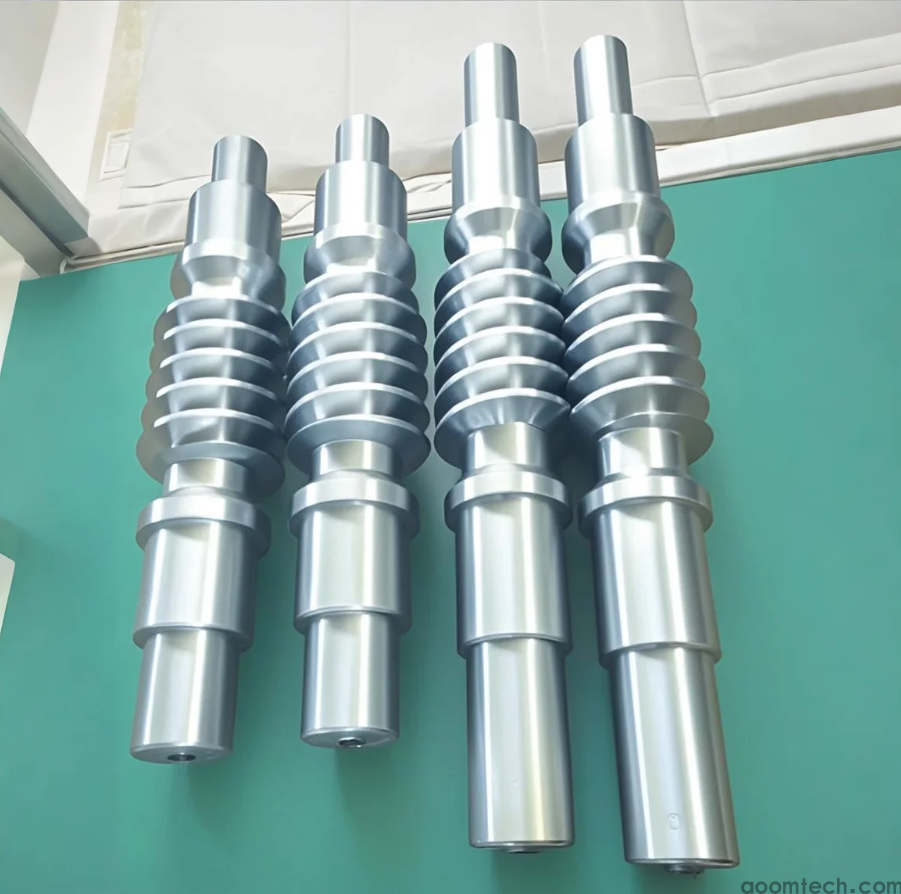
Çfarë është e madhe në lidhje me Drive Shaft Materials gjithsesi?
Mendoni për boshtin e makinës si shtyllën kurrizore të sistemit tuaj të transmetimit të energjisë. Duhet të jetë e vështirë, por jo e brishtë; rezistente ndaj veshjes, por shpesh duhet të jetë e lehtë. Pyetja thelbësore që po trajtojmë është: CNC加工传动轴用什么材料好? Or in English, what materials are best? The short answer is: it wildly depends on your application. There's no one-size-fits-all, but some materials are superstar performers for most jobs. We'll dive into those now.
Konkurrent i lartë: Aliazh çelik (si 414 ose 434)
Nëse po flasim për një kalë punëtore, çeliku aliazh është. all the time.
Pse është e mrekullueshme:
• Super strong and tough: It handles high torque and shock loads like a champion.
• Great wear resistance: It lasts a long time, even in tough conditions.
• Cost-effective: Generally offers a good balance of performance and price.
Kujdes për:
• Është e rëndë, kështu që nuk është ideale për aplikime ku pesha është një shqetësim i madh (si hapësira ajrore).
• It can rust if not properly coated or treated.
Të marrë? Për shumicën e makinerive industriale, pajisjeve të rënda dhe aplikacioneve të automobilave, alloy steel is the default starting point. It's a safe, reliable bet. The specific heat treatment process, however, can drastically change its properties, and that's an area where the exact science can get pretty complex.
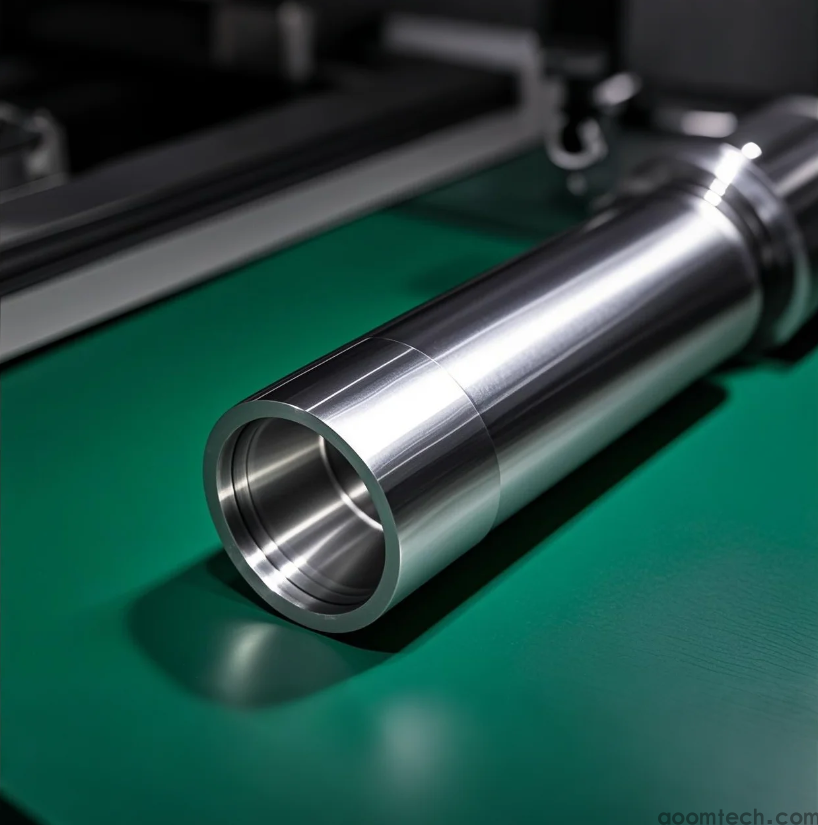
Kampioni i peshës së lehtë: alumini (si 6061 ose 7075)
Keni nevojë për diçka të lehtë dhe të shpejtë për makinën? Alumini është miku juaj.
Pse është e mrekullueshme:
• Super lightweight: Crucial for drones, racing vehicles, and high-speed spindles.
• Good strength-to-weight ratio: 7075 aluminum, for instance, has strength close to some steels.
• Corrosion resistant: It forms a protective oxide layer naturally.
Kujdes për:
• Jo aq e fortë sa çeliku, kështu që nuk është e përshtatshme për aplikacione me moment të lartë dhe të rëndë.
• It can fatigue over time under repeated stress.
Unë shpesh përdor prototipe alumini sepse ata janë të shpejtë për të makinës dhe të lehtë për të testuar me. Por për një produkt përfundimtar që ka nevojë për të marrë një rrahje, ju mund të duhet të shikoni diku tjetër.
Luftëtar i korrozionit: çelik inox (si 304 ose 316)
Duke punuar në një mjedis të lagur apo kimik? Steel inox hapa lart.
Pse është e mrekullueshme:
• Excellent corrosion resistance: Perfect for food processing, marine, or chemical industries.
• Good strength and hardness: It's certainly no slouch in the performance department.
Kujdes për:
• More expensive than alloy steels.
• It can be a bit gummy and tougher on cutting tools during the CNC machining process.
Ndërsa inox është fantastike për rezistencë ndryshk, mekanizmi prapa shtresës së saj pasivizim është diçka që unë nuk jam plotësisht i kualifikuar për të shpjeguar në detaje. Ajo vetëm punon! ? Por duke folur për gjërat që funksionojnë, ekziston një alternativë tjetër që është e mrekullueshme.
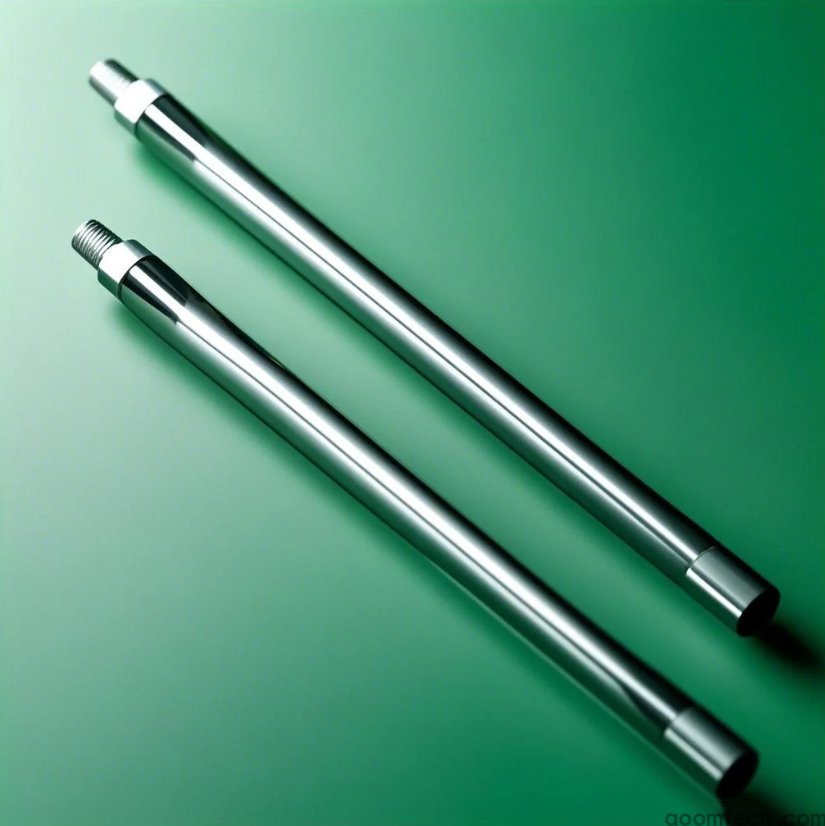
Specialist: Titanium (si Grade 5 ose Ti-6Al-4V)
Kur keni nevojë për përfundimin combination of strength, lightness, and corrosion resistance, titanium is the answer. But it comes at a price.
Pse është e mrekullueshme:
• Raporti i pabesueshëm i forcës-peshës.
• Biokompatibël dhe shumë rezistent ndaj korrozionit.
Kujdes për:
• Very high cost for both material and machining.
• Challenging to machine, requiring specialized tools and expertise.
Ju do ta gjeni këtë në aerospace të lartë, implante mjekësore dhe gara me performancë të lartë. Perhaps it's not an overstatement to say that for the most demanding applications, titanium is unbeatable. But for the other 95% of projects, the previous options are more than enough.
Si zgjidhni në të vërtetë?
Mos zgjidhni vetëm materialin më të mirë. right one. Ask yourself these questions:
• What are the torque and load requirements? (This points you to strength needs)
• Is weight a critical factor? (This decides the strength-to-weight ratio focus)
• What environment will it operate in? (Wet, dry, chemical? This dictates corrosion resistance)
• What's the budget? (This is the reality check!)
Nga përvoja ime, një i zgjedhur mirë alloy steel often provides the best value for general engineering. However, the rise of compact, high-performance robotics is pushing more designers towards advanced aluminum alloys and even composites, though that's a topic for another day. The landscape of available materials is always shifting, and what was ideal a decade ago might be surpassed by something new tomorrow.
 Një Udhëzues Praktik për Machining CNC Batch: Kosto, Procesi
Precision CNC Machining për pjesë të mëdha bakrit: Një udhëz
Çfarë tolerancë mund të arrini me CNC Brass Machining? Një u
Çfarë duhet të kërkoni në një qendër të madhe CNC Machining
Një Udhëzues Praktik për Machining CNC Batch: Kosto, Procesi
Precision CNC Machining për pjesë të mëdha bakrit: Një udhëz
Çfarë tolerancë mund të arrini me CNC Brass Machining? Një u
Çfarë duhet të kërkoni në një qendër të madhe CNC Machining