


Precision Craft CNC-bearbetning, Metal Craft CNC-bearbetning
Är du trött på att dina avancerade produktdesigner blir svikna av tillverkning som bara inte är tillräckligt exakt? ? Ytan är grov, detaljerna är suddiga och det förlorar helt den konstnärliga känslan du gick efter. Detta är en vanlig smärtpunkt för många designers och upphandlingschefer. När det gäller att skapa högklassiga hantverk eller lyxvaror, precision and material choice are everything. Let's talk about how CNC machining solves this.
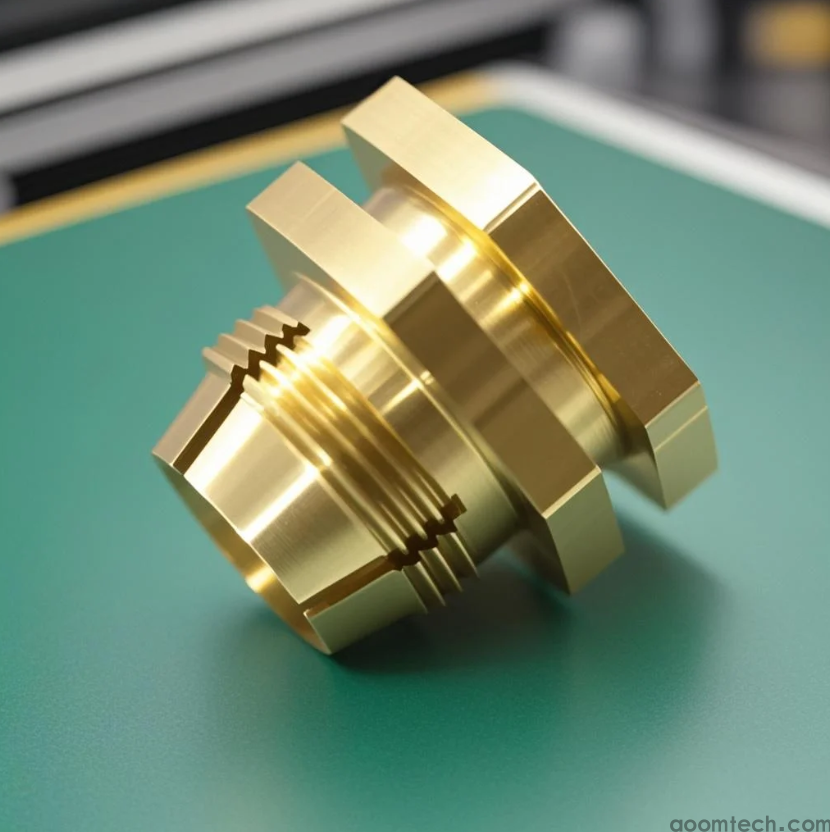
Vad exakt är Precision Craft CNC-bearbetning?
Kärnan handlar om att skapa konst med maskiner. Tänk på det som en supernoggrann digital skulptör. Vi pratar om detaljer finare än ett människohår. Detta är inte din genomsnittliga bearbetning; det är en dedikerad process för bitar där every micron matters. While the goal is perfection, it's worth mentioning that achieving sub-micron level consistency on extremely complex organic shapes can still be a challenge that pushes the limits of current technology.
Varför är metall ett bra material för avancerade hantverk?
Metall har bara en närvaro som plast inte kan matcha. Det känns väsentligt, värdefullt och tidlöst. Men det handlar inte bara om utseende:
• Durability: A metal craft can last for generations, no joke.
• Premium Finish: You can polish it to a mirror shine, or brush it for a sophisticated matte look. The options are vast.
• Intricate Details: CNC machines can carve incredibly fine patterns into metals like brass or aluminum, capturing the soul of your design.
Med detta sagt är arbetet med metall svårare för verktygen och kostar vanligtvis mer än andra material, vilket är en nyckelfaktor i din cost planning.
Hur ser det verkliga arbetsflödet ut? Från fil till färdig bit
Det är en mer involverad process än vad folk kanske tror. Jag använder ofta ett 5-stegs tillvägagångssätt i mina projekt:
1. 3D Model Finalization: This is the blueprint. Any error here gets carved in metal, literally.
2. Programming the CNC Path: The technician translates your model into a language the machine understands. This is where their expertise makes or breaks the part.
3. Material Selection & Setup: Choosing the right metal stock and securing it perfectly in the machine.
4. The Machining Process: This is where the magic happens, with cutting tools shaping the block. Multiple tools and steps are often involved.
5. Post-Processing: This is the secret sauce. Deburring, polishing, and maybe even plating or anodizing for color.
Hela denna resa, från en digital fil till ett fysiskt objekt du kan hålla, förvånar mig fortfarande. Det antyder kanske att vi blandar världarna av traditionellt hantverk och digital precision.
Hur man upptäcker en leverantör som faktiskt kan leverera kvalitet
Inte alla maskinverkstäder är skapade lika. Här är vad jag letar efter:
• Ask for a Portfolio: Don't just take their word for it. Demand to see photos of previous craft projects. Look at the finish and detail.
• Inquire About Their Equipment: Older machines might not hold the tolerances you need for a true "level one" craft.
• Communication is Key: Do they understand your aesthetic goals, or are they just talking about specs? A good partner gets both.
Men ärligt talat är den specifika mekanismen för hur vissa butiker konsekvent uppnår ett "handfärdigt" utseende med CNC något jag fortfarande är nyfiken på - det verkar vara en noggrant bevakad hemlighet.
En liten hemlighet: Prototypens kraft
Innan du förbinder dig till en fullständig produktionskörning, särskilt för en komplex bit, get a prototype made. It's an upfront cost that can save you a fortune later. You can test the feel, the weight, and the overall look. It's your chance to catch issues before they become expensive mistakes. This one step has saved my projects more times than I can count. ?
I slutändan handlar det om att hitta rätt partner för precisionsmetallhantverk om delade standarder. Det är inte bara en inköpsorder; det är ett samarbete för att föra något exceptionellt till världen.
 Hur man beräknar CNC-bearbetningskostnad
Hur man säkerställer precision i CNC-bearbetade delar
Små Batch Precision Delar CNC-bearbetning Tillverkare
Vilka faktorer påverkar offert för CNC-bearbetning?
Hur man beräknar CNC-bearbetningskostnad
Hur man säkerställer precision i CNC-bearbetade delar
Små Batch Precision Delar CNC-bearbetning Tillverkare
Vilka faktorer påverkar offert för CNC-bearbetning?