


Vilken tolerans kan du uppnå med CNC Bar Machining? En praktisk guide
Hej där, andra ingenjörer och upphandlingsproffs! ? någonsin funnit dig stirra på en teknisk ritning och undrar om din CNC-stångbearbetningsleverantör kan actually hit those tiny tolerance numbers? You're not alone. I've been in those meetings where everyone nods, but deep down, there's that nagging question: "What's realistically achievable?" Let's cut through the marketing fluff and talk real numbers. ?
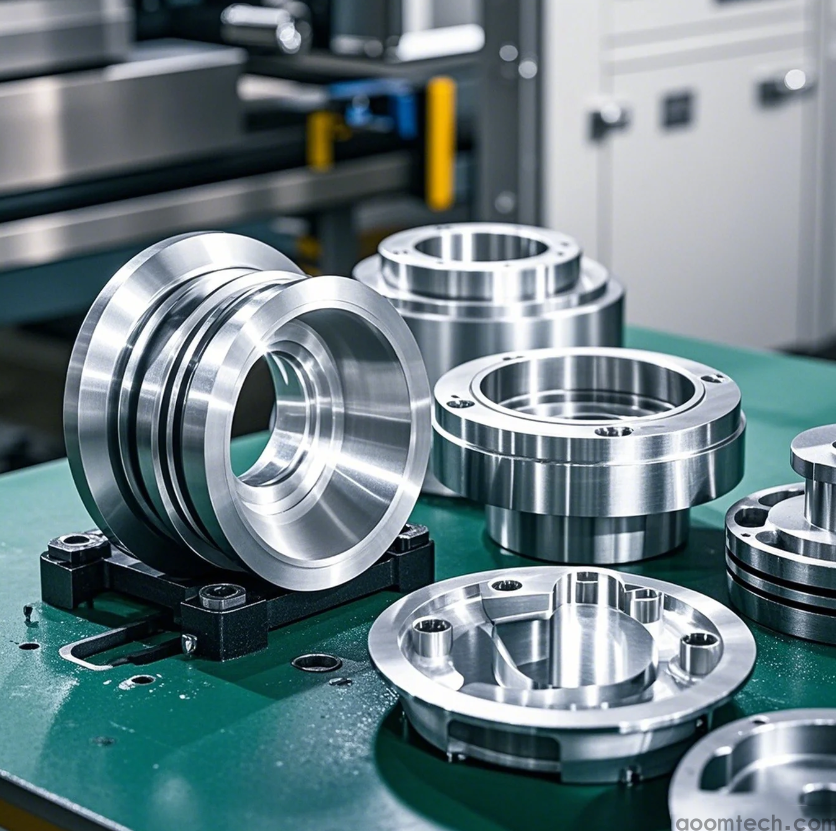
Så, vad är den verkliga affären med CNC-barbearbetningsnoggrannhet?
Först och främst, låt oss svara på den stora frågan. För de flesta vanliga CNC-stångbearbetningsjobb kan du i allmänhet förvänta dig att hålla toleranser runt ±.025 mm to ±.05 mm (±.001" to ±.002"). That's about the thickness of a human hair! But—and this is a big but—this isn't a guarantee for every single part. It depends on a whole bunch of factors that we'll dig into next. I've seen shops consistently hit these numbers on aluminum and brass, but when it comes to some tricky plastics or super-alloys, the story can change.
Vilka faktorer rör sig faktiskt med din bearbetningsprecision?
Det handlar aldrig bara om maskinen. Här är de vanliga misstänkta som kan göra eller bryta dina toleransmål:
✅ The Material Itself: Some materials are just easier to work with. Aluminum is pretty forgiving and stable, making it a dream for tight tolerances. But something like stainless steel? It can be a bit of a diva, moving around with heat and stress. The exact way different alloys behave under the cutting tool is something I'm still wrapping my head around.
✅ Machine Condition and Age: A brand-new, high-end Swiss-type lathe is a precision beast. An older, worn-out machine might struggle. It's that simple.
✅ The Length of the Part: This is a big one that often gets overlooked. Trying to hold a tight tolerance on a long, skinny bar? That's much harder than on a short, stubby part. Vibration and deflection become your enemies.
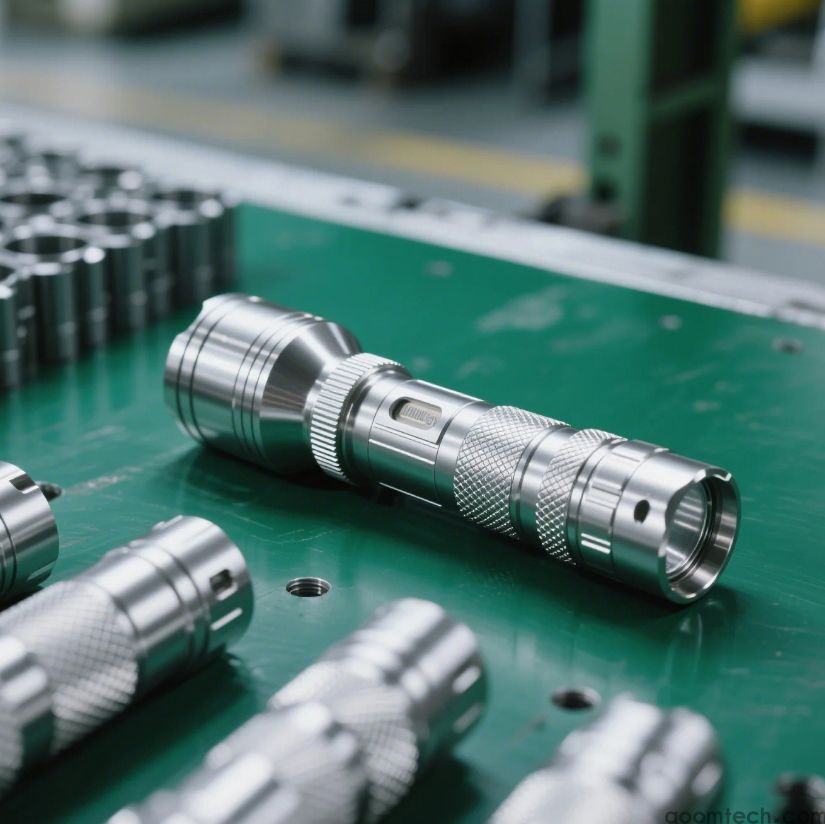
Hur kan du hjälpa din leverantör att nå de stramare toleranserna?
Tro det eller ej, du har också en roll att spela! Så här kan du ställa in ditt projekt för framgång:
? Be Smart with Your Tolerances: Don't just call out super tight tolerances everywhere on the drawing. I always ask my team, "Does this surface really need to be that precise?" Only apply tight tolerances to critical features. This saves cost and headache.
? Talk to Your Machinist Early: Get their input during the design phase. They might suggest a small change that makes the part much easier and cheaper to machine accurately.
? Choose the Right Material: If high precision is your goal, maybe an aluminum grade is a better bet than that specific stainless steel you had in mind. Discuss the options.
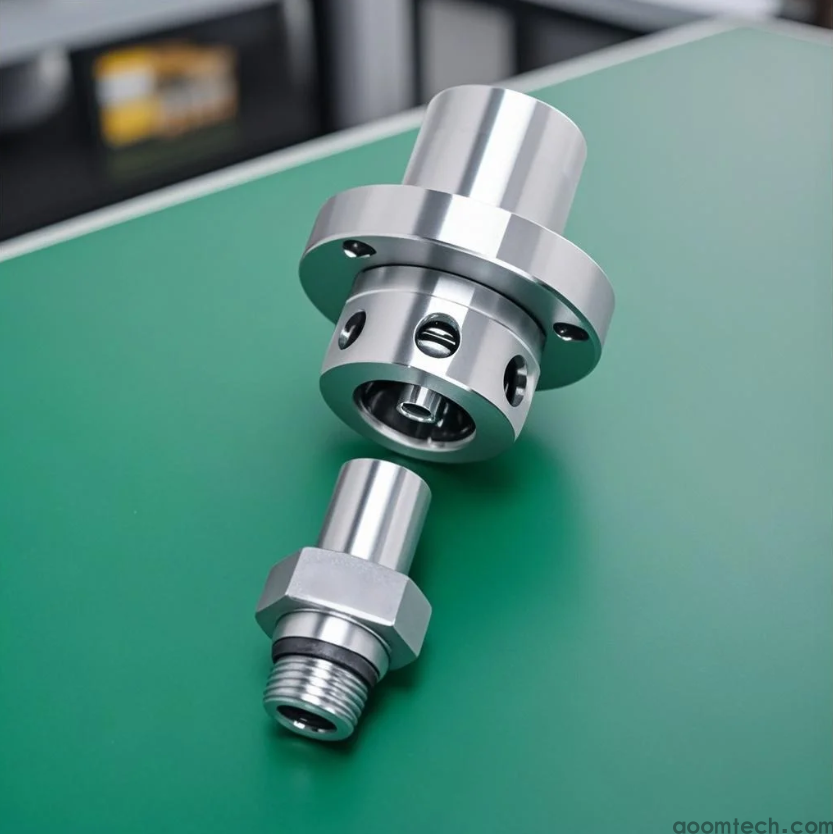
Är "mer precision" alltid rätt svar?
Här är mina två cent, från att se hundratals projekt. Att jaga den absolut tätaste toleransen som är möjlig är ofta en fälla. ? Kostnaden ökar inte linjärt; det går upp som en hockeyklubba. Den sista 0,01 mm precisionen kan fördubbla din delkostnad. Du måste fråga: What does the function of the part actually require? Sometimes, "good enough" is not just good enough—it's the smartest business decision. Perfection can be the enemy of profitability.
Med detta sagt, för kritiska komponenter i flyg- eller medicintekniska produkter, är den extrema precisionen inte förhandlingsbar. Men för många allmänna applikationer är det kanske överdrivet. Den verkliga skickligheten är att veta skillnaden.
Enligt min erfarenhet kommer de bästa resultaten från ett partnerskap. Det handlar inte bara om att driva en leverantör till lägsta pris och högsta precision. Det handlar om tydlig kommunikation, realistiska förväntningar och att förstå avvägningarna. Jag har upptäckt att vara på förhand om din budget och prestationsbehov leder till en mycket smidigare process och en bättre slutprodukt. ? Bara något att tänka på för ditt nästa projekt.
 Hur man beräknar CNC-bearbetningskostnad
Hur man säkerställer precision i CNC-bearbetade delar
Små Batch Precision Delar CNC-bearbetning Tillverkare
Vilka faktorer påverkar offert för CNC-bearbetning?
Hur man beräknar CNC-bearbetningskostnad
Hur man säkerställer precision i CNC-bearbetade delar
Små Batch Precision Delar CNC-bearbetning Tillverkare
Vilka faktorer påverkar offert för CNC-bearbetning?