


Isıl İşlem ve CNC İşleme Sırası, CNC İşleme Deformasyonundan Sonra Isıl İşlem Nasıl Yapılır
Isıl işlem ve CNC işlemeden sonra titizlikle tasarlanmış hassas parçanızın büküldüğü veya çatladığı sinir bozucu senaryoyla hiç karşılaştınız mı? 😫 Yalnız değilsiniz. Bu ortak acı noktası, birçok mühendisi ve tedarik yöneticisini rahatsız ederek mükemmel bir planı hurdaya çıkmış bir bileşene dönüştürüyor. Bu iç içe geçmiş zorlukları çözmeye dalalım.
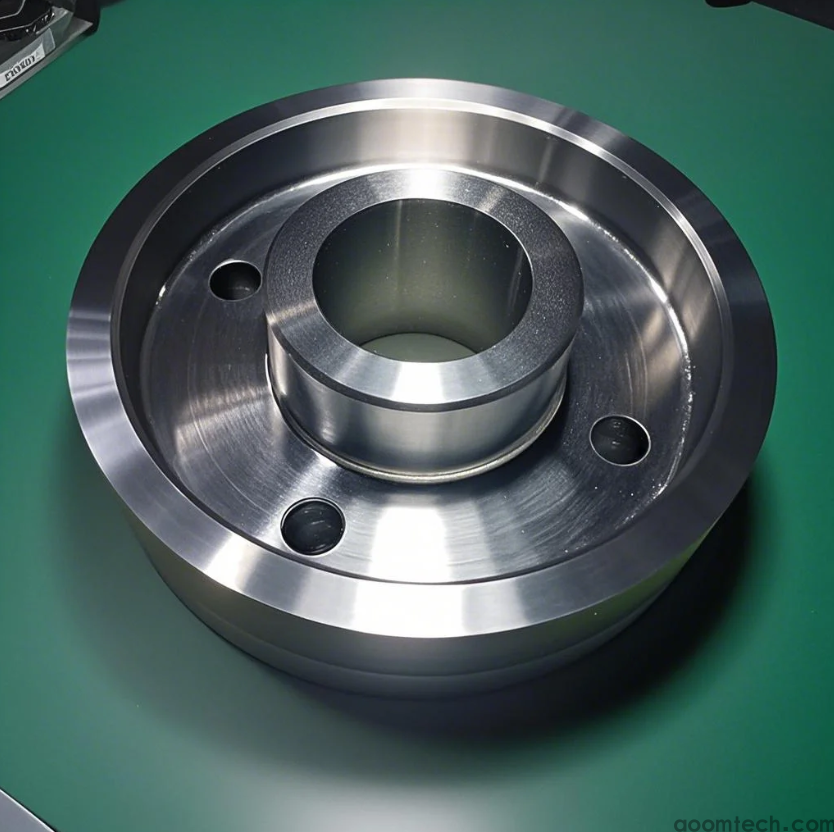
Bu Başlığın Arkasındaki Temel Sorun Nedir?
Temel olarak herkes bilmek istiyor: ısıl işlem ve CNC işlemeyi hangi sırayla yapmalıyız ve deformasyonla işler ters gittiğinde ne yapmalıyız? Önce bifteği pişirip sonra dilimlemeli miyim yoksa tam tersi mi diye sormak gibi? Sıra önemlidir ve hataları düzeltmek de önemlidir.
Isıl İşlem ve CNC İşleme Sonrası Neden Deformasyon Olur?
Metali ısıttığınızda - söndürme veya tavlama gibi - temelde dahili olarak strese sokarsınız. 🤒 Daha sonra, CNC makinesi kesimlerini aldığında, bu gerilimi serbest bırakarak bükülmeye neden olabilir. Sonunda kopan stresli bir insan gibi düşünün. Parçanın dengesini değiştiren malzemeyi çıkarıyoruz. Residual stress is the main culprit here, but the exact way it triggers deformation in every material might need more looking into.
Isıl İşlem ve CNC İşleme: Hangisi Önce Gelir?
Bu, üretimdeki klasik tavuk ve yumurta sorunudur. Tipik olarak, önce kaba işleme, ardından ısıl işlem ve ardından CNC işlemeyi bitirme gelir. Neden? Niye?
• Rough Machining First: Removes bulk material, getting the part close to shape.
• Then Heat Treatment: Enhances hardness or toughness, but might cause slight distortion.
• Finish Machining Last: Cleans up any deformation from heat treatment, ensuring precise dimensions.
But, honestly, sometimes the sequence can flip depending on the material. I've seen cases where heat treatment first works better for some alloys, but that's a whole other debate.
İşleme Deformasyonunu Azaltmanın Pratik Yolları
Yani, senin parçan çarpık. Şimdi ne olacak? Panik yapma! İşte sık kullandığım bazı düzeltmeler:
• Stress Relief Annealing: Heat the part to a lower temperature to relax those internal stresses before final cuts. It's like giving the metal a spa day. 🧖
• Adjust CNC Parameters: Slow down the cutting speed or use lighter passes. Less aggression means less shock to the stressed material.
• Use Fixtures: Clamp the part securely during machining to resist warping forces.
Although these methods help, the full picture of how every material reacts is still a bit fuzzy in some areas, so trial and error is key.
Doğru Isıl İşlem Sürecini Seçme
Tüm ısıl işlemler eşit yaratılmaz. CNC işlenmiş parçalar için şunları seçebilirsiniz:
• Quenching and Tempering: For high strength and toughness.
• Annealing: To soften the material for easier machining.
• Case Hardening: For a hard surface and tough core.
Match the process to your part's job—like picking the right tool for the job. 🔧 But remember, each choice affects how the CNC machine should handle it later.
Ortak Tuzaklar ve Nasıl Atlatılır
Birçok kişi süreci hızlandırarak maliyetli hatalara yol açar. Dikkat edin:
• Skipping rough machining and going straight to finish cuts after heat treatment.
• Ignoring material-specific guidelines—what works for steel might not for aluminum.
• Overlooking post-machining checks for micro-cracks.
On the flip side, taking it slow and testing samples can save headaches. I always say, measure twice, cut once! 😊
Benim görüşüme göre, ısıl işlem ve CNC işlemenin güzel oynaması parça sanatı, parça bilimidir. Genel kurallarımız olsa da, her proje yeni bir şey öğretiyor. Umarım, bu size bu deformasyon mavilerini ve dizi ikilemlerini çözmek için sağlam bir başlangıç sağlar!
 Küçük Toplu CNC İşleme Parçalarının Maliyeti Ne Kadar?
Projeniz İçin Güvenilir CNC İşleme Hizmetleri Nasıl Bulunur?
Alüminyum Parçalar İçin Güvenilir CNC İşleme Hizmetleri Nası
Küçük Toplu Çok Çeşitli CNC İşleme Hızlı Prototipleme Hizmet
Küçük Toplu CNC İşleme Parçalarının Maliyeti Ne Kadar?
Projeniz İçin Güvenilir CNC İşleme Hizmetleri Nasıl Bulunur?
Alüminyum Parçalar İçin Güvenilir CNC İşleme Hizmetleri Nası
Küçük Toplu Çok Çeşitli CNC İşleme Hızlı Prototipleme Hizmet