


CNC İşleme Ne Kadar Doğru Olabilir? Alıcılar İçin Pratik Bir Kılavuz
Hiç... uymayan bir parça grubu aldınız mı? ? Parçalar spesifikasyonsuz olduğu için projeniz bekletildiğinde bu batma hissi. Bir tedarik müdürü veya mühendisseniz, hassasiyetin sadece sahip olunması güzel bir şey olmadığını bilirsiniz; bu, işlevsel bir ürünün temel taşıdır. Yani, kaynak yaparken CNC high-precision parts, the burning question is: just how accurate can this process really get? Let's cut through the marketing fluff and talk real numbers and practical realities.
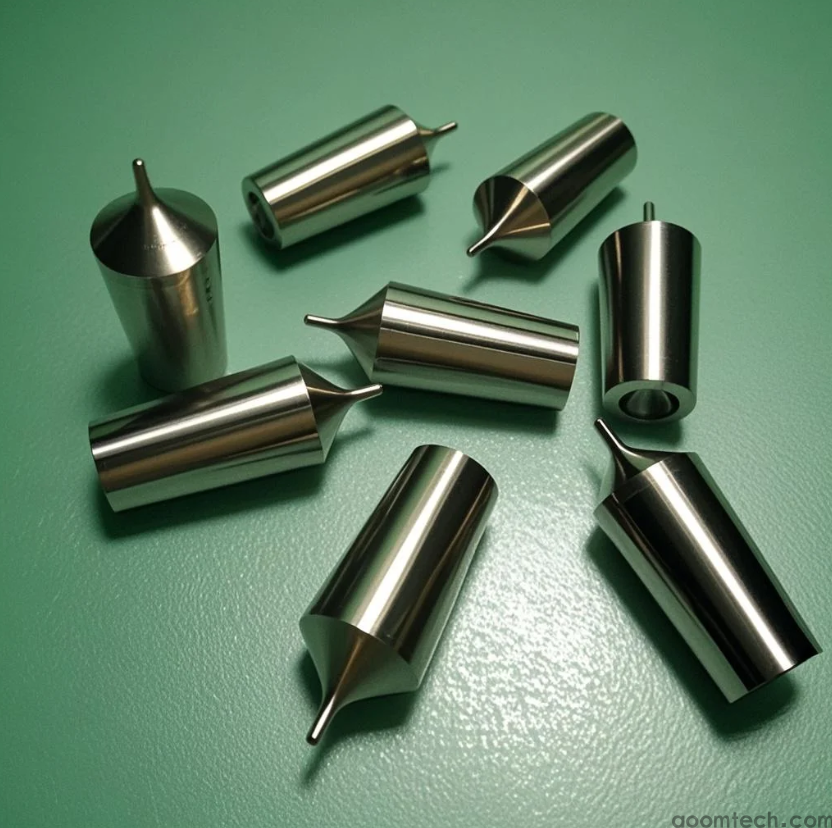
CNC İşleme 'de "Doğruluk" Ne Anlama Geliyor?
Öncelikle, terimlerle karıştırmak kolaydır. İnsanlar genellikle "doğruluk" ve "hassasiyet" i aynı şeymiş gibi kullanırlar, ancak önemli bir fark vardır. Bunu şu şekilde düşünün: Accuracy is about hitting the bullseye. If you aim for a dimension of 25.000 mm, an accurate machine will get you very close to that. Precision, on the other hand, is about doing it consistently. If you shoot ten arrows and they all land in the same spot—even if it's not the bullseye—that's precision. For CNC high-precision parts, we need both. We need to hit the target dimension and do it over and over, part after part.
Peki Beklediğimiz Gerçek Dünya Toleransları Nelerdir?
Pekala, bunun kalbine geçelim. Çoğu standart için CNC machining services, a common tolerance to expect is around ±.005 inches or ±.125 millimeters. That's pretty good for a vast majority of applications. But when we talk about high-precision CNC work, things get tighter. It's not uncommon to achieve tolerances of ±.0005 inches (±.0127 mm) or even tighter under controlled conditions.
Bununla birlikte, bunun sihirli bir sayı olmadığını bilmek çok önemlidir. Gerçek elde edilebilir tolerans, büyük ölçüde bir dizi faktöre bağlıdır. Malzeme türü, parçanın boyutu, işlenen belirli özellik ve hatta atölyedeki sıcaklık bir rol oynayabilir. Bu nedenle, bu ultra sıkı sayılar mümkün olsa da, belirli parça geometriniz için mümkün olmayabilir.
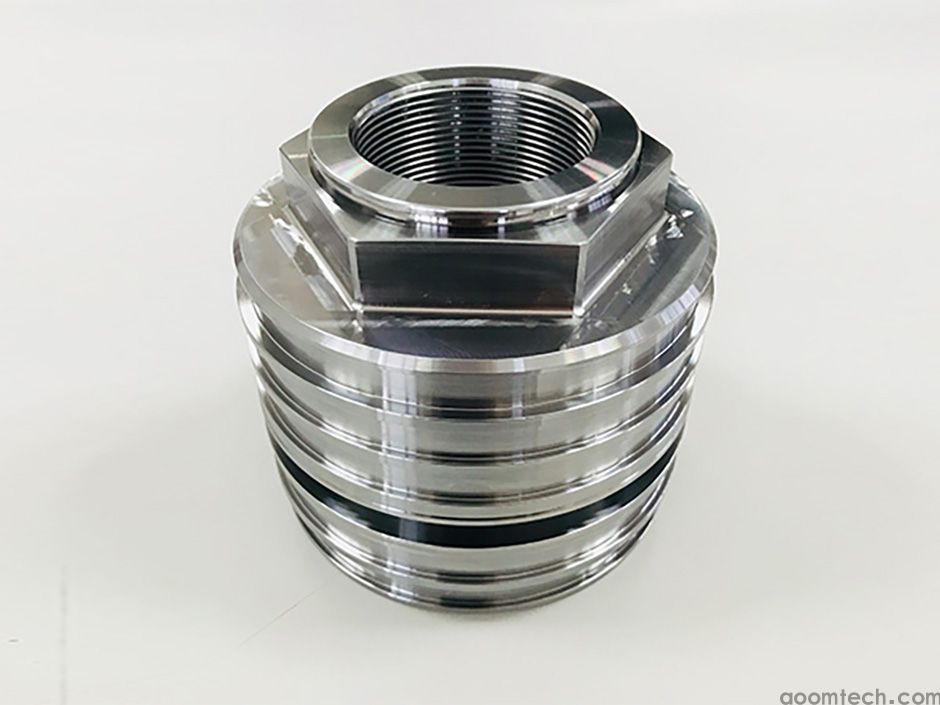
CNC Doğruluğunuzla Hangi Faktörler Karışıyor?
Sadece bir parça sipariş edip en iyisini umamazsınız. Doğruluğu neyin etkilediğini bilmek, tedarikçinizle daha akıllı bir konuşma yapmanıza yardımcı olur. İşte büyükler:
- ?️ The Machine Itself: An older, worn-out machine will naturally have more play and vibration than a well-maintained, modern one.
- ?️ Thermal Expansion: This is a huge one that's often overlooked. Metal expands when it gets hot. The heat from the cutting process itself can cause the part to grow, throwing dimensions off. Good shops have climate control and even use coolant to manage this.
- ? Tooling and Fixturing: A dull cutting tool or a part that isn't clamped down securely will definitely hurt your precision. It seems basic, but it's where many errors start.
Ancak, ve bu büyük bir tanesi, her bir faktörün belirli bir malzemeye ne kadar katkıda bulunduğuna dair belirli bir mekanizma, uzmanların bile tartıştığı karmaşık bir bulmaca olabilir. Takım yolu, iş mili hızı ve malzeme sertliği arasındaki tam etkileşim bazen bir bilimden çok bir sanat gibi geliyor.
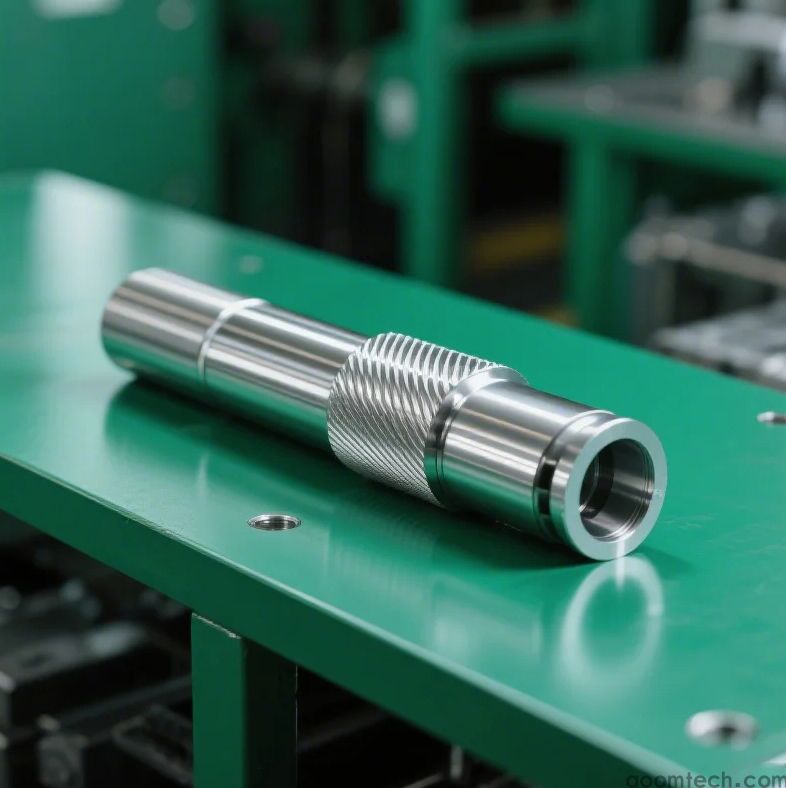
Bir Alıcı Olarak Doğru Parçaları Aldığınızdan Nasıl Emin Olabilirsiniz?
Bu gerçekten önemli olan kısım, değil mi? Bu sadece sayıları bilmekle ilgili değil; alıcı iskelenizde iyi parçalar almakla ilgili. İşte yapabilecekleriniz:
- ? Communicate Clearly (and Early!): Don't just put a tolerance on every single dimension on your drawing. That drives cost up. Identify the critical features that must be ultra-precise and call those out specifically. For non-critical areas, let them use a standard tolerance.
- ? Choose the Right Partner: Look for a machine shop that talks to you about these factors. If they ask about the part's function and discuss potential challenges, that's a great sign. If they just say "yes, we can do anything," be cautious.
- ? Ask About Their Process: Inquire about their quality control. Do they use first-article inspection? Do they have CMMs (Coordinate Measuring Machines) to verify complex parts? Their answers will tell you a lot.
Kendi deneyimlerime göre, en şeffaf olan dükkanların challenges of holding a tight tolerance are often the ones most capable of delivering on it. They're the ones thinking about the problem, not just running the machine.
Daha Sıkı Her Zaman Daha İyi mi? Son Bir Düşünce
Daha iyi bir kısmı garanti ettiğini düşünerek mümkün olan en sıkı toleransı belirtmek caziptir. Ama işte içeriden alınan: unnecessarily tight tolerances can be a trap. They skyrocket your costs, increase production time, and can even lead to more scrap if the process isn't perfectly stable. The real goal is to define the widest acceptable tolerance that still allows your product to function flawlessly. This balance is the key to cost-effective and reliable high-precision part sourcing. Achieving that perfect balance between cost and performance, now that's the real art of manufacturing.
 Küçük Toplu CNC İşleme Parçalarının Maliyeti Ne Kadar?
Projeniz İçin Güvenilir CNC İşleme Hizmetleri Nasıl Bulunur?
Alüminyum Parçalar İçin Güvenilir CNC İşleme Hizmetleri Nası
Küçük Toplu Çok Çeşitli CNC İşleme Hızlı Prototipleme Hizmet
Küçük Toplu CNC İşleme Parçalarının Maliyeti Ne Kadar?
Projeniz İçin Güvenilir CNC İşleme Hizmetleri Nasıl Bulunur?
Alüminyum Parçalar İçin Güvenilir CNC İşleme Hizmetleri Nası
Küçük Toplu Çok Çeşitli CNC İşleme Hızlı Prototipleme Hizmet