


CNC ile Sert Malzemeler Nasıl Etkili Bir Şekilde İşlenir
CNC Machining Super Hard Materials: Challenges and Solutions
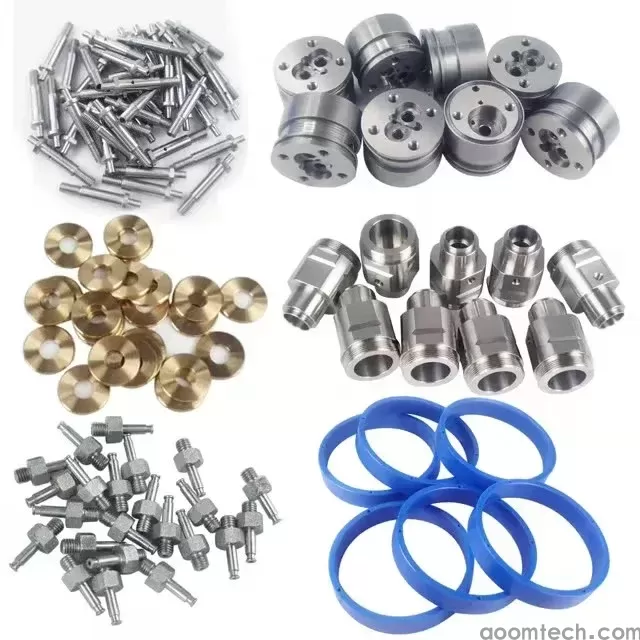
Ever tried machining super hard materials and felt like you're fighting a losing battle? Tool breakage, terrible surface finish, constantly adjusting parameters? You're not alone. Many shops struggle with high-hardness CNC machining, but there are smarter ways to approach this challenge.
What Counts as a Hard Material in CNC Machining?
When I talk about hard materials, I mean things harder than your average steel. Think hardened steels above 45 HRC, tool steels, certain stainless grades, and exotic alloys. These materials resist deformation beautifully, but that same quality makes them notoriously difficult to cut.
Here's an interesting thing — hardness isn't the only enemy here. Some materials can be moderately hard but still machine poorly because of their toughness or work-hardening tendency. It's this combination of properties that really tests your machining capabilities.
Why Hard Materials Behave Differently
Hard materials push back. They generate crazy heat at the cutting edge, which dulls your tools fast. They also create chips that don't break properly, leading to recutting and poor surface quality.
But here's what many don't realize: the problem isn't always the material itself. Often, it's the approach that needs adjustment. We tend to use the same strategies we'd use for mild steel, just with different speeds and feeds. That approach might work for moderately hard materials, but when you cross a certain hardness threshold, everything changes.
The Tool Dilemma: Harder Isn't Always Better
Conventional wisdom says use the hardest tool possible. While there's truth to that, reality is more nuanced. Super-hard tools like ceramic or CBN can handle the heat, but they're brittle and hate interrupted cuts.
I've found that sometimes a tough carbide grade with a specialized coating outperforms harder but more brittle options. The coating reduces heat transfer to the tool substrate, while the tougher base handles mechanical shock better. It's this balance between hot hardness and toughness that often determines success.
Parameter Adjustments That Actually Work
Let's talk about what to change in your CNC program. Speed reduction is obvious, but don't overdo it — too slow and you're just rubbing. Feed rates need careful tuning — too light and you work-harden the surface, too heavy and you break tools. Depth of cut matters more than you think — sometimes a heavier, cleaner cut works better than multiple light passes.
The tricky part is that perfect parameters for one hard material can be disastrous for another. I've seen cases where increasing feed rate actually improved tool life because it created thicker chips that carried heat away more effectively.
Real Strategy from the Shop Floor
After watching countless shops deal with this, I noticed something interesting: the most successful ones don't necessarily use fancy equipment or exotic tooling. Instead, they master the basics — rigid setups, sharp tools, and consistent approaches.
One shop had remarkable success with hard turning simply by ensuring their workpiece was supported within 2-3 diameters of the cutting tool. That basic stiffness improvement solved more problems than any parameter tweak could. Another approach that works is thinking in terms of chip thickness per tooth rather than just feed rate. This subtle shift in perspective often leads to better choices.
Send your CAD files to chen@aoomtech.com for a quote within 24 hours.
 Küçük Toplu CNC İşleme Parçalarının Maliyeti Ne Kadar?
Projeniz İçin Güvenilir CNC İşleme Hizmetleri Nasıl Bulunur?
Alüminyum Parçalar İçin Güvenilir CNC İşleme Hizmetleri Nası
Küçük Toplu Çok Çeşitli CNC İşleme Hızlı Prototipleme Hizmet
Küçük Toplu CNC İşleme Parçalarının Maliyeti Ne Kadar?
Projeniz İçin Güvenilir CNC İşleme Hizmetleri Nasıl Bulunur?
Alüminyum Parçalar İçin Güvenilir CNC İşleme Hizmetleri Nası
Küçük Toplu Çok Çeşitli CNC İşleme Hızlı Prototipleme Hizmet