


CNC Çubuk İşleme ile Hangi Toleransı Elde Edebilirsiniz? Pratik Bir Kılavuz
Merhaba, diğer mühendisler ve tedarik profesyonelleri! 👋 Kendinizi teknik bir çizime bakarken, CNC çubuk işleme tedarikçinizin yapıp yapamayacağını merak ederken buldunuz mu? actually hit those tiny tolerance numbers? You're not alone. I've been in those meetings where everyone nods, but deep down, there's that nagging question: "What's realistically achievable?" Let's cut through the marketing fluff and talk real numbers. 🤔
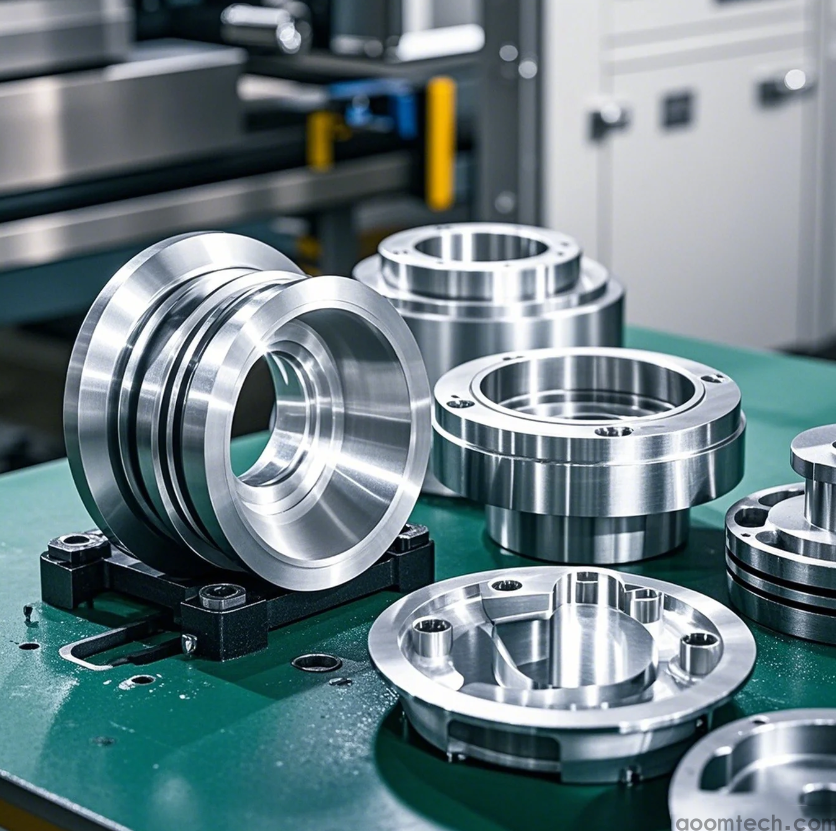
Peki, CNC Çubuk İşleme Doğruluğu ile Gerçek Anlaşma Nedir?
Her şeyden önce, büyük soruyu cevaplayalım. Çoğu standart CNC çubuk işleme işi için, genellikle toleransları etrafta tutmayı bekleyebilirsiniz. ±.025 mm to ±.05 mm (±.001" to ±.002"). That's about the thickness of a human hair! But—and this is a big but—this isn't a guarantee for every single part. It depends on a whole bunch of factors that we'll dig into next. I've seen shops consistently hit these numbers on aluminum and brass, but when it comes to some tricky plastics or super-alloys, the story can change.
İşleme Hassasiyetinizle Aslında Hangi Faktörler Mess?
Asla sadece makineyle ilgili değil. İşte hoşgörü hedeflerinizi gerçekleştirebilecek veya kırabilecek olağan şüpheliler:
✅ The Material Itself: Some materials are just easier to work with. Aluminum is pretty forgiving and stable, making it a dream for tight tolerances. But something like stainless steel? It can be a bit of a diva, moving around with heat and stress. The exact way different alloys behave under the cutting tool is something I'm still wrapping my head around.
✅ Machine Condition and Age: A brand-new, high-end Swiss-type lathe is a precision beast. An older, worn-out machine might struggle. It's that simple.
✅ The Length of the Part: This is a big one that often gets overlooked. Trying to hold a tight tolerance on a long, skinny bar? That's much harder than on a short, stubby part. Vibration and deflection become your enemies.
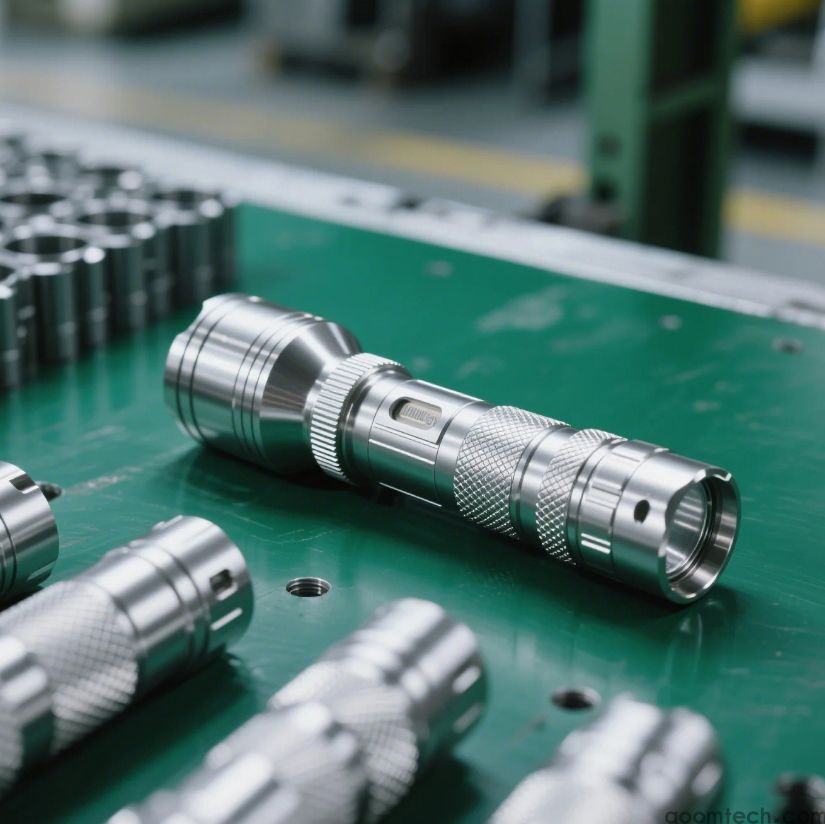
Tedarikçinizin Bu Daha Sıkı Toleranslara Ulaşmasına Nasıl Yardımcı Olabilirsiniz?
İster inanın ister inanmayın, sizin de oynayacak bir rolünüz var! İşte projenizi başarıya nasıl hazırlayabileceğiniz:
🔧 Be Smart with Your Tolerances: Don't just call out super tight tolerances everywhere on the drawing. I always ask my team, "Does this surface really need to be that precise?" Only apply tight tolerances to critical features. This saves cost and headache.
🔧 Talk to Your Machinist Early: Get their input during the design phase. They might suggest a small change that makes the part much easier and cheaper to machine accurately.
🔧 Choose the Right Material: If high precision is your goal, maybe an aluminum grade is a better bet than that specific stainless steel you had in mind. Discuss the options.
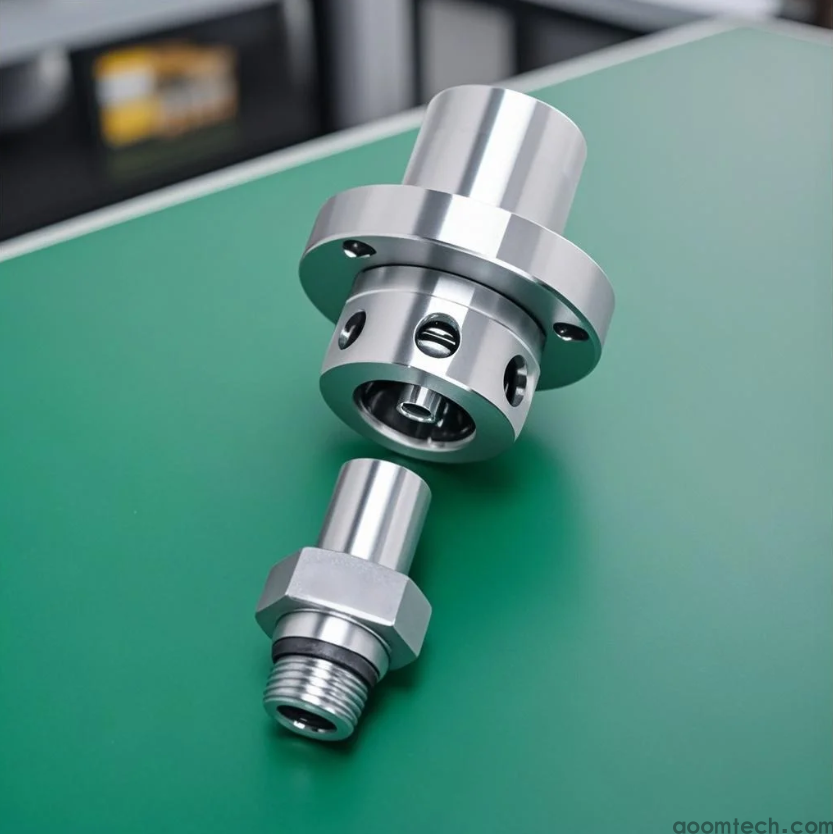
"Daha Hassas" Her Zaman Doğru Cevap mı?
İşte yüzlerce projeyi görmekten iki sentim. Mümkün olan en sıkı toleransı kovalamak genellikle bir tuzaktır. 🤯 Maliyet doğrusal olarak artmaz; bir hokey sopası gibi yükselir. Bu son .01 mm hassasiyet, parça maliyetinizi ikiye katlayabilir. Sormalısınız: What does the function of the part actually require? Sometimes, "good enough" is not just good enough—it's the smartest business decision. Perfection can be the enemy of profitability.
Bununla birlikte, havacılık veya tıbbi cihazlardaki kritik bileşenler için bu aşırı hassasiyet tartışılmaz. Ancak birçok genel uygulama için belki de fazla abartıdır. Gerçek beceri farkı bilmektir.
Deneyimlerime göre, en iyi sonuçlar bir ortaklıktan gelir. Bu sadece bir tedarikçiyi en düşük fiyat ve en yüksek hassasiyet için zorlamakla ilgili değil. Bu, net iletişim, gerçekçi beklentiler ve dengeleri anlamakla ilgili. Bütçeniz ve performans ihtiyaçlarınız konusunda açık sözlü olmanın çok daha yumuşak bir sürece ve daha iyi bir nihai ürüne yol açtığını gördüm. 🚀 Bir sonraki projeniz için düşünmeniz gereken bir şey.
 Küçük Toplu CNC İşleme Parçalarının Maliyeti Ne Kadar?
Projeniz İçin Güvenilir CNC İşleme Hizmetleri Nasıl Bulunur?
Alüminyum Parçalar İçin Güvenilir CNC İşleme Hizmetleri Nası
Küçük Toplu Çok Çeşitli CNC İşleme Hızlı Prototipleme Hizmet
Küçük Toplu CNC İşleme Parçalarının Maliyeti Ne Kadar?
Projeniz İçin Güvenilir CNC İşleme Hizmetleri Nasıl Bulunur?
Alüminyum Parçalar İçin Güvenilir CNC İşleme Hizmetleri Nası
Küçük Toplu Çok Çeşitli CNC İşleme Hızlı Prototipleme Hizmet