


Як запобігти викривленню м "яких матеріалів при обробці з ЧПУ: практичний посібник
Ви коли-небудь годинами розробляли ідеальну деталь із м "якого пластику, лише щоб побачити, як вона відривається від машини з ЧПУ викривленою, зігнутою або просто... Неправильно? ? Ви не самотні. Це розчарування втрати часу і матеріалу є головним болем номер один при обробці м 'яких матеріалів, таких як нейлон, Делрін, або навіть деякі м' які метали. Але що, якщо ви могли б майже усунути його? Давайте поговоримо про реальні, практичні кроки, які ви можете зробити, щоб зберегти м 'які деталі плоскими і точними.
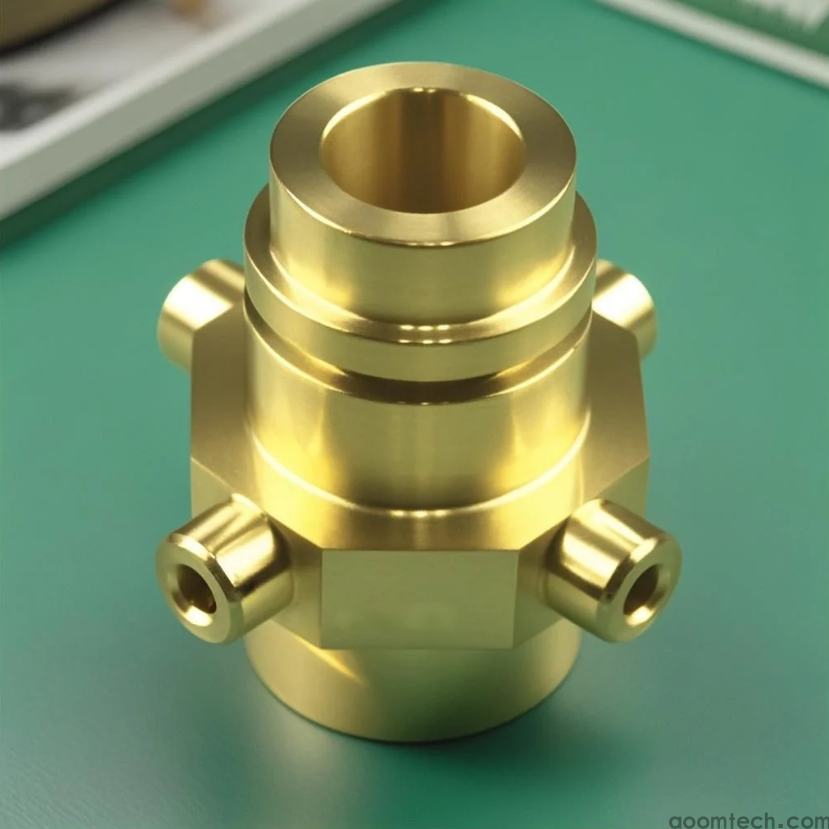
Чому м 'які матеріали деформуються під час обробки з ЧПУ?
Перш за все, ви повинні зрозуміти ворога. Викривлення - це не магія; це зазвичай про stress and heat. Think of the material like a piece of clay. When you cut into it, you're releasing internal stresses, and the tool generates heat. This combination makes the material want to move and reshape itself. It’s like the material is sighing in relief after being held tight for so long, but in a way that ruins your part. While this proves heat is a major factor, the material's own internal structure plays a huge role too.
5 найкращих способів зберегти м "які деталі рівними
Гаразд, давайте перейдемо до рішень. Йдеться не про один магічний фокус, а про поєднання хороших звичок.
1. Приборкайте тепло за допомогою гострих інструментів та розумних каналів
Це правило номер один. Тупий інструмент натирає замість порізів, генеруючи масивне тепло. Завжди використовуйте razor-sharp tools specifically designed for plastics or soft materials. Then, play with your speed and feed settings. Sometimes, a faster cut spends less time heating the material. Other times, a slower, steadier cut is better. You'll need to test a bit.
2. Опануйте мистецтво роботи
Як ви тримаєте деталь - це все. Якщо ви занадто сильно затискаєте його, ви напружуєтесь перед тим, як почати різати. Коли ви відпускаєте затискачі, pop! – it springs back. Vacuum tables are fantastic because they distribute force evenly. If you're using clamps, be gentle and strategic about their placement.
3. Вибір "Climb Milling" проти "Звичайного фрезерування"
Для більшості м 'яких матеріалів, climb milling is your friend. In this style, the cutting tooth enters the material at its thickest point and exits at the thin, finished surface. This can help reduce heat and gives a cleaner finish. Conventional milling does the opposite and can sometimes lift the part, encouraging warping.
4. Не будь героєм: візьми кілька легких пасів
Спроба видалити весь матеріал одним глибоким, героїчним зрізом - це вірний спосіб накопичити тепло і стрес. Натомість візьміть multiple lighter passes. This gives the material a chance to cool slightly and reduces the overall force acting on it. It's slower, but you'll actually finish the job with a part that's usable.
5. Нехай охолоне і розслабитися (Полегшення стресу!)
Іноді сам матеріал відчуває внутрішній стрес від того, як він був виготовлений. Якщо ви працюєте з відомим порушником проблем, ви можете спробувати annealing it yourself before machining. This is basically a controlled heating and cooling process to relax the material. It's an extra step, but for critical parts, it can be a game-changer. However, this might not be practical for every project.
Моя особиста думка: це діалог із матеріалом
Після багатьох років цього я перестав сприймати це як просто передачу команд машині. Це більше схоже на dialogue with the material. You make a cut, you see how it responds. You adjust. The goal isn't to force the material into submission, but to guide it gently to its final shape. Paying attention to the sound of the cut, the look of the chips, and even the smell can tell you a lot about whether you're winning the war on warping.
Тож, хоча наведені вище технічні кроки - це ваша дорожня карта, не забудьте послухати. Це може бути найпотужнішим інструментом у вашій майстерні.
Боротися з конкретним матеріалом чи надскладною частиною? Іноді потрібна друга думка. Our technical team is ready to help you troubleshoot your design and machining strategy. ? [Contact Our Experts Today]
 Як запобігти викривленню м "яких матеріалів при обробці з ЧП
Як вибрати надійну послугу обробки з ЧПУ: практичний посібни
Як вибрати надійного повністю автоматичного постачальника об
Як знайти надійного партнера для високоточної блистерної алю
Як запобігти викривленню м "яких матеріалів при обробці з ЧП
Як вибрати надійну послугу обробки з ЧПУ: практичний посібни
Як вибрати надійного повністю автоматичного постачальника об
Як знайти надійного партнера для високоточної блистерної алю