


Якої толерантності можна досягти за допомогою обробки барів з ЧПУ? Практичний посібник
Привіт, колеги інженери та професіонали з закупівель! ? Ви коли-небудь дивилися на технічний креслення, задаючись питанням, чи може ваш постачальник механічної обробки штанг з ЧПУ actually hit those tiny tolerance numbers? You're not alone. I've been in those meetings where everyone nods, but deep down, there's that nagging question: "What's realistically achievable?" Let's cut through the marketing fluff and talk real numbers. ?
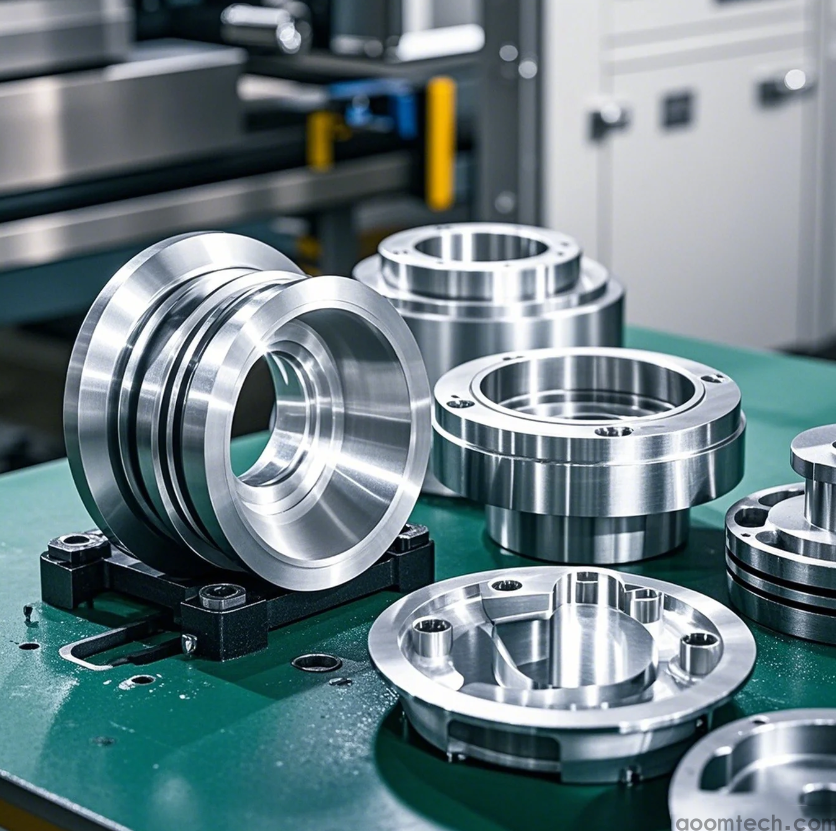
Отже, яка справжня угода з точністю обробки штанги з ЧПУ?
Перш за все, давайте відповімо на велике питання. Для більшості стандартних робочих місць з механічної обробки барів з ЧПУ ви, як правило, можете розраховувати на дотримання допусків навколо ±.025 mm to ±.05 mm (±.001" to ±.002"). That's about the thickness of a human hair! But—and this is a big but—this isn't a guarantee for every single part. It depends on a whole bunch of factors that we'll dig into next. I've seen shops consistently hit these numbers on aluminum and brass, but when it comes to some tricky plastics or super-alloys, the story can change.
Які фактори насправді плутаються з вашою точністю обробки?
Це ніколи не стосується лише машини. Ось звичайні підозрювані, які можуть поставити або порушити ваші цілі толерантності:
✅ The Material Itself: Some materials are just easier to work with. Aluminum is pretty forgiving and stable, making it a dream for tight tolerances. But something like stainless steel? It can be a bit of a diva, moving around with heat and stress. The exact way different alloys behave under the cutting tool is something I'm still wrapping my head around.
✅ Machine Condition and Age: A brand-new, high-end Swiss-type lathe is a precision beast. An older, worn-out machine might struggle. It's that simple.
✅ The Length of the Part: This is a big one that often gets overlooked. Trying to hold a tight tolerance on a long, skinny bar? That's much harder than on a short, stubby part. Vibration and deflection become your enemies.
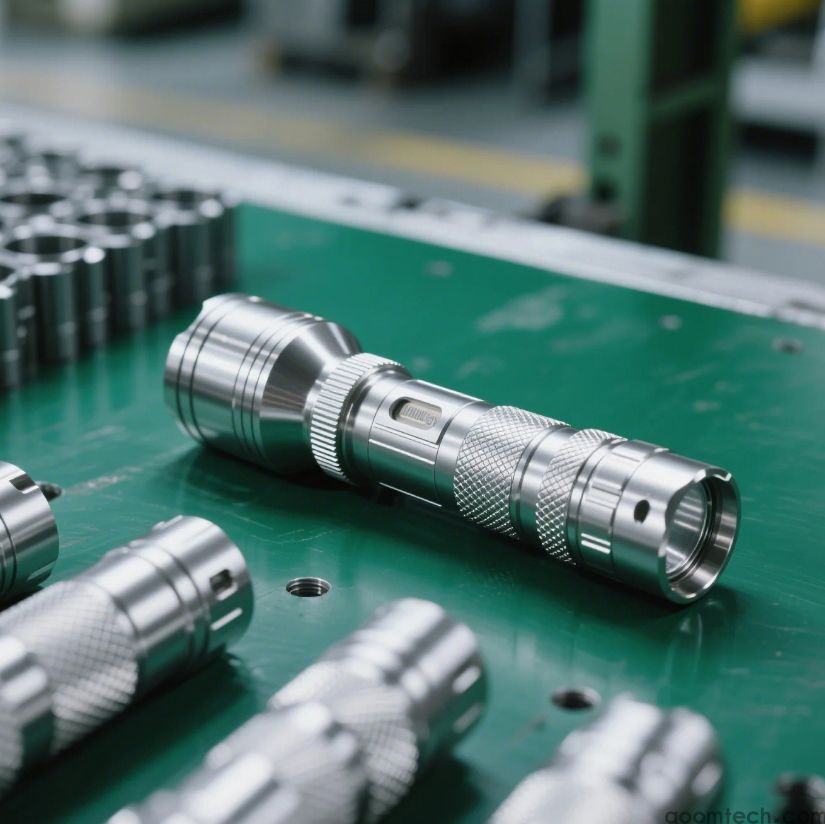
Як ви можете допомогти своєму постачальнику досягти цих жорсткіших допусків?
Вірте чи ні, але вам теж потрібно зіграти свою роль! Ось як ви можете налаштувати свій проект на успіх:
? Be Smart with Your Tolerances: Don't just call out super tight tolerances everywhere on the drawing. I always ask my team, "Does this surface really need to be that precise?" Only apply tight tolerances to critical features. This saves cost and headache.
? Talk to Your Machinist Early: Get their input during the design phase. They might suggest a small change that makes the part much easier and cheaper to machine accurately.
? Choose the Right Material: If high precision is your goal, maybe an aluminum grade is a better bet than that specific stainless steel you had in mind. Discuss the options.
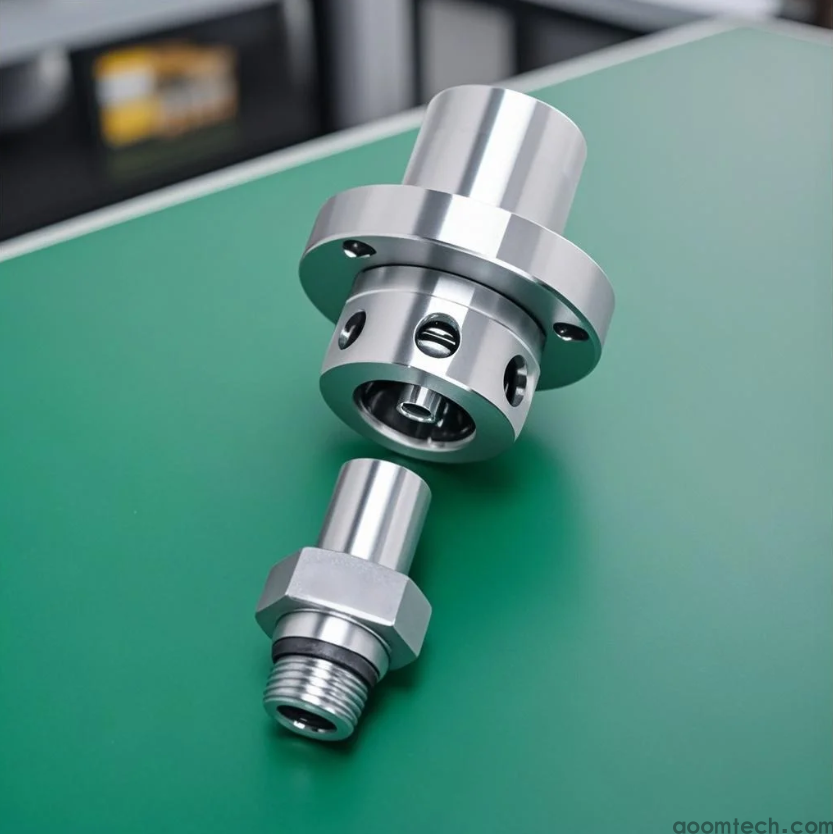
Чи завжди правильна відповідь "Більш точна"?
Ось мої два центи від перегляду сотень проектів. Погоня за абсолютним найжорсткішим допуском часто є пасткою. ? Вартість не збільшується лінійно; вона піднімається, як хокейна ключка. Ця остання точність .01 мм може подвоїти вартість вашої частини. Ви повинні запитати: What does the function of the part actually require? Sometimes, "good enough" is not just good enough—it's the smartest business decision. Perfection can be the enemy of profitability.
Тим не менш, для критичних компонентів в аерокосмічній промисловості або медичних пристроїв ця надзвичайна точність не підлягає обговоренню. Але для багатьох загальних застосувань, можливо, це надмірне. Справжня майстерність полягає у знанні різниці.
З мого досвіду, найкращі результати приходять від партнерства. Йдеться не лише про те, щоб підштовхнути постачальника до найнижчої ціни та найвищої точності. Йдеться про чітке спілкування, реалістичні очікування та розуміння компромісів. Я виявив, що заздалегідь про ваш бюджет та потреби в продуктивності призводить до набагато більш плавного процесу та кращого кінцевого продукту. ? Просто щось, про що слід подумати для вашого наступного проекту.
 Як запобігти викривленню м "яких матеріалів при обробці з ЧП
Як вибрати надійну послугу обробки з ЧПУ: практичний посібни
Як вибрати надійного повністю автоматичного постачальника об
Як знайти надійного партнера для високоточної блистерної алю
Як запобігти викривленню м "яких матеріалів при обробці з ЧП
Як вибрати надійну послугу обробки з ЧПУ: практичний посібни
Як вибрати надійного повністю автоматичного постачальника об
Як знайти надійного партнера для високоточної блистерної алю