


Làm thế nào để chọn một nhà cung cấp cho các bộ phận đồng gia công CNC
Tìm một xưởng nói rằng họ có thể chế tạo đồng thật dễ dàng. But finding the *right* partner who truly understands the quirks of copper and can deliver consistent, precision results? That's where the real challenge begins. ? If you're a procurement manager or an engineer tired of dealing with surface scratches, poor tolerances, or unreliable delivery on your copper components, you're asking the perfect question. Let's break down this selection process, step by step.
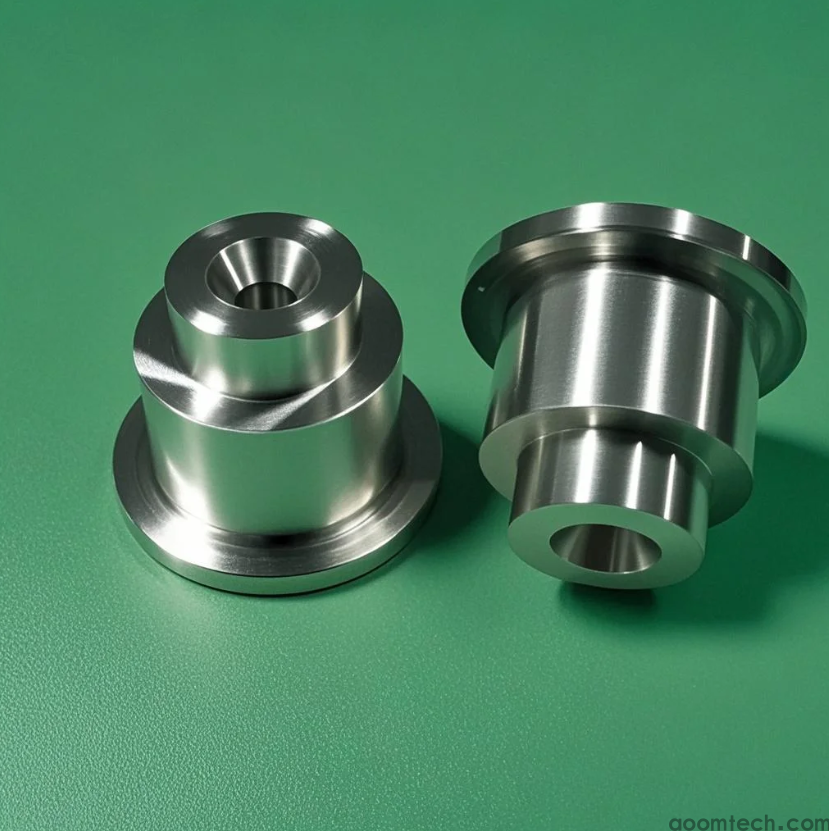
Điều đầu tiên đầu tiên: Tại sao gia công đồng rất khó khăn?
Trước khi chúng ta đi sâu vào lựa chọn, hãy hiểu "tại sao". Đồng và các hợp kim của nó (như đồng thau và đồng) là những vật liệu tuyệt vời - độ dẫn điện tuyệt vời, chống ăn mòn và khả năng gia công. However, they can be soft and gummy, which sounds good but can lead to built-up edge on tools, poor surface finish if not handled correctly, and challenges in holding tight tolerances. A supplier who treats copper like steel is a red flag. ?
Bước 1: Nhìn xa hơn danh sách máy (Đánh giá chuyên môn của họ)
Nhiều nhà cung cấp sẽ liệt kê máy CNC của họ. Đó là cơ bản. Bạn cần đào sâu hơn:
• Ask about *specific* experience with copper alloys: "How many projects have you done with C11000 electrolytic copper or C36000 brass?" Real experience matters.
• Inquire about tooling and parameters: Do they use specialized tool geometries or coatings (like diamond-like carbon) for non-ferrous metals? Their answer perhaps hints at their level of sophistication.
• Request case studies or samples: Seeing is believing. A confident supplier can show you finished parts.
Lấy của tôi: Tôi thường thấy người mua chỉ số quá mức về thương hiệu máy. Nhưng một nhà điều hành dày dạn kinh nghiệm trên một chiếc máy cũ hơn có thể vượt qua người mới làm quen với mẫu máy mới nhất khi nói đến các vật liệu khó tính như đồng.
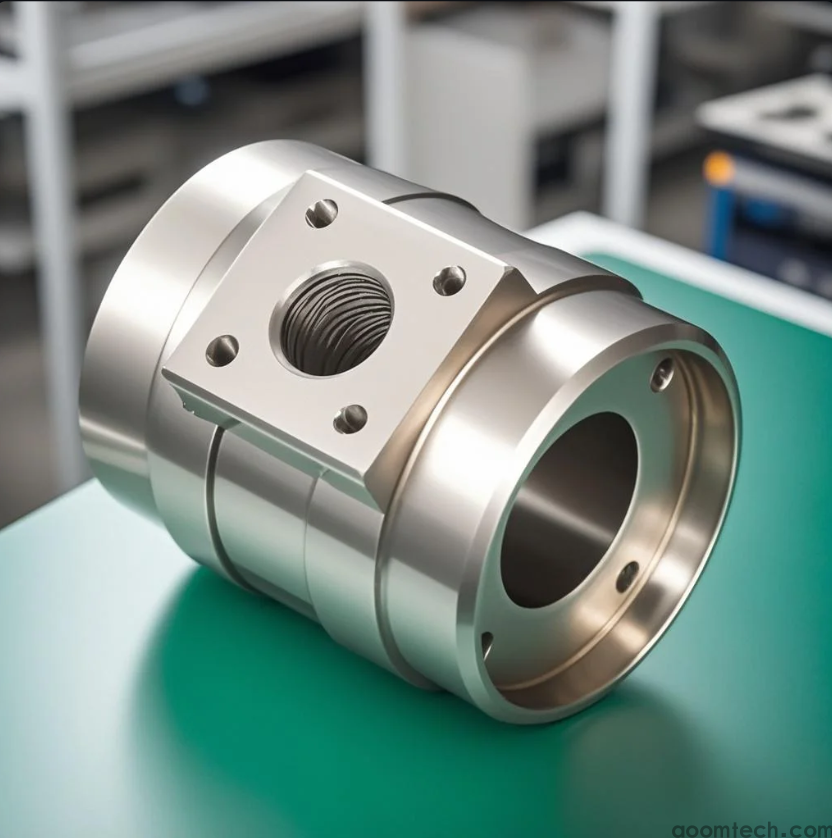
Bước 2: Kiểm tra quy trình kiểm soát chất lượng của họ
Độ chính xác là không thể thương lượng. Làm thế nào để họ đảm bảo nó?
• First-article inspection (FAI): Do they have a formal process? Will they provide you with inspection reports?
• In-process checks: For longer runs, how do they ensure part 10 is identical to part 1?
• Measurement equipment: Do they have capable tools (like micrometers, CMMs, surface profilometers) to verify the specs *you* care about?
Đây là một mẹo chuyên nghiệp: Hỏi họ, "What's the most common quality issue you encounter with copper parts, and how do you prevent it?" Their response will tell you volumes about their problem-solving mindset.
Bước 3: Truyền thông và Dịch vụ - Thực hiện hoặc Phá vỡ
Đây có thể là bước quan trọng nhất. Một phần hoàn hảo được giao muộn là vô ích. Một vấn đề nhỏ không thể truyền đạt rõ ràng trở thành một vấn đề lớn.
• Responsiveness: Do they answer technical questions clearly and promptly?
• Transparency on challenges: If there's a design for manufacturability (DFM) issue, will they speak up early, or just quote and hope for the best?
• Willingness to collaborate: Are they a true partner for prototyping and refining the design?
Quan điểm cá nhân: Tôi sẽ chọn một nhà cung cấp đắt hơn một chút với giao tiếp hoàn hảo hơn một nhà cung cấp rẻ hơn, im lặng bất cứ ngày nào. Chi phí ẩn của thông tin sai lệch là rất lớn. but speaking of which..., you need to balance cost with all these factors.
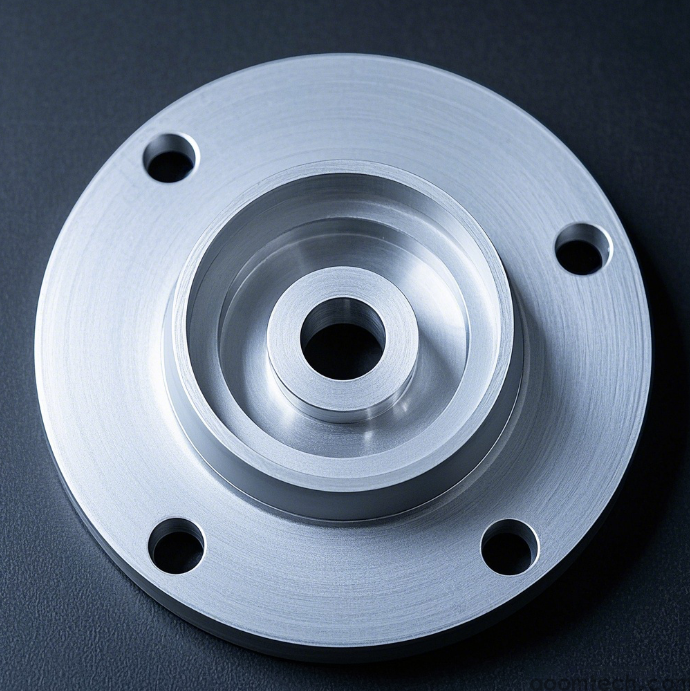
Bước 4: Đừng biến giá thành câu hỏi đầu tiên
Tất cả chúng ta đều có ngân sách. Nhưng dẫn đầu với "bao nhiêu mỗi mảnh?" đặt bạn vào một tư duy hàng hóa. Đầu tiên, thiết lập chúng có khả năng kỹ thuật và phù hợp (Bước 1-3). Then, discuss pricing. A detailed RFQ with clear drawings, material specs, quantities, and tolerance requirements will get you comparable quotes. Be wary of the quote that's drastically lower than others—it often means a compromise somewhere.
Vì vậy, những gì bây giờ? Bạn đã có một khuôn khổ. Động thái tiếp theo là bắt đầu cuộc trò chuyện với các đối tác tiềm năng. Khi bạn đã sẵn sàng thảo luận về dự án phần đồng cụ thể của mình với một nhà cung cấp nhận được nó, con đường rõ ràng nhất là liên hệ trực tiếp. ? Have your drawings ready and start a conversation with our technical team today. We're here to help you navigate from prototype to production, smoothly.
 Những yếu tố nào ảnh hưởng đến báo giá gia công CNC?
Làm thế nào để một nhà máy gia công CNC có độ chính xác cao
Làm thế nào là giá được tính cho tùy chỉnh gia công CNC khôn
Cách tính chi phí gia công CNC
Những yếu tố nào ảnh hưởng đến báo giá gia công CNC?
Làm thế nào để một nhà máy gia công CNC có độ chính xác cao
Làm thế nào là giá được tính cho tùy chỉnh gia công CNC khôn
Cách tính chi phí gia công CNC